
S.T.O.R.I.E.S.

Historical Timeline

Sequential Timeline of Racist Incidents, Events, and Sites

1919
1919
cultural violence

Dyer County Massacre

During the Red Summer of 1919, a white mob in Dyer County, Tennessee, killed multiple African Americans after a Black man was accused of killing a white man [12]. The massacre led to the burning of Black homes and businesses, forcing many …

Dyer, Tennessee, TN
African American Racial violence
Read more about this entry
During the Red Summer of 1919, a white mob in Dyer County, Tennessee, killed multiple African Americans after a Black man was accused of killing a white man [12]. The massacre led to the burning of Black homes and businesses, forcing many Black residents to flee the county [12]. It exemplifies the widespread racial violence against Black communities in the South during 1919 [12].

1919
institutional cultural violence

Elaine Massacre

During the Red Summer of 1919, a white mob and federal troops killed hundreds of African American sharecroppers in Elaine who were attempting to organize a farmers' union [12]. The massacre remains one of the largest incidents of racial violence in U.S. …

Elaine, Arkansas, AR
African American Labor Racial violence
Read more about this entry
During the Red Summer of 1919, a white mob and federal troops killed hundreds of African American sharecroppers in Elaine who were attempting to organize a farmers' union [12]. The massacre remains one of the largest incidents of racial violence in U.S. history, with estimates of Black deaths ranging from 100 to over 240, while only five whites died [12]. It was fueled by fears of Black economic independence and political organization [12].
1919
cultural violence

Elaine Massacre

White mobs attacked Black sharecroppers in Helena, Arkansas, in September 1919, resulting in one of the deadliest racial massacres in U.S. history[11]. Estimates of Black deaths range from 100 to over 200, while five white men were killed[11]. The violence was triggered …

Elaine, Arkansas, AR
African American Racial violence
Read more about this entry
White mobs attacked Black sharecroppers in Helena, Arkansas, in September 1919, resulting in one of the deadliest racial massacres in U.S. history[11]. Estimates of Black deaths range from 100 to over 200, while five white men were killed[11]. The violence was triggered by efforts of Black farmers to organize for better pay[11].
1919
cultural violence

Elaine Massacre

The Elaine massacre of 1919 occurred when white mobs attacked Black sharecroppers in Elaine, Arkansas, who were attempting to form a union to negotiate better cotton prices. The violence resulted in the deaths of hundreds of Black people, with only a few …

Elaine, Arkansas, AR
African American Labor Racial violence
Read more about this entry
The Elaine massacre of 1919 occurred when white mobs attacked Black sharecroppers in Elaine, Arkansas, who were attempting to form a union to negotiate better cotton prices. The violence resulted in the deaths of hundreds of Black people, with only a few white deaths reported. This event stands as one of the deadliest racial massacres in U.S. history, with systematic killing of Black residents by white vigilantes and military forces.
1919
institutional cultural violence

Elaine Massacre

In the largest massacre of African Americans in U.S. history, white mobs and federal troops killed at least 100 to 240 Black residents in Elaine, Arkansas, who were attempting to form a farmers' union to negotiate better crop prices. Local white authorities …

Elaine, AR
African American Labor Racial violence
Read more about this entry
In the largest massacre of African Americans in U.S. history, white mobs and federal troops killed at least 100 to 240 Black residents in Elaine, Arkansas, who were attempting to form a farmers' union to negotiate better crop prices. Local white authorities and deputized whites attacked Black tenants, and federal soldiers killed many under orders to suppress the 'insurrection.' Over 120 Black men were arrested and falsely charged with murder, with 12 sentenced to death[1][8].
1919
institutional cultural violence

Elaine Massacre

In late September 1919, white mobs and federal troops killed hundreds of Black sharecroppers in Elaine, Arkansas, who were attempting to organize a union for fairer pay. The massacre occurred during the 'Red Summer' of racial violence and remains one of the …

Elaine, Arkansas, AR
African American Labor Racial violence
Read more about this entry
In late September 1919, white mobs and federal troops killed hundreds of Black sharecroppers in Elaine, Arkansas, who were attempting to organize a union for fairer pay. The massacre occurred during the 'Red Summer' of racial violence and remains one of the deadliest incidents of racial terror in American history [10]. Exact death tolls are disputed, but estimates range from 100 to over 240 Black victims [10].
1919
institutional cultural violence

Elaine Massacre

During the Red Summer of 1919, white mobs and federal troops killed hundreds of Black sharecroppers in the Philips County area after a dispute over labor organization[11]. Estimates of Black deaths range from 100 to more than 200, while only five white …

Elaine, Arkansas, AR
African American Labor Racial violence
Read more about this entry
During the Red Summer of 1919, white mobs and federal troops killed hundreds of Black sharecroppers in the Philips County area after a dispute over labor organization[11]. Estimates of Black deaths range from 100 to more than 200, while only five white people died, making it one of the deadliest racial massacres in U.S. history[11]. The event was largely suppressed in official records for decades but is now recognized as a major pogrom against Black farmers[11].
1919
institutional cultural violence

Elaine Massacre

During the Red Summer of 1919, white mobs and federal troops killed hundreds of Black sharecroppers in Elaine, Arkansas who were attempting to form a union to demand fair pay. Estimates of Black deaths range from 100 to 240, while only five …

Elaine, Arkansas, AR
African American Labor Racial violence
Read more about this entry
During the Red Summer of 1919, white mobs and federal troops killed hundreds of Black sharecroppers in Elaine, Arkansas who were attempting to form a union to demand fair pay. Estimates of Black deaths range from 100 to 240, while only five white people died. The massacre was one of the deadliest incidents of racial violence in U.S. history and targeted Black economic resistance.
1919
institutional cultural violence

Elaine Massacre

White mobs and federal troops killed at least 100 Black farmers who were attempting to organize a union to fight for fair compensation for their cotton. The violence occurred after a confrontation between Black farmers and white deputies, leading to a massacre …

Elaine, Arkansas, AR
African American Labor Racial violence
Read more about this entry
White mobs and federal troops killed at least 100 Black farmers who were attempting to organize a union to fight for fair compensation for their cotton. The violence occurred after a confrontation between Black farmers and white deputies, leading to a massacre that left hundreds dead in the worst racial violence of the Red Summer[8].
1919
institutional cultural violence

Elaine Massacre

During the Red Summer of 1919, a white mob and federal troops killed hundreds of Black sharecroppers in Phillips County who were organizing for better wages. Estimates range from 100 to 240 African Americans killed, with only five whites reported dead[11]. The …

Elaine, Arkansas, AR
African American Racial violence
Read more about this entry
During the Red Summer of 1919, a white mob and federal troops killed hundreds of Black sharecroppers in Phillips County who were organizing for better wages. Estimates range from 100 to 240 African Americans killed, with only five whites reported dead[11]. The massacre was one of the largest incidents of racial violence in U.S. history[11].
1919
institutional cultural violence

Elaine Massacre

White mobs killed over 200 Black sharecroppers in Helena, Arkansas, who were attempting to organize a union to demand fairer payment for cotton. Federal troops were deployed to assist the white mobs rather than protect the Black workers. The massacre remains one …

Elaine, AR
African American Labor Racial violence
Read more about this entry
White mobs killed over 200 Black sharecroppers in Helena, Arkansas, who were attempting to organize a union to demand fairer payment for cotton. Federal troops were deployed to assist the white mobs rather than protect the Black workers. The massacre remains one of the deadliest incidents of racial violence in U.S. history.
1919
institutional cultural violence

Elaine Massacre

During the 'Red Summer' of 1919, a white mob and federal troops killed hundreds of Black sharecroppers in Elaine who were attempting to organize a union. Estimates of the dead range from dozens to over 200, with most victims being Black farmers …

Elaine, Arkansas, AR
African American Labor Racial violence
Read more about this entry
During the 'Red Summer' of 1919, a white mob and federal troops killed hundreds of Black sharecroppers in Elaine who were attempting to organize a union. Estimates of the dead range from dozens to over 200, with most victims being Black farmers killed in a coordinated massacre[12].
1919
cultural violence

Elaine Massacre

In September 1919, a white mob murdered at least 100 to 240 Black farmers in Elaine, Arkansas who were attempting to form a progressive farmers' union[6]. The violence began when whites attempted to disrupt a meeting of the Progressive Farmers and Household …

Elaine, Arkansas, AR
African American Incarceration & camps Labor Racial violence
Read more about this entry
In September 1919, a white mob murdered at least 100 to 240 Black farmers in Elaine, Arkansas who were attempting to form a progressive farmers' union[6]. The violence began when whites attempted to disrupt a meeting of the Progressive Farmers and Household Union of Labor, leading to days of massacre and lynching[6]. Only five whites were convicted compared to 128 Black defendants, many of whom were imprisoned without trial[6].
1919
institutional cultural court case violence

Elaine Massacre

White mobs and federal troops killed at least 100 Black_SHARE farmers in the largest massacre of the Red Summer of 1919, after Black farmers attempted to form a progressive union to protect their economic interests. The event was followed by the wrongful …

Elaine, Arkansas, AR
African American Labor Racial violence
Read more about this entry
White mobs and federal troops killed at least 100 Black_SHARE farmers in the largest massacre of the Red Summer of 1919, after Black farmers attempted to form a progressive union to protect their economic interests. The event was followed by the wrongful conviction and execution of 12 Black men in a process later criticized by the Supreme Court[8].
1919
cultural violence

Elaine Massacre

The Elaine massacre occurred in September 1919 when white mobs attacked Black farmers in Phillips County, Arkansas, who were attempting to form a protective union. Estimates of Black deaths range from 100 to more than 240, while five whites died. The massacre …

Elaine, Arkansas, AR
African American Labor Racial violence
Read more about this entry
The Elaine massacre occurred in September 1919 when white mobs attacked Black farmers in Phillips County, Arkansas, who were attempting to form a protective union. Estimates of Black deaths range from 100 to more than 240, while five whites died. The massacre was one of the most severe incidents of racial violence in U.S. history, stemming from efforts by Black sharecroppers to secure fair compensation[2][12].
1919
cultural violence

Elaine Massacre

The Elaine massacre was one of the deadliest incidents of racial violence in American history, occurring in September 1919. White mobs attacked Black sharecroppers in Phillips County, killing hundreds of Black residents while only a few whites died. The event is documented …

Elaine, Arkansas, AR
African American Racial violence
Read more about this entry
The Elaine massacre was one of the deadliest incidents of racial violence in American history, occurring in September 1919. White mobs attacked Black sharecroppers in Phillips County, killing hundreds of Black residents while only a few whites died. The event is documented as part of the 'Red Summer' of 1919.
1919
institutional cultural violence

Elaine Massacre

During the Red Summer of 1919, white mobs and federal troops killed hundreds of Black sharecroppers in Phillips County who were organizing for better wages[11]. Estimates of deaths range from 100 to over 200, though official reports initially claimed only 5 white …

Elaine, Arkansas, AR
African American Racial violence
Read more about this entry
During the Red Summer of 1919, white mobs and federal troops killed hundreds of Black sharecroppers in Phillips County who were organizing for better wages[11]. Estimates of deaths range from 100 to over 200, though official reports initially claimed only 5 white and 28 Black deaths[11]. It is considered the deadliest racial incident in Arkansas history.
1919
institutional cultural violence

Elaine Massacre

In late September 1919, white mobs and federal troops attacked Black sharecroppers in Elaine, Arkansas, who were attempting to form a union to demand fairer payments. The massacre resulted in the deaths of hundreds of Black Americans, with official reports citing far …

Elaine, Arkansas, AR
African American Labor Racial violence
Read more about this entry
In late September 1919, white mobs and federal troops attacked Black sharecroppers in Elaine, Arkansas, who were attempting to form a union to demand fairer payments. The massacre resulted in the deaths of hundreds of Black Americans, with official reports citing far fewer casualties than historical estimates suggest.
1919
cultural violence

1919 Red Summer Anti-Black Riots

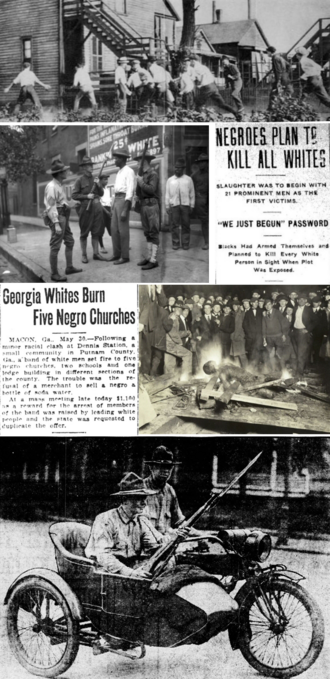
The summer of 1919, known as Red Summer, saw over 30 anti-Black riots erupt in at least 26 cities across the United States following World War I[5]. In Chicago, 38 people died and 1,000 were homeless; in Elaine, Arkansas, as many as …

Multiple cities including Chicago, Washington D.C., and Elaine, Arkansas, US
African American Labor Racial violence
Read more about this entry
The summer of 1919, known as Red Summer, saw over 30 anti-Black riots erupt in at least 26 cities across the United States following World War I[5]. In Chicago, 38 people died and 1,000 were homeless; in Elaine, Arkansas, as many as 300 Black residents were murdered in a massacre[5]. The violence was fueled by racial tension, labor competition, and white supremacist mob action[5].
1919
institutional cultural violence

1919 Elaine Massacre

One of the deadliest racial massacres in U.S. history, occurring when Black farmers attempting to organize a union were attacked by white mobs and federal troops. Estimates of Black deaths range from 100 to 240, while only 5 white deaths were confirmed. …

Elaine, Arkansas, AR
African American Labor Racial violence
Read more about this entry
One of the deadliest racial massacres in U.S. history, occurring when Black farmers attempting to organize a union were attacked by white mobs and federal troops. Estimates of Black deaths range from 100 to 240, while only 5 white deaths were confirmed. The massacre was sparked by a confrontation during a union meeting and resulted in widespread lynching and extrajudicial killings.
1919
cultural violence

Chicago Race Riot of 1919

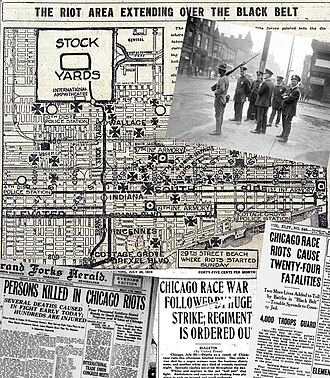
The Chicago Race Riot lasted 13 days, beginning when a Black youth was killed by a white man at a beach on South Side. It resulted in 38 deaths (23 Black, 15 white), over 500 injuries, and the destruction of 1,000 Black …

Chicago, Illinois, IL
African American Housing & redlining Racial violence
Read more about this entry
The Chicago Race Riot lasted 13 days, beginning when a Black youth was killed by a white man at a beach on South Side. It resulted in 38 deaths (23 Black, 15 white), over 500 injuries, and the destruction of 1,000 Black homes, primarily in the Bronzeville neighborhood[2]. The riot was fueled by tensions over housing, employment, and racial boundary violations in a rapidly growing industrial city.
1917
1917
institutional discrimination

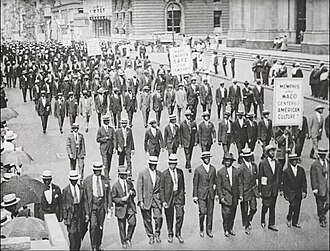
Silent Parade Against Lynching

Nearly 10,000 African Americans and supporters marched silently down Fifth Avenue on July 28, organized by the NAACP to protest lynching, race riots, and rights denial [6]. It was the first major public protest by Black Americans in New York City [6].

New York, New York, NY
African American Civil rights movement Racial violence
Read more about this entry
Nearly 10,000 African Americans and supporters marched silently down Fifth Avenue on July 28, organized by the NAACP to protest lynching, race riots, and rights denial [6]. It was the first major public protest by Black Americans in New York City [6].
1916
1916
institutional discrimination

Great Migration Begins

The Great Migration began as millions of African Americans moved from the rural South to urban centers in the North and Midwest, seeking freedom from Jim Crow violence and economic opportunity [3]. This migration reshaped American demographics and laid the groundwork for …

Chicago, Detroit, New York City, US
African American Civil rights movement Jim Crow
Read more about this entry
The Great Migration began as millions of African Americans moved from the rural South to urban centers in the North and Midwest, seeking freedom from Jim Crow violence and economic opportunity [3]. This migration reshaped American demographics and laid the groundwork for future civil rights movements [3].
1915
1915
institutional court case discrimination

Guinn & Beal v. United States

The Supreme Court struck down an Oklahoma 'grandfather clause' that exempted white voters from new literacy tests while disenfranchising Black voters[5]. The Court held that such clauses violated the Fifteenth Amendment by creating a racial barrier to voting[5]. This decision was one …

Oklahoma, OK
African American Jim Crow Voting rights
Read more about this entry
The Supreme Court struck down an Oklahoma 'grandfather clause' that exempted white voters from new literacy tests while disenfranchising Black voters[5]. The Court held that such clauses violated the Fifteenth Amendment by creating a racial barrier to voting[5]. This decision was one of the first federal court rulings to combat racial voting restrictions in the South[5].