From 1981 to 1997, the USDA discriminated against tens of thousands of Black American farmers by denying loans provided to white farmers in similar circumstances [3]. This systemic discrimination was the subject of the *Pigford v. Glickman* lawsuit, which resulted in a …
📍Washington, DC, DC
👤African AmericanJim Crow
Read more about this entry
From 1981 to 1997, the USDA discriminated against tens of thousands of Black American farmers by denying loans provided to white farmers in similar circumstances [3]. This systemic discrimination was the subject of the *Pigford v. Glickman* lawsuit, which resulted in a $1.06 billion settlement agreement in 1999 for Black farmers [3]. The case represents a major, documented instance of federal agricultural policy racism against Black Americans.
Amadou Diallo, an unarmed Black man from Guinea, was shot 41 times by four NYPD officers who mistakenly believed he was reaching for a gun. The officers were initially charged with murder but acquitted in 2000, sparking massive protests and accusations of …
📍New York, NY, NY
👤African AmericanPolicingRacial violence
Read more about this entry
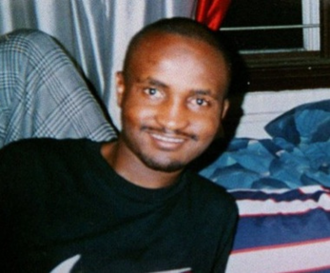
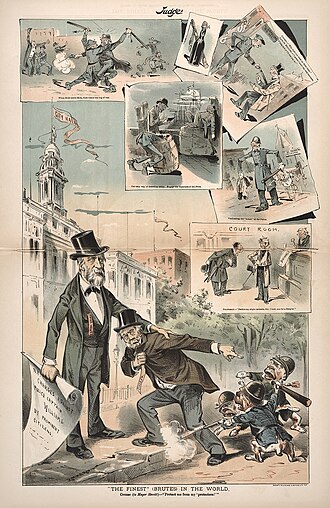
Amadou Diallo, an unarmed Black man from Guinea, was shot 41 times by four NYPD officers who mistakenly believed he was reaching for a gun. The officers were initially charged with murder but acquitted in 2000, sparking massive protests and accusations of racial bias in the justice system. The case became a symbol of police brutality and the need for reform in New York City's policing practices.
Over 100,000 people gathered in New York City to protest police brutality after the killing of Amadou Diallo, an unarmed Black man shot 41 times by NYPD officers. The march, organized by community groups and civil rights organizations, demanded accountability for police …
📍New York, NY, NY
👤African AmericanCivil rights movementPolicing
Read more about this entry
Over 100,000 people gathered in New York City to protest police brutality after the killing of Amadou Diallo, an unarmed Black man shot 41 times by NYPD officers. The march, organized by community groups and civil rights organizations, demanded accountability for police violence and racial justice. It became one of the largest anti-police brutality demonstrations in U.S. history before the George Floyd protests.
A comprehensive NYPD survey revealed that Black and Latino men were stopped, questioned, and frisked at rates 5 to 10 times higher than white men, despite similar crime rates. The data showed that 87% of those stopped were Black or Latino, while …
📍New York, NY, NY
👤African AmericanJim CrowLatinoPolicing
Read more about this entry
A comprehensive NYPD survey revealed that Black and Latino men were stopped, questioned, and frisked at rates 5 to 10 times higher than white men, despite similar crime rates. The data showed that 87% of those stopped were Black or Latino, while only 13% were white. The findings exposed systemic racial bias in police stop-and-frisk practices, fueling demands for reform and accountability.
California voters approved Proposition 209 in 1996, amending the state constitution to ban all forms of affirmative action in public employment, education, and contracting [6]. The measure declared that the state shall not discriminate against or grant preferential treatment to any individual …
📍Sacramento, CA, CA
👤Voting rights
Read more about this entry
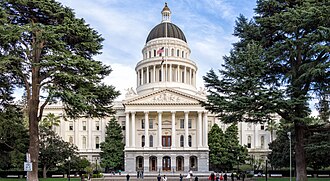
California voters approved Proposition 209 in 1996, amending the state constitution to ban all forms of affirmative action in public employment, education, and contracting [6]. The measure declared that the state shall not discriminate against or grant preferential treatment to any individual or group based on race, sex, color, ethnicity, or national origin [6]. This was one of the most significant affirmative action fights of the era, effectively ending race-based diversity programs in California's public sector.
The University of Wisconsin-Madison was found to have systematically discriminated against Black students and faculty through inadequate funding, limited recruitment, and hostile campus environments. A federal investigation revealed the university failed to meet affirmative action commitments made in the 1970s. The settlement …
📍Madison, WI, WI
👤African AmericanEducation & schoolsJim Crow
Read more about this entry
The University of Wisconsin-Madison was found to have systematically discriminated against Black students and faculty through inadequate funding, limited recruitment, and hostile campus environments. A federal investigation revealed the university failed to meet affirmative action commitments made in the 1970s. The settlement required the university to implement comprehensive diversity reforms and establish oversight mechanisms.
California passed the Racial Justice Act, which allowed defendants to challenge criminal convictions based on evidence of racial discrimination in jury selection, policing, or sentencing. The law was a response to documented disparities in the state's criminal justice system, particularly in drug …
📍Sacramento, CA, CA
👤Policing
Read more about this entry
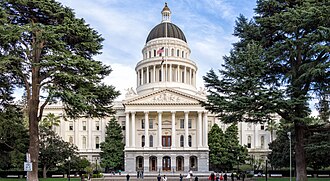
California passed the Racial Justice Act, which allowed defendants to challenge criminal convictions based on evidence of racial discrimination in jury selection, policing, or sentencing. The law was a response to documented disparities in the state's criminal justice system, particularly in drug enforcement and police brutality cases. It provided a legal mechanism for addressing systemic racism in court proceedings.
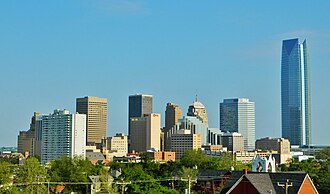
While the Oklahoma City bombing killed 168 people including 19 children, the subsequent investigation revealed that white supremacist Timothy McVeigh targeted the building for its association with Black and Latino communities. The bombing exemplified domestic terrorism driven by racial hatred and anti-government …
📍Oklahoma City, OK, OK
👤African AmericanLatinoRacial violence
Read more about this entry
While the Oklahoma City bombing killed 168 people including 19 children, the subsequent investigation revealed that white supremacist Timothy McVeigh targeted the building for its association with Black and Latino communities. The bombing exemplified domestic terrorism driven by racial hatred and anti-government extremism. The event intensified national debates about white supremacy and the need for hate crime legislation.
The Supreme Court held that all race-based discrimination, including affirmative action favoring minorities, must pass strict judicial scrutiny[3]. The Court ruled that federal contracting programs giving preference to minority-owned businesses required the same rigorous review as programs disadvantaging minorities[3]. This decision established …
📍Denver, Colorado, CO
👤Jim Crow
Read more about this entry
The Supreme Court held that all race-based discrimination, including affirmative action favoring minorities, must pass strict judicial scrutiny[3]. The Court ruled that federal contracting programs giving preference to minority-owned businesses required the same rigorous review as programs disadvantaging minorities[3]. This decision established that the Equal Protection Clause applies equally to racial preferences for and against any group[3].
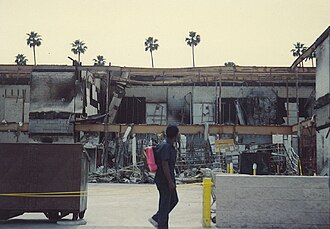
Following the grand jury's decision not to indict officers who beat Rodney King, Los Angeles erupted in six days of riots involving over 11,000 people. The uprising resulted in 53 deaths, over 2,000 injuries, and $1 billion in property damage. The riots …
📍Los Angeles, CA, CA
👤African AmericanLatinoPolicingRacial violence
Read more about this entry
Following the grand jury's decision not to indict officers who beat Rodney King, Los Angeles erupted in six days of riots involving over 11,000 people. The uprising resulted in 53 deaths, over 2,000 injuries, and $1 billion in property damage. The riots were primarily driven by Black and Latino communities frustrated by systemic police brutality and racial discrimination in the city.
Latino and Black officers brutally beat Rodney King, a Black man, after a high-speed chase, with the incident captured on video by a bystander. The video showed King receiving over 50 kicks and baton strikes while officers repeatedly shouted racial slurs. A …
Latino and Black officers brutally beat Rodney King, a Black man, after a high-speed chase, with the incident captured on video by a bystander. The video showed King receiving over 50 kicks and baton strikes while officers repeatedly shouted racial slurs. A white-dominated grand jury initially declined to indict the officers, sparking the 1992 Los Angeles riots and becoming a defining moment in the struggle against police brutality.
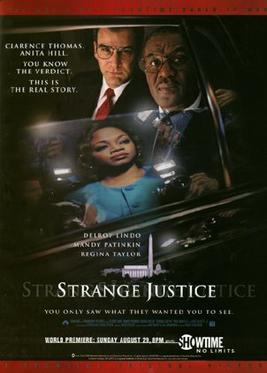
On October 15, 1991, the Senate confirmed Clarence Thomas to the U.S. Supreme Court following a contentious nomination process that included allegations of racial insensitivity and discrimination [9]. Thomas's confirmation, which came after a narrow 52-48 vote, was seen by many civil …
📍Washington, DC, DC
👤Civil rights movementVoting rights
Read more about this entry
On October 15, 1991, the Senate confirmed Clarence Thomas to the U.S. Supreme Court following a contentious nomination process that included allegations of racial insensitivity and discrimination [9]. Thomas's confirmation, which came after a narrow 52-48 vote, was seen by many civil rights leaders as a setback for racial justice, as he had previously opposed affirmative action and the Voting Rights Act [9]. His appointment altered the court's balance on racial issues for decades.
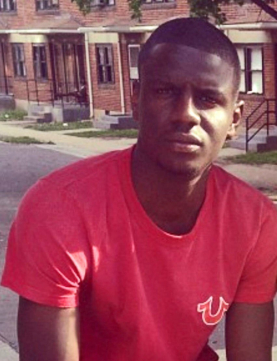
Freddie Gray, a Black man, was severely beaten by Baltimore police officers after a high-speed chase, resulting in permanent brain damage and death years later. The case became one of the earliest high-profile instances of police brutality against Black Americans that sparked …
📍Baltimore, MD, MD
👤African AmericanPolicingRacial violence
Read more about this entry
Freddie Gray, a Black man, was severely beaten by Baltimore police officers after a high-speed chase, resulting in permanent brain damage and death years later. The case became one of the earliest high-profile instances of police brutality against Black Americans that sparked national outcry and demands for accountability. It highlighted systemic patterns of excessive force in urban police departments targeting minority communities.