Resistance & repair
The archive documents harm and policy; this gallery honors people who organized, wrote, litigated, marched, and built community in the struggle against racism and for dignity. They are a small sample; additions welcome through the submission form or admin.
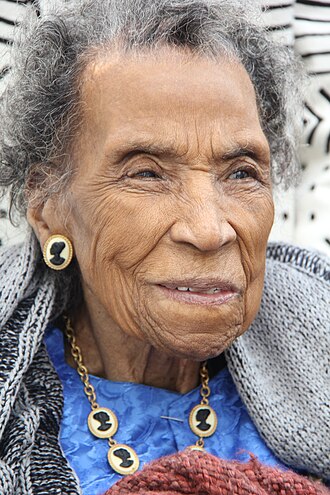
Amelia Boynton Robinson was a pivotal voting rights activist in Selma, Alabama, who invited Martin Luther King Jr. and the SCLC to the city, directly leading to the historic 1965 Selma to Montgomery march.
Read more →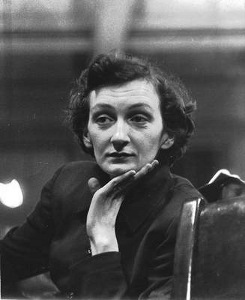
Anne McCarty Braden (1924–2006) was a White Southern journalist and community organizer from Louisville, Kentucky who resisted racism by helping a Black couple purchase a home in an all-White neighborhood in 1954[1]. She organized White Southerners …
Read more →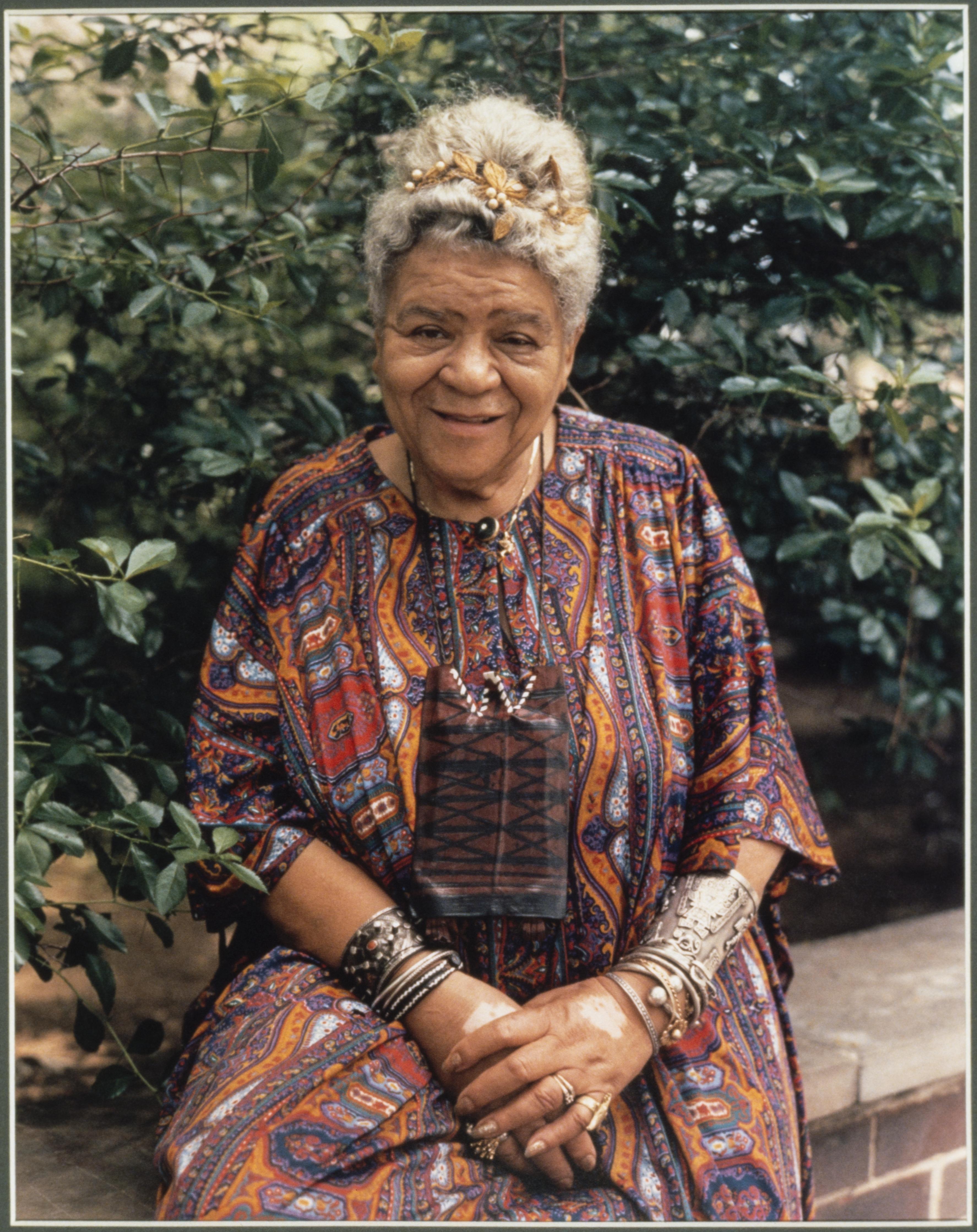
A pioneering civil rights leader in Harlem who collaborated with Marcus Garvey, advocated for Black self-determination, and later influenced the Black Power movement and reparations activism.
Read more →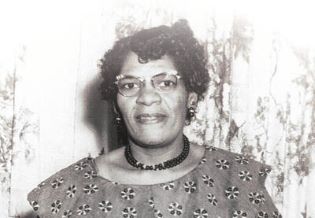
Aurelia Browder was one of the first women to refuse to give up her bus seat in Montgomery, Alabama, and served as the lead plaintiff in Browder v. Gayle, the federal case that successfully overturned bus …
Read more →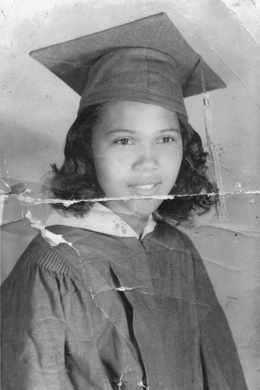
A 16-year-old student who organized a massive strike at Robert Russa Moton High School in Prince Edward County, Virginia, challenging segregation and laying groundwork for the eventual Brown v. Board of Education decision.
Read more →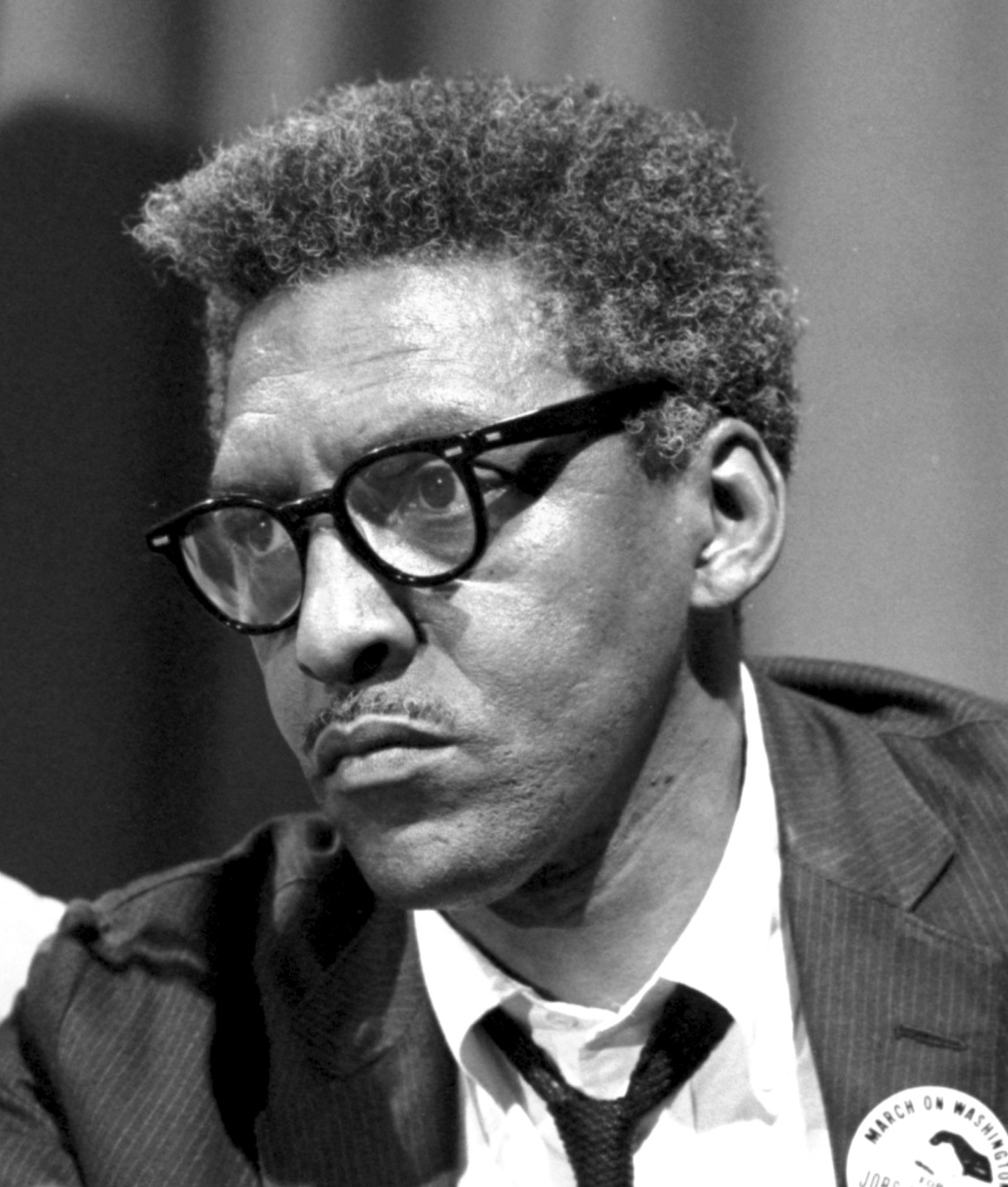
Bayard Rustin (1912–1987) was a human rights activist, strategist, and key organizer of the Civil Rights Movement who advocated for nonviolent resistance and coordinated major events like the 1963 March on Washington[1]. He resisted racism through …
Read more →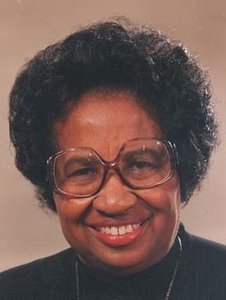
Clara Luper was a long-time Oklahoma civil rights leader whose lunch counter sit-ins helped end discrimination in public restaurants, making her the face of the Oklahoma Civil Rights Movement since the 1950s[9].
Read more →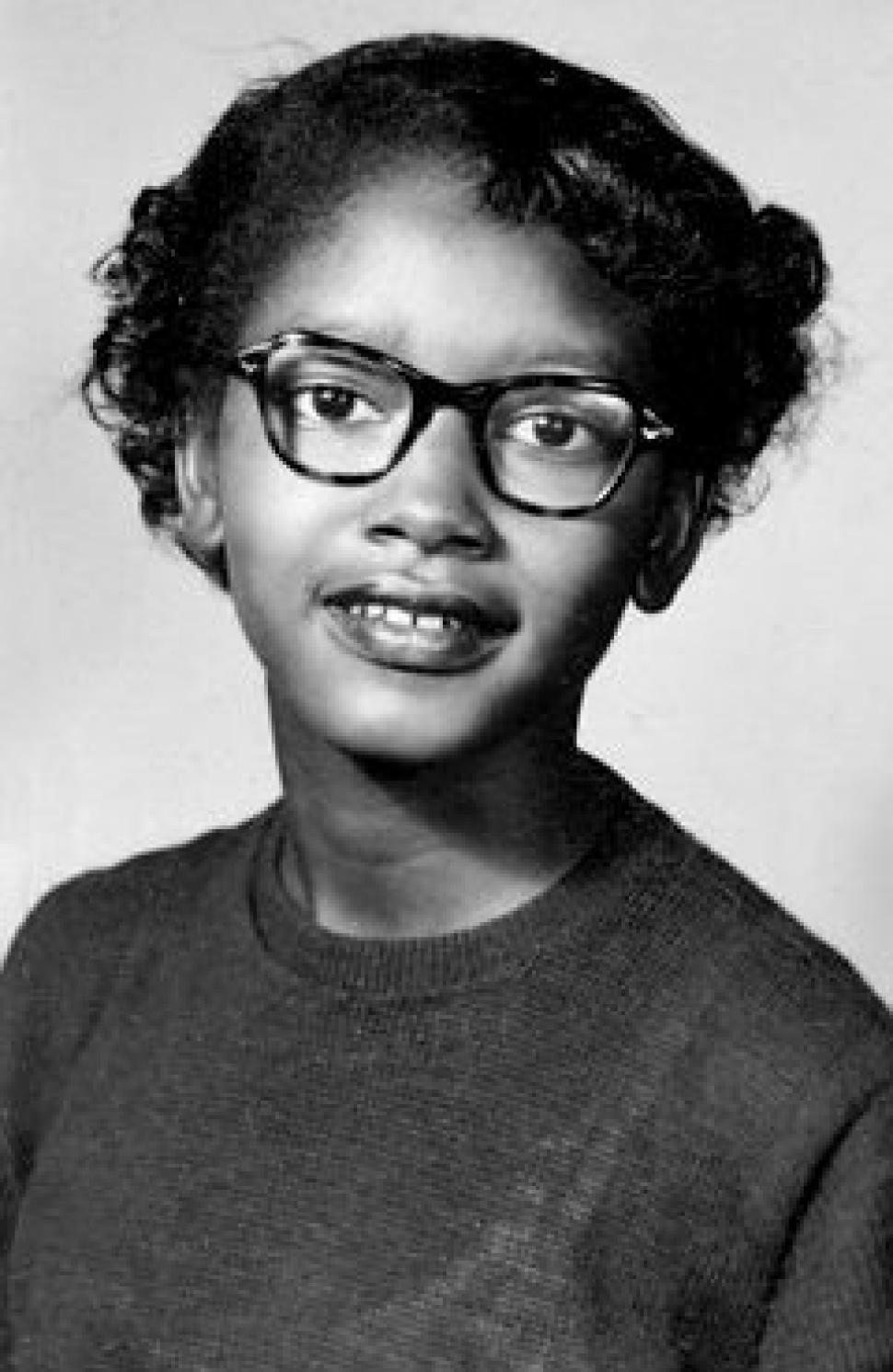
Claudette Colvin was a civil rights activist who, before Rosa Parks, refused to give up her bus seat to a white passenger on March 2, 1955, in Montgomery, Alabama[1][2]. She was arrested at age 15 and …
Read more →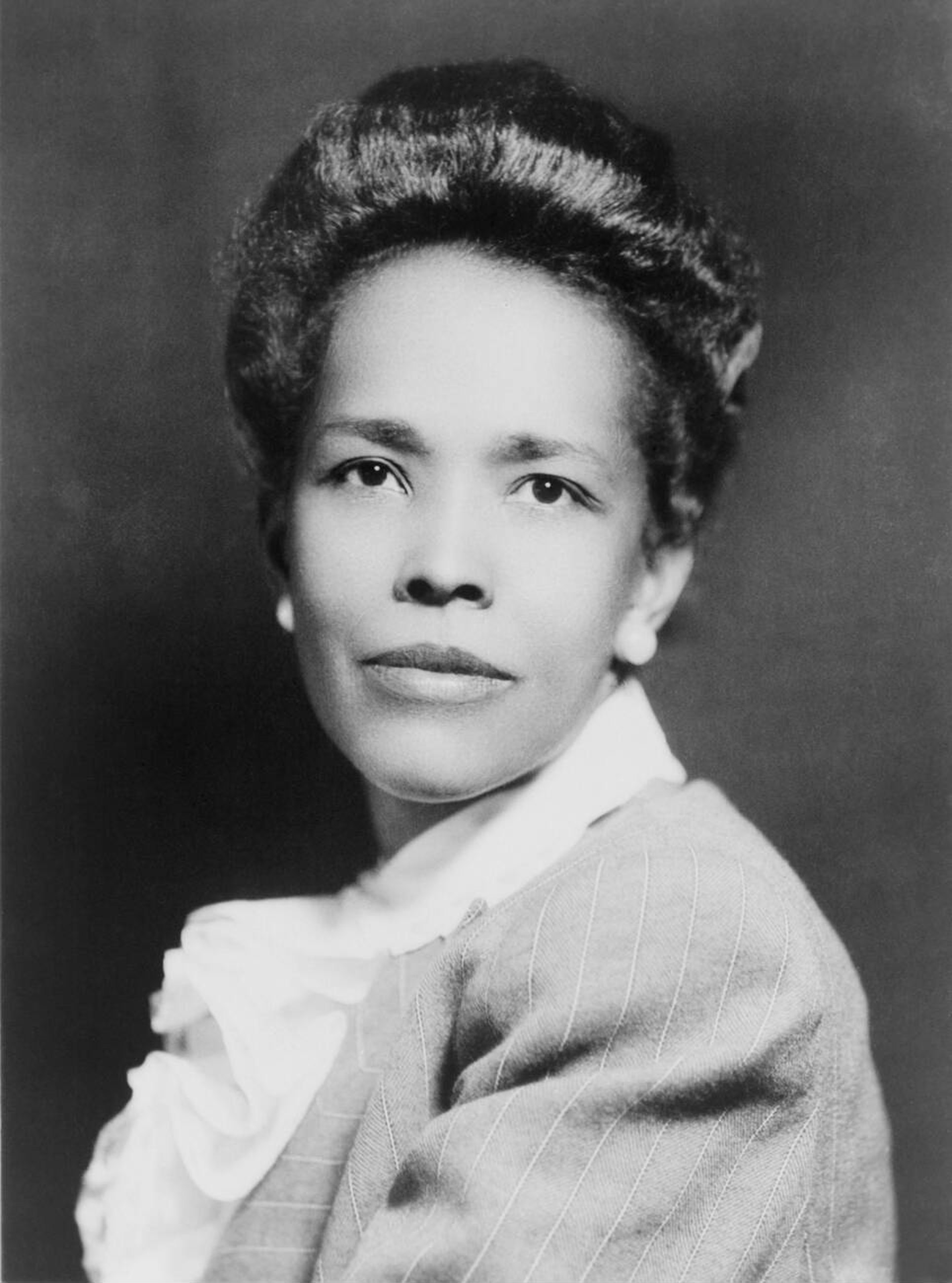
Born in Norfolk, Virginia in 1903, Ella Baker was a quiet strategist who orchestrated some of the most impactful grassroots efforts in the Civil Rights Movement, mentoring leaders and organizing local communities.
Read more →
An activist and lawyer known for her bold personality and aesthetic, Kennedy used the law to advance civil rights and gender equality, becoming a pioneering figure in intersectional justice advocacy.
Read more →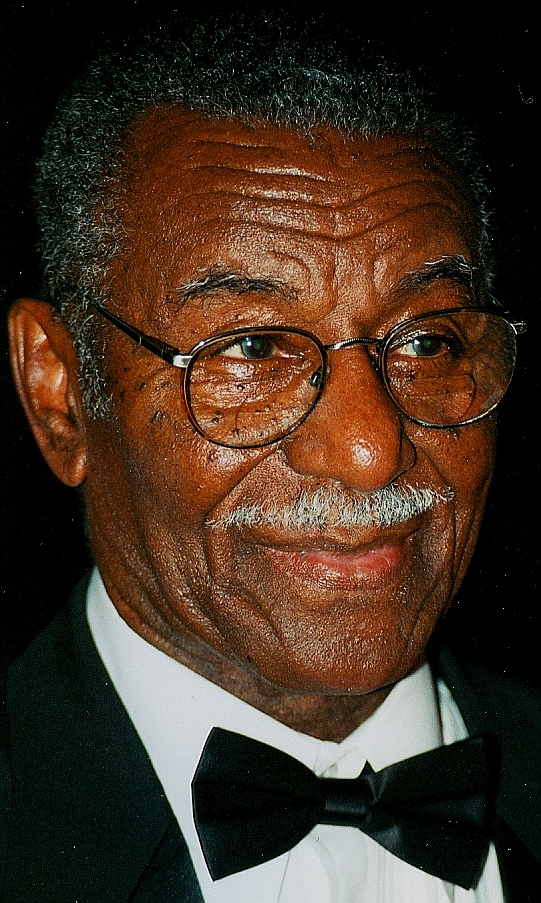
Fred Shuttlesworth was a pastor who served as president of the Alabama Christian Movement for Human Rights (ACMHR) from its founding in 1956 until 1969, leading critical civil rights campaigns in Birmingham[9].
Read more →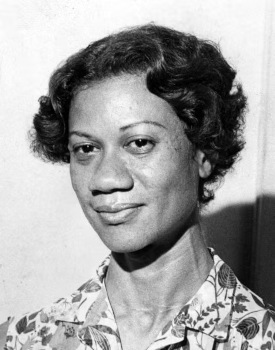
Gloria Richardson (1928–2021) was a Black activist who founded the Danville Civil Rights Committee and led a nonviolent but confrontational campaign to desegregate public facilities in Danville, Virginia, facing arrest and violence while inspiring youth involvement …
Read more →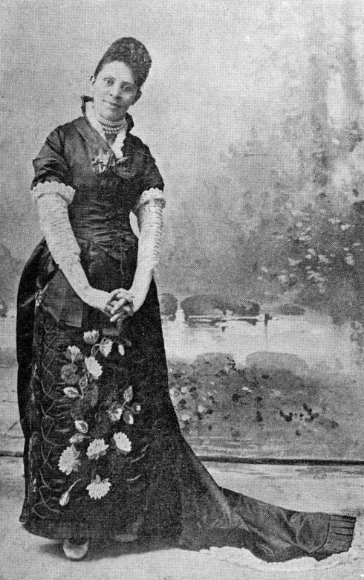
Hallie Quinn Brown (ca. 1850–1949) was a preeminent educator, elocutionist, writer, and activist who championed civil rights and suffrage for African Americans throughout the 19th and 20th centuries[1]. She was a principal promoter and organizer of …
Read more →
Joe Wilson Robinson, an early voting rights activist in Selma, asked Martin Luther King Jr. and the Southern Christian Leadership Conference to come to the city, directly resulting in the historic Selma marches that led to …
Read more →
Lillie M. Carroll Jackson led the Baltimore NAACP chapter from 1935–1970, growing it to over 17,000 members and making it the largest in the country under her leadership[4].
Read more →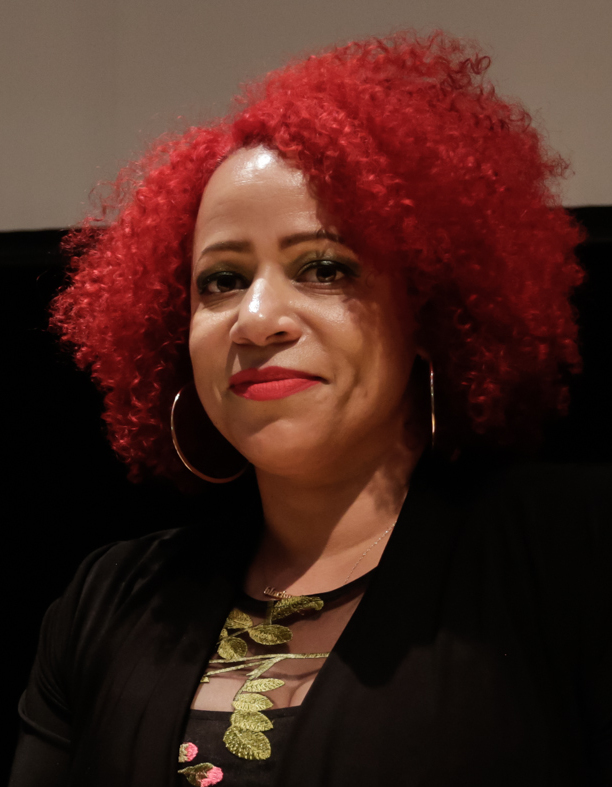
Nikole Hannah-Jones is a renowned journalist and educator known for her Pulitzer Prize-winning work on the historical legacy and effects of slavery through The 1619 Project, and for co-founding the Ida B. Wells Society for Investigative …
Read more →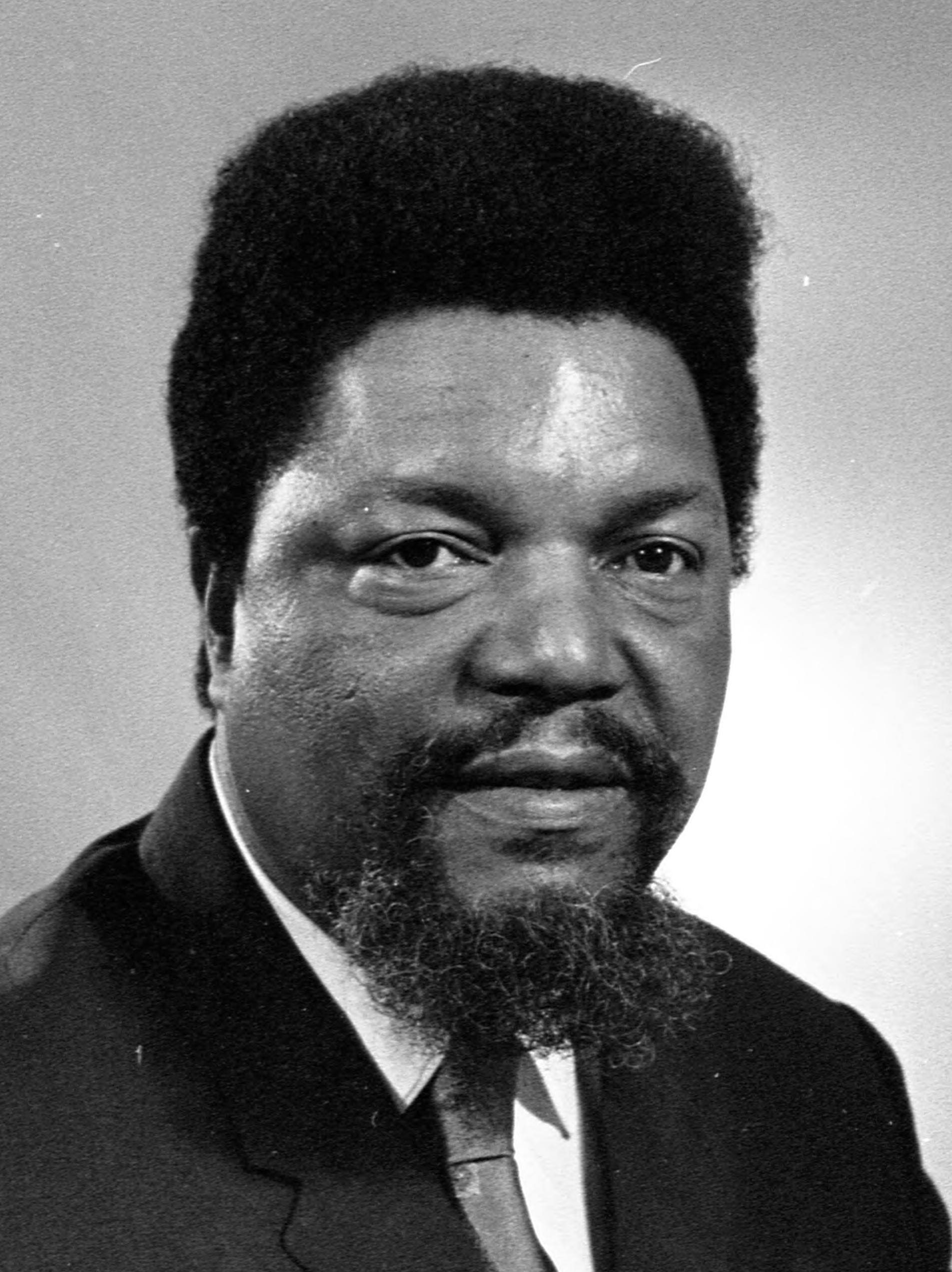
Robert F. Williams (1925–1996) was a Black journalist, lawyer, and NAACP leader who exposed racist violence in the South, challenged U.S. imperialism, and documented systemic racism through his award-winning reporting and legal activism.
Read more →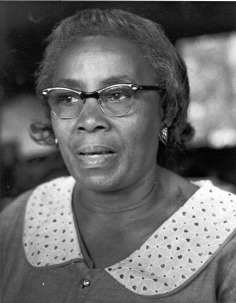
Septima Clark established Citizenship Schools across the South, training Black citizens in literacy, voting rights, and leadership, enabling mass voter registration and community organizing during the Civil Rights era.
Read more →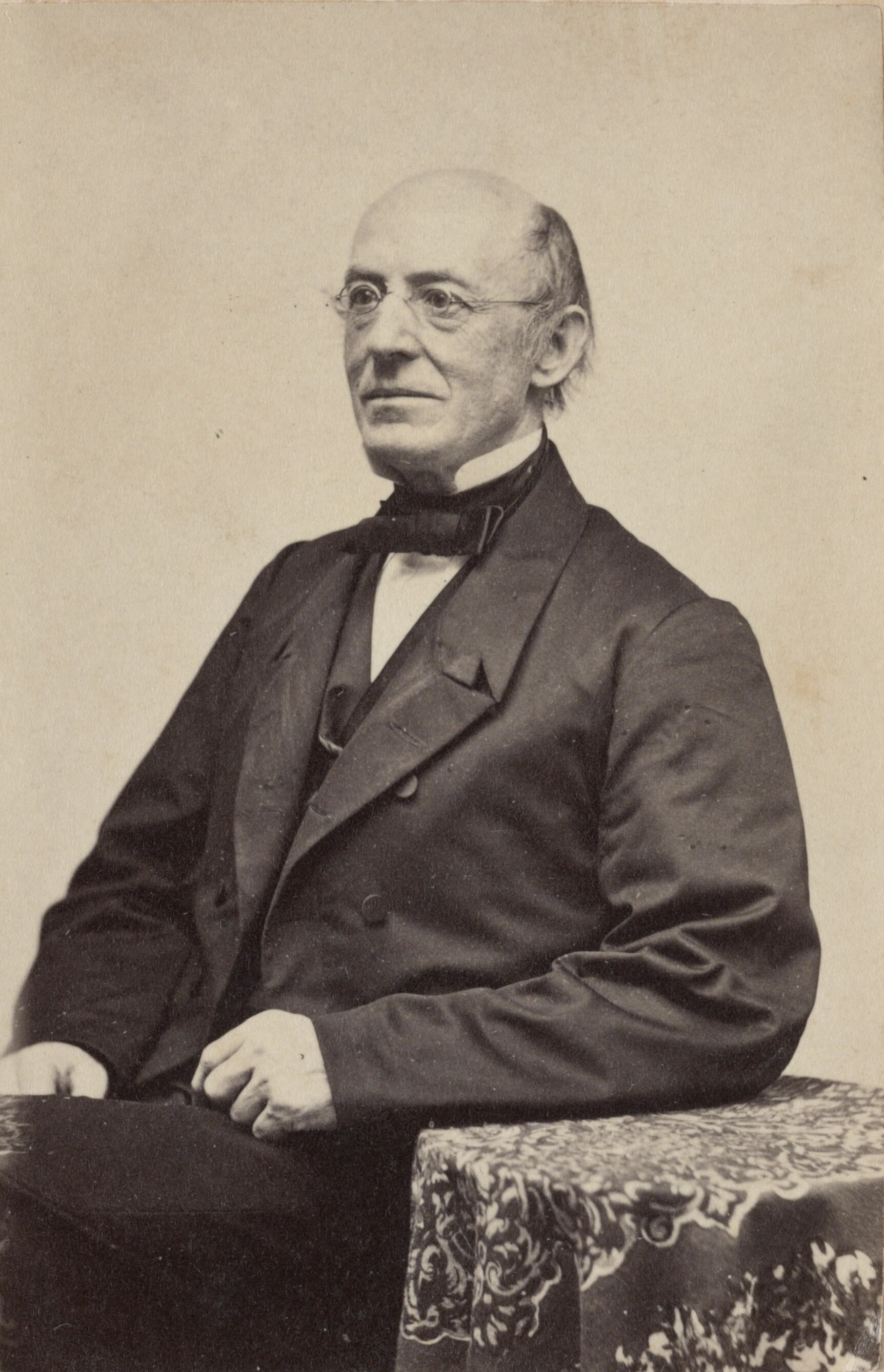
William Lloyd Garrison was a prominent American abolitionist, journalist, and social reformer who founded the anti-slavery newspaper The Liberator in 1831 and advocated for immediate, uncompensated emancipation of enslaved people.
Read more →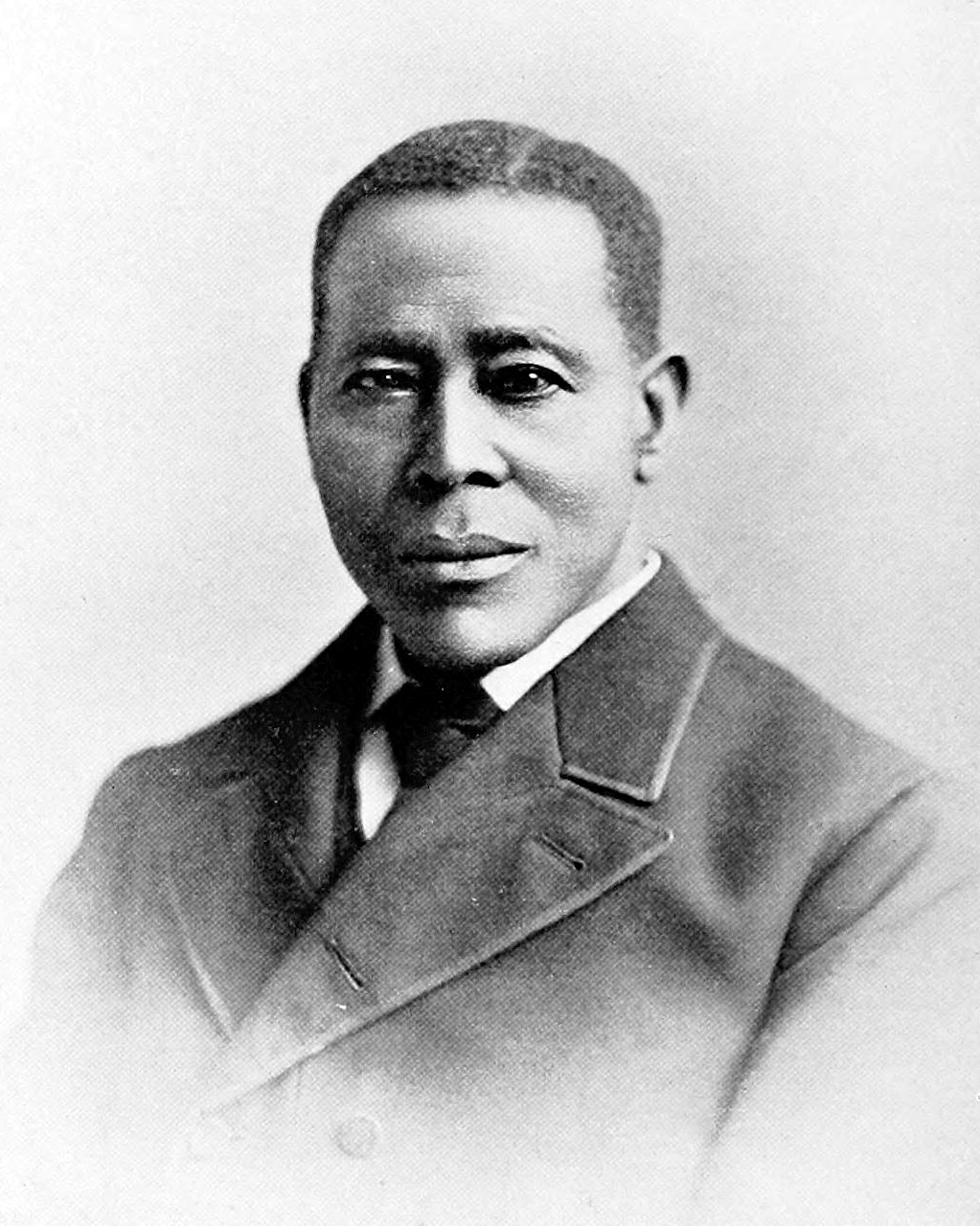
William Still (1821–1902) was a prominent businessman, abolitionist, and author who documented the experiences of enslaved people through his foundational text 'The Underground Rail Road' (1872)[1]. Born in slavery in South Carolina, he escaped to Philadelphia …
Read more →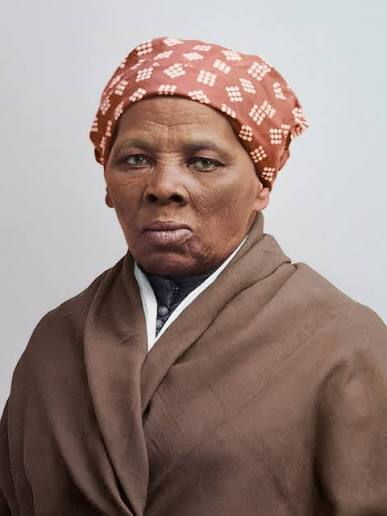
After freeing herself from slavery, Tubman returned South repeatedly to lead roughly seventy people to freedom and later served as a Union scout and nurse during the Civil War.
Read more →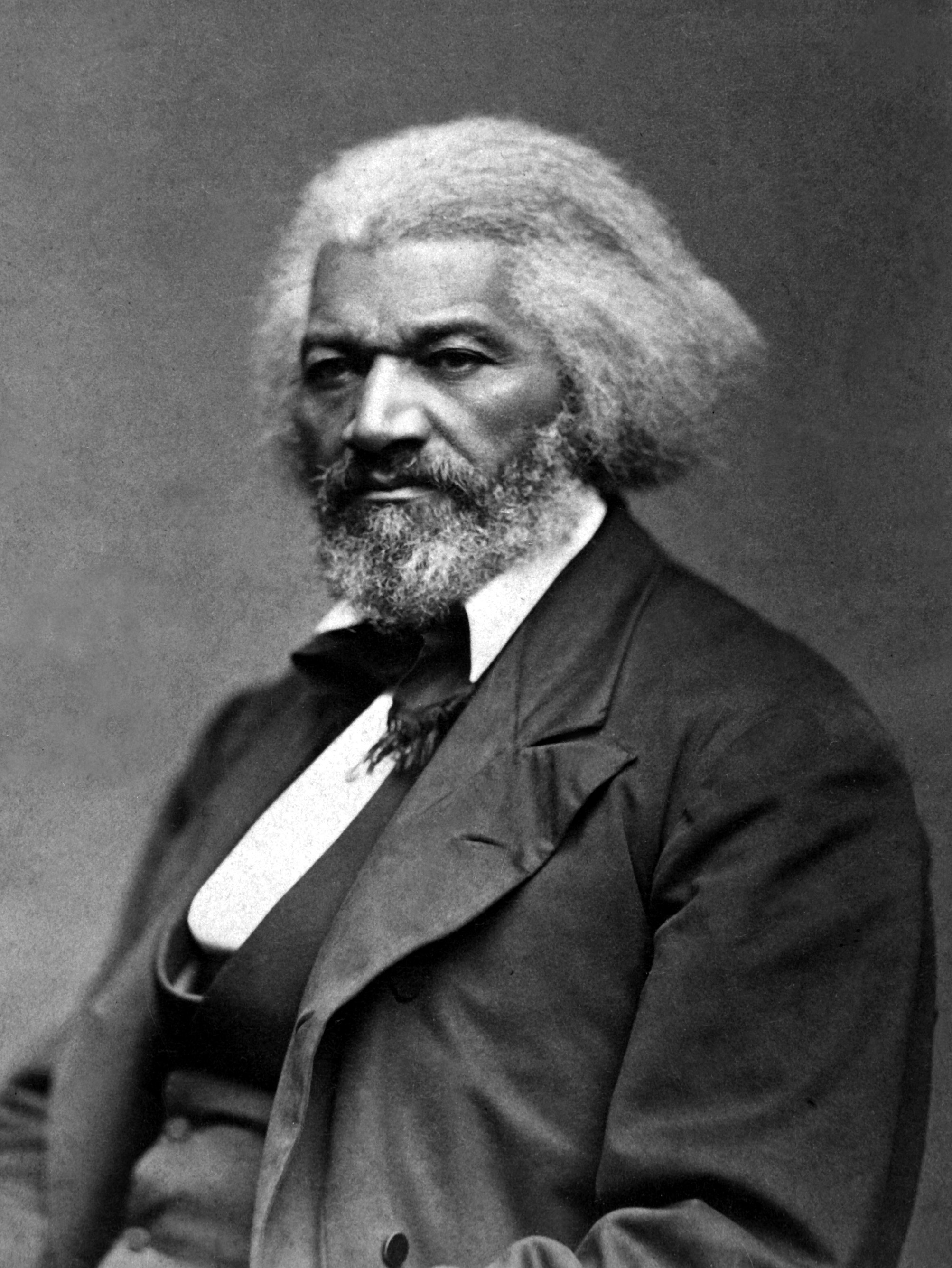
Born into slavery, Douglass became one of the most influential abolitionists of the nineteenth century through speeches, journalism, and diplomacy—including advising Lincoln.
Read more →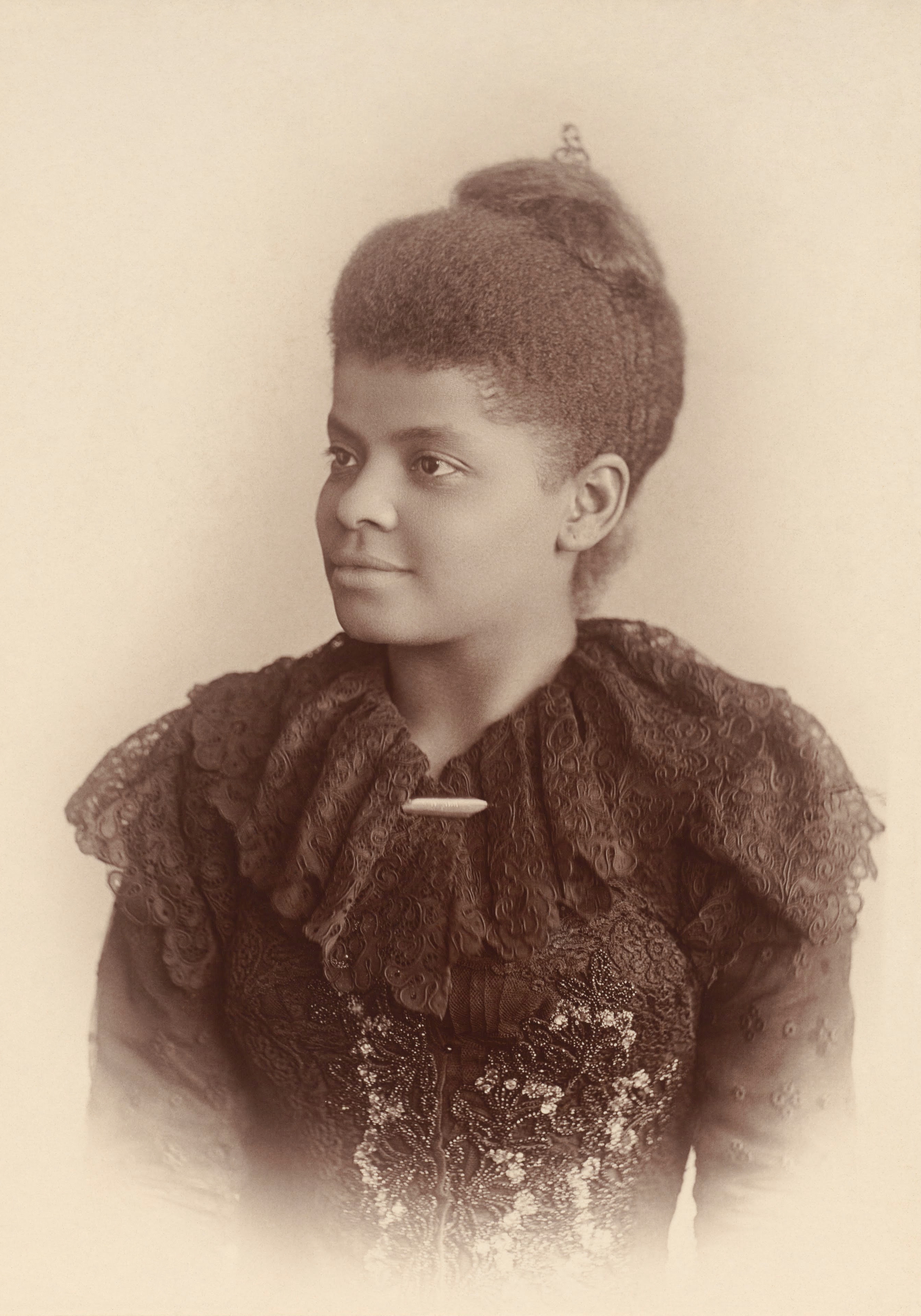
Wells documented lynching with data and narrative, co-founded the NAACP, and built Black institutions in Memphis and Chicago while facing mob violence and exile.
Read more →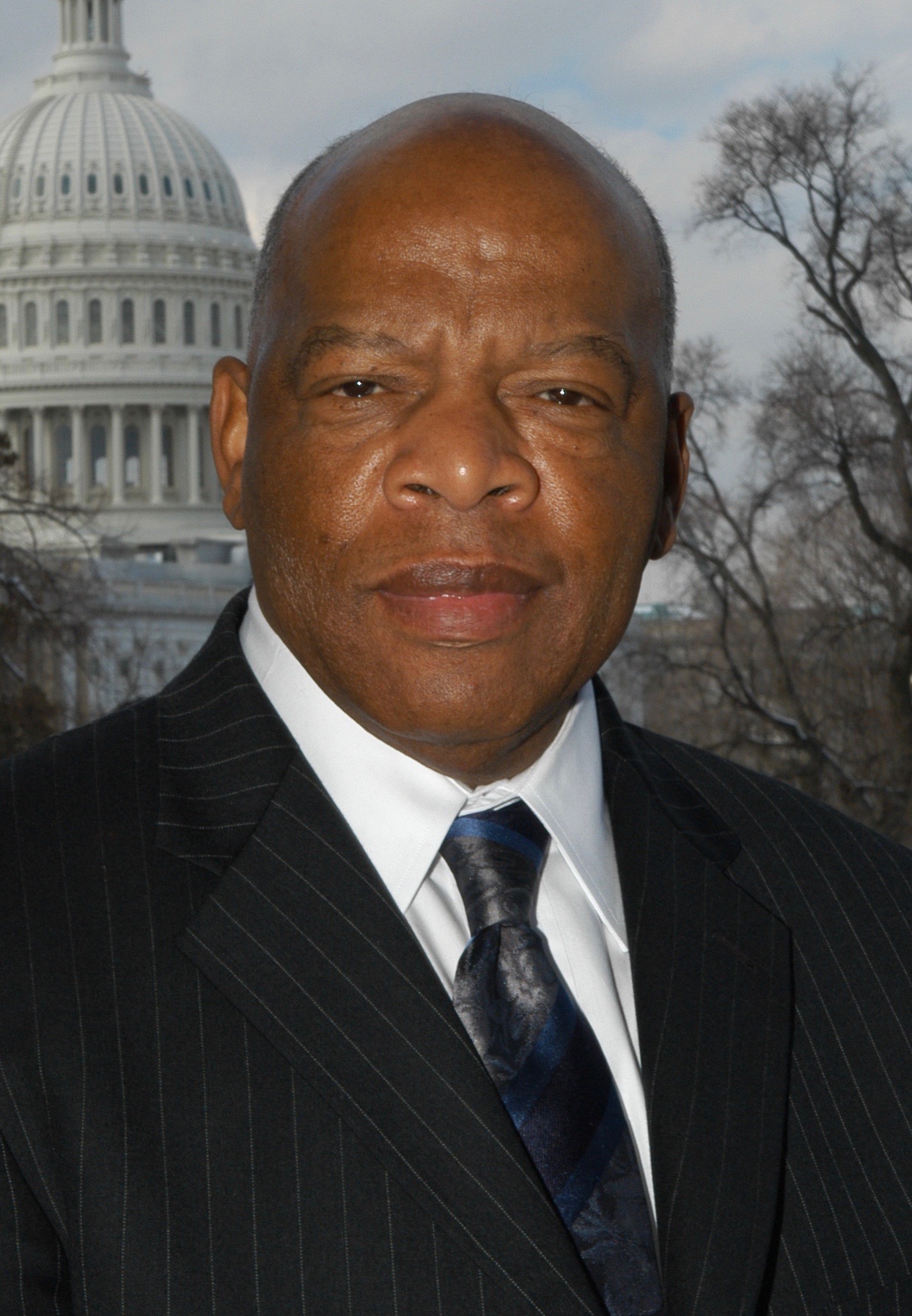
Lewis chaired SNCC, helped lead the Selma march where he was beaten on Bloody Sunday, and served decades in Congress championing voting rights and reconciliation.
Read more →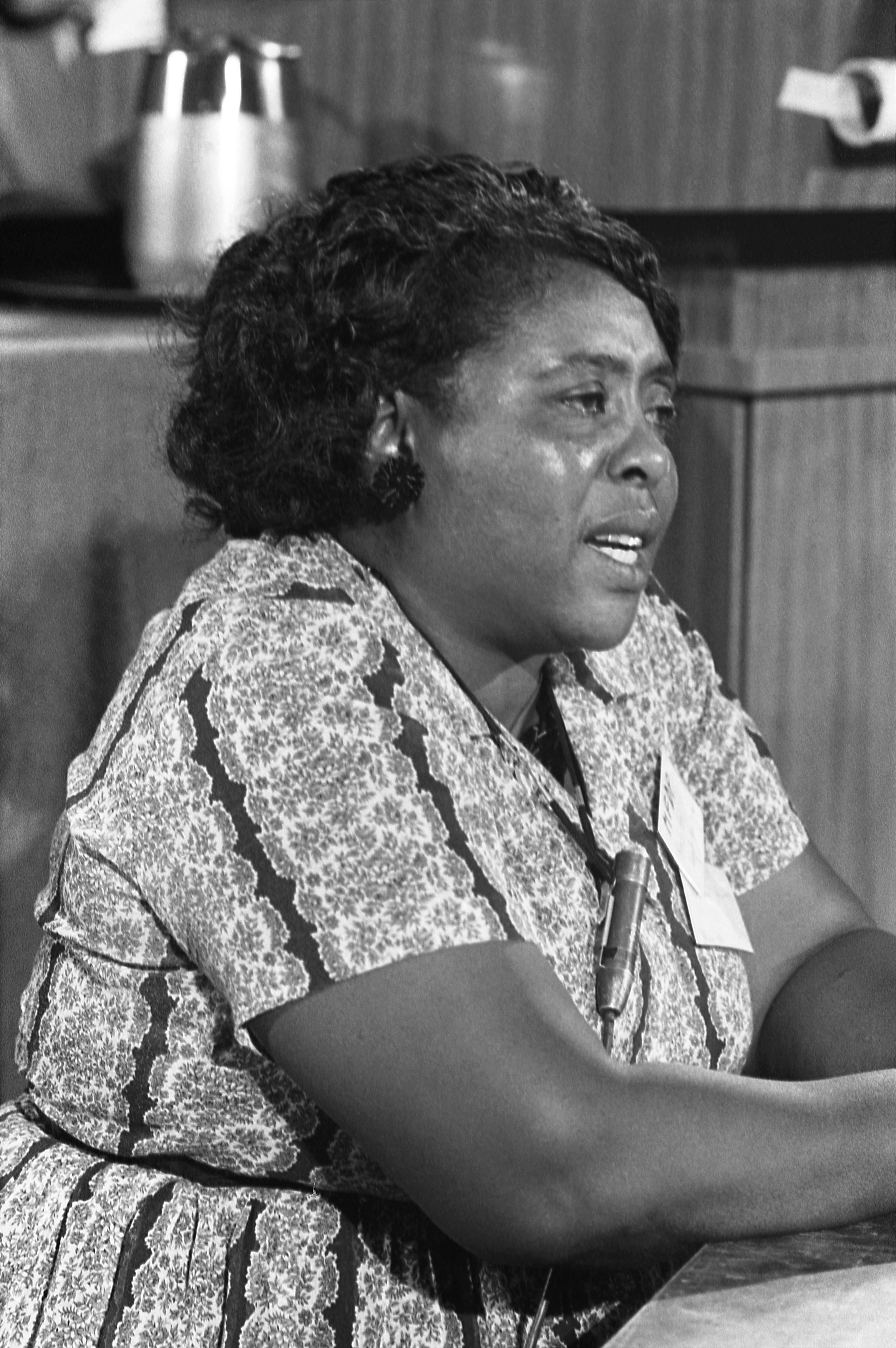
A sharecropper who became a national voice for voting rights, Hamer survived brutal reprisals and delivered searing testimony at the 1964 Democratic convention.
Read more →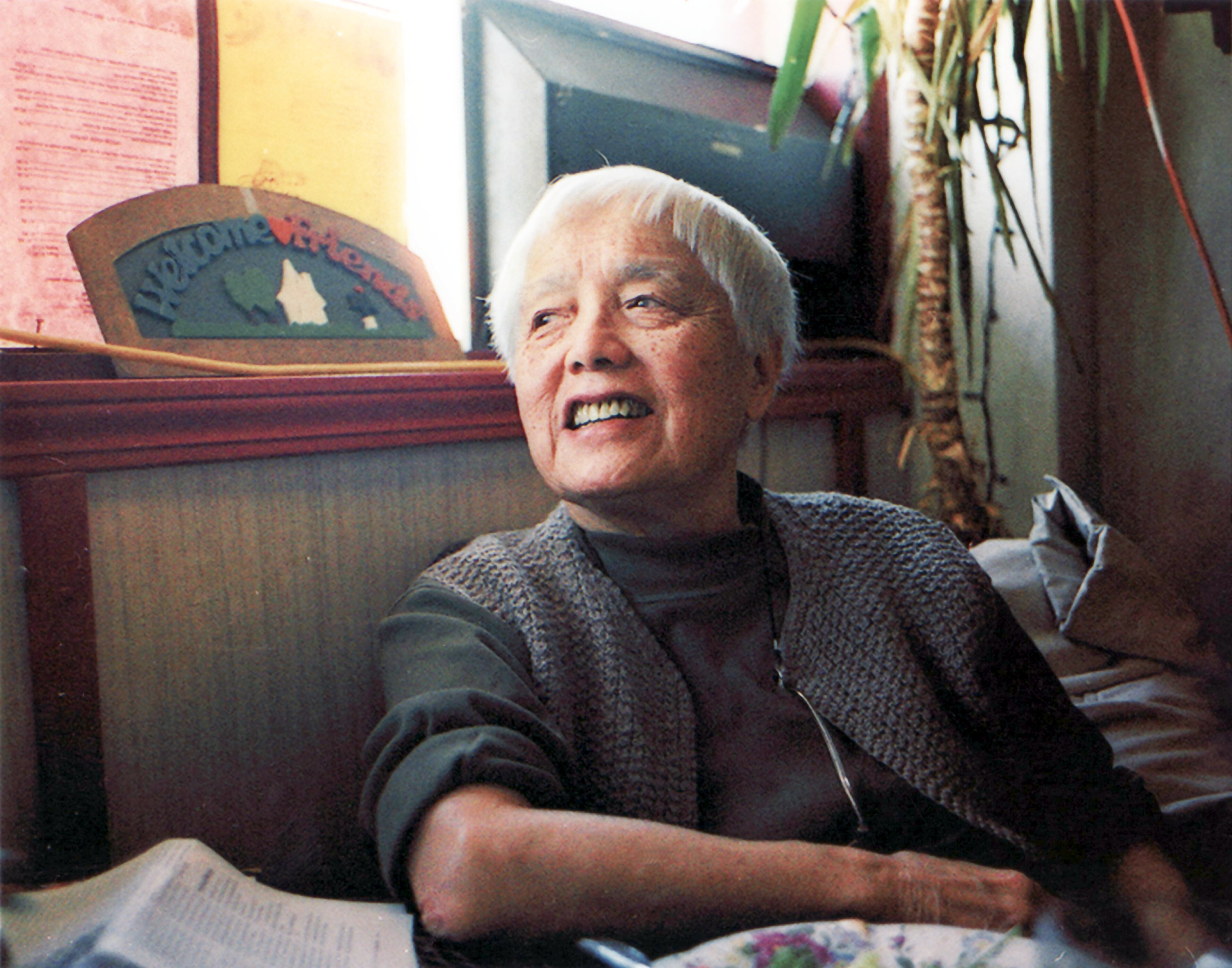
Boggs spent decades organizing around labor, Black Power, and urban renewal—later fostering youth-led urban agriculture and mutual aid in Detroit.
Read more →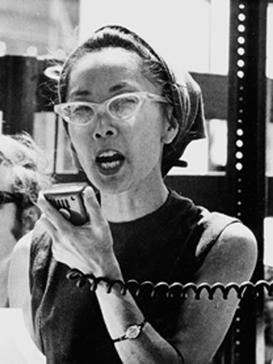
After Japanese American incarceration during World War II, Kochiyama worked with Black, Puerto Rican, and Asian American liberation movements in Harlem and beyond.
Read more →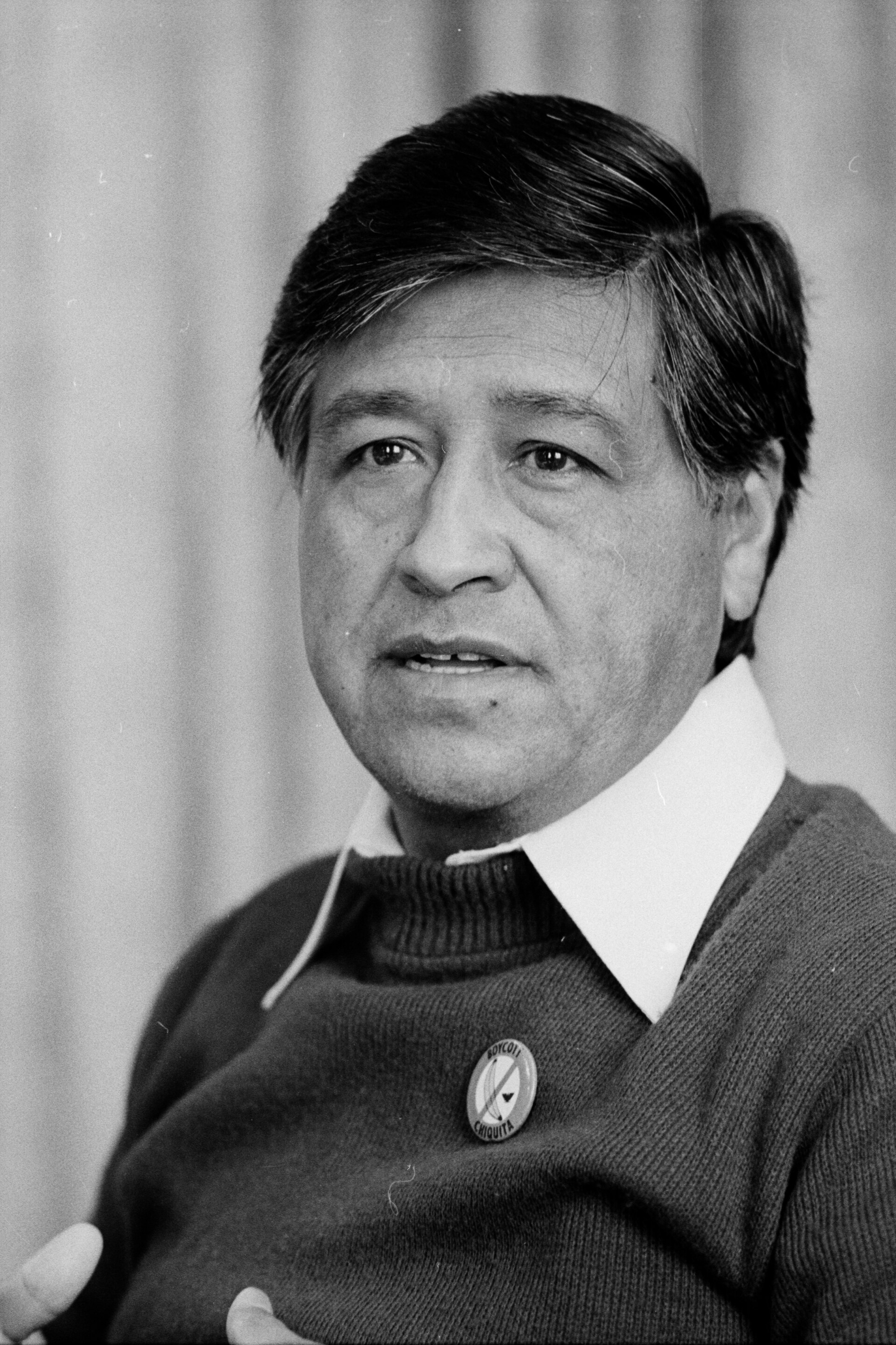
Chávez co-founded the UFW, using strikes, boycotts, and fasts to improve conditions for predominantly Latino farmworkers and expose exploitative labor systems.
Read more →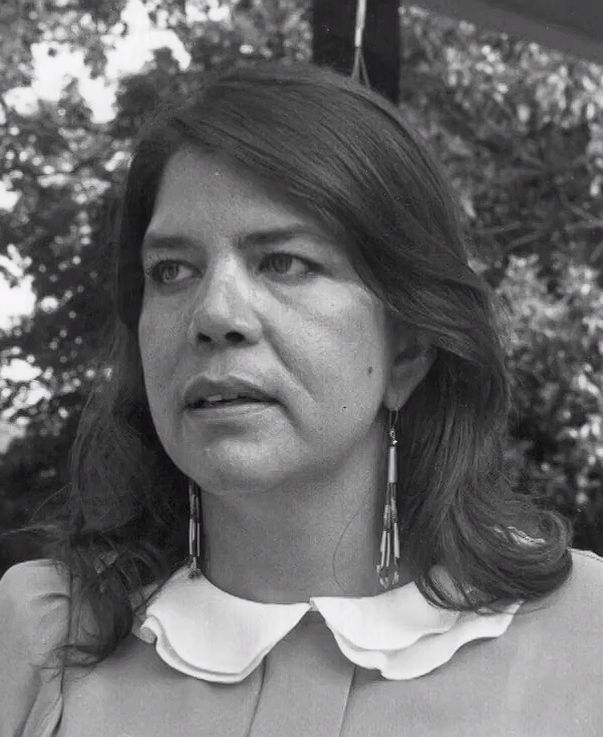
Mankiller revitalized Cherokee self-governance and rural community development—expanding housing, health care, and tribal enterprises while mentoring Native women in leadership across Indian Country.
Read more →
His book Custer Died for Your Sins helped reset U.S. conversations about treaties, tribal governments, and misrepresentation of Native people—blending law, humor, and history.
Read more →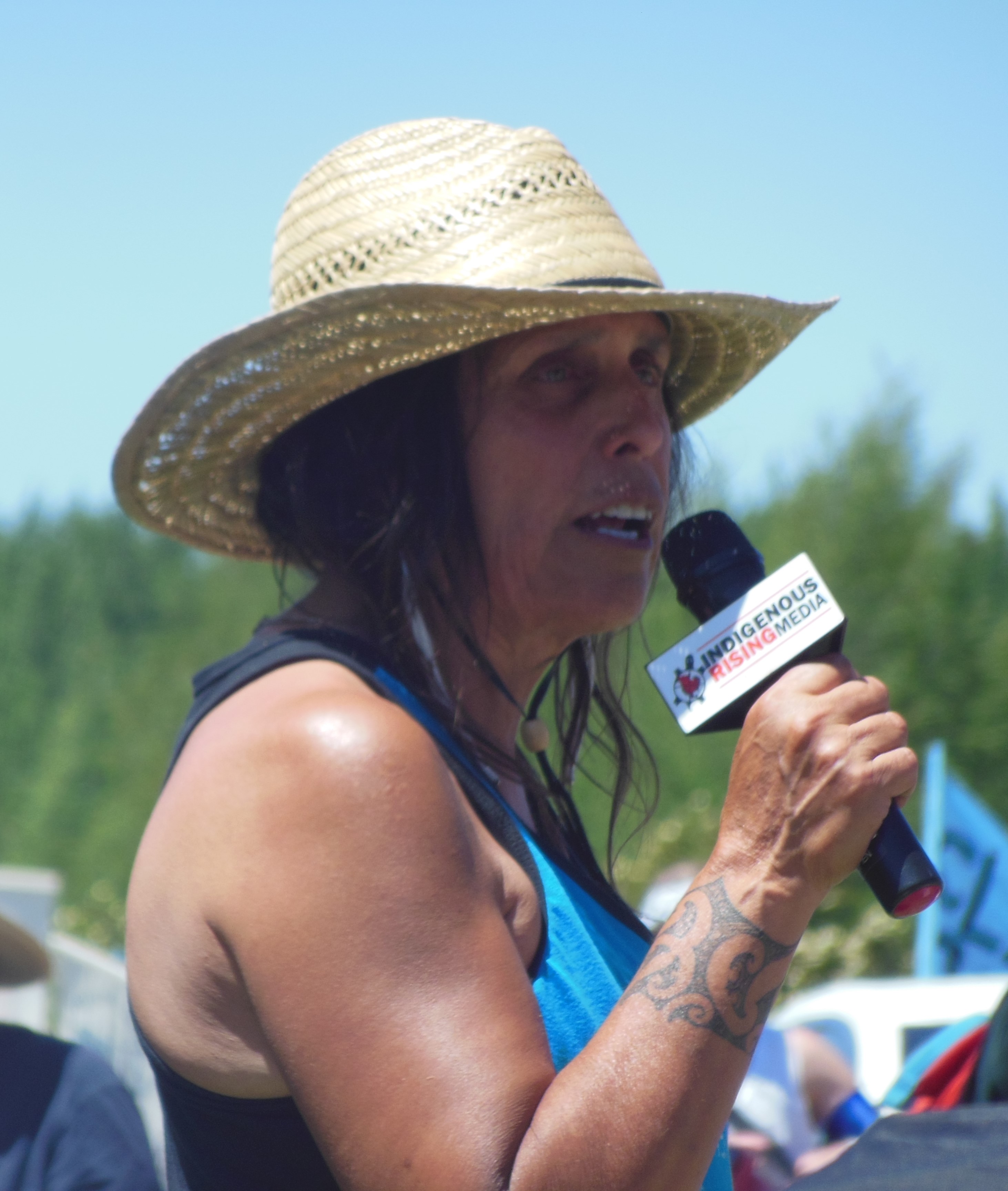
LaDuke founded the White Earth Land Recovery Project and Honor the Earth, organizing around treaty rights, renewable energy, and opposition to pipelines that threaten treaty lands and water.
Read more →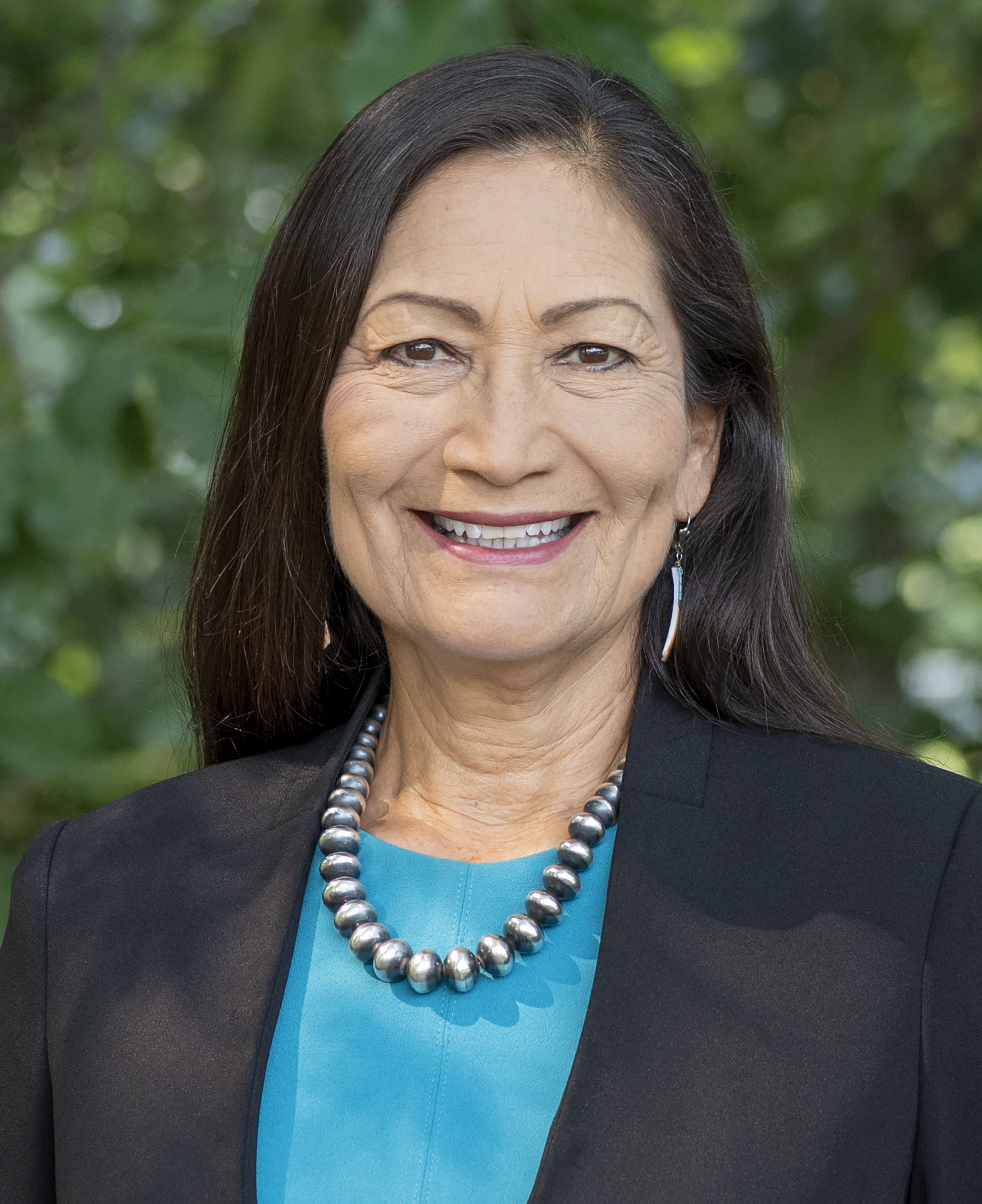
A former U.S. representative from New Mexico, Haaland served as Secretary of the Interior—overseeing agencies that shape tribal relations, public lands, and the protection of sacred sites.
Read more →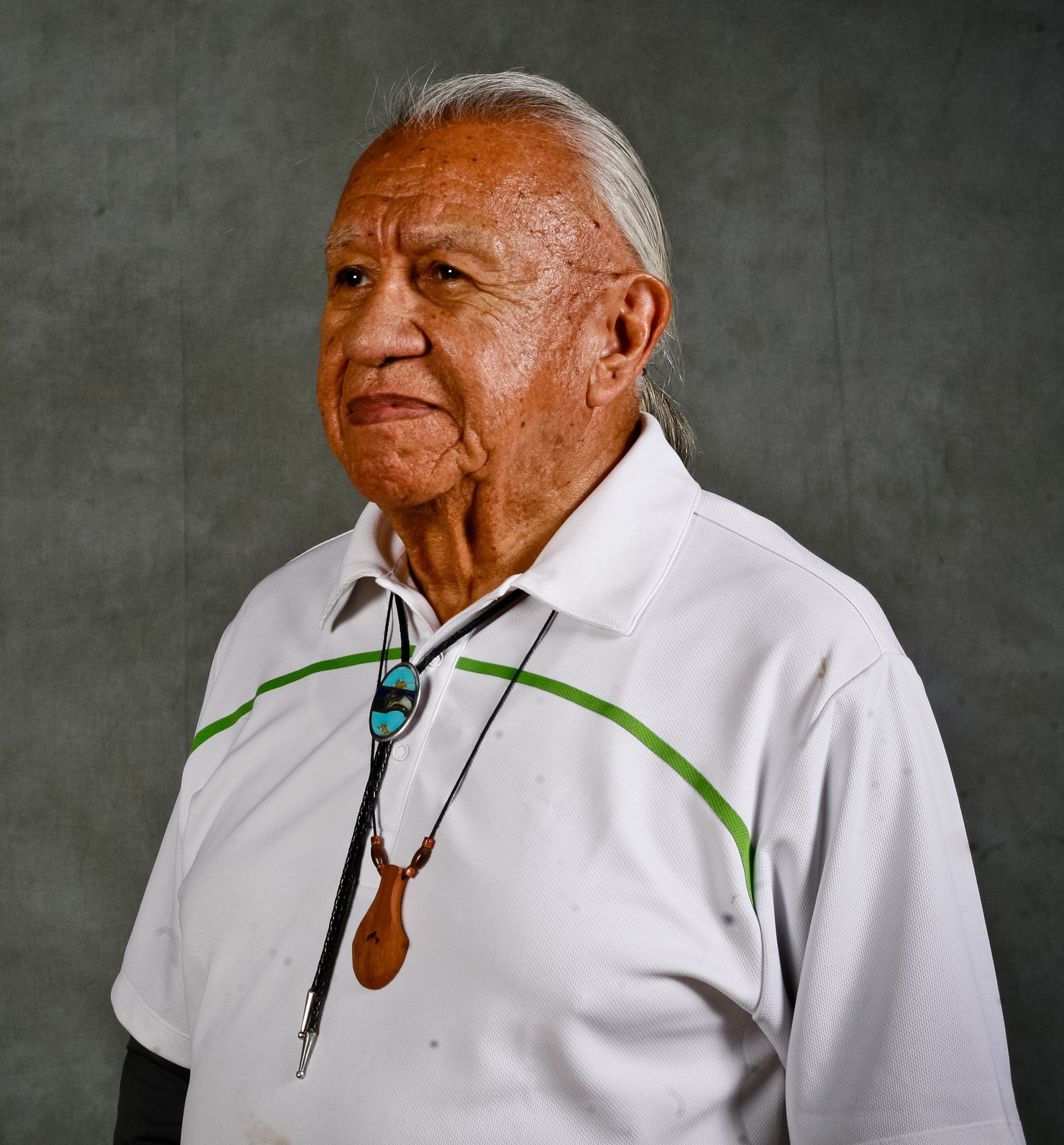
Frank organized 'fish-ins' on the Nisqually River to assert treaty fishing rights guaranteed in treaties—facing arrest dozens of times before courts affirmed tribal salmon fisheries in the Pacific Northwest.
Read more →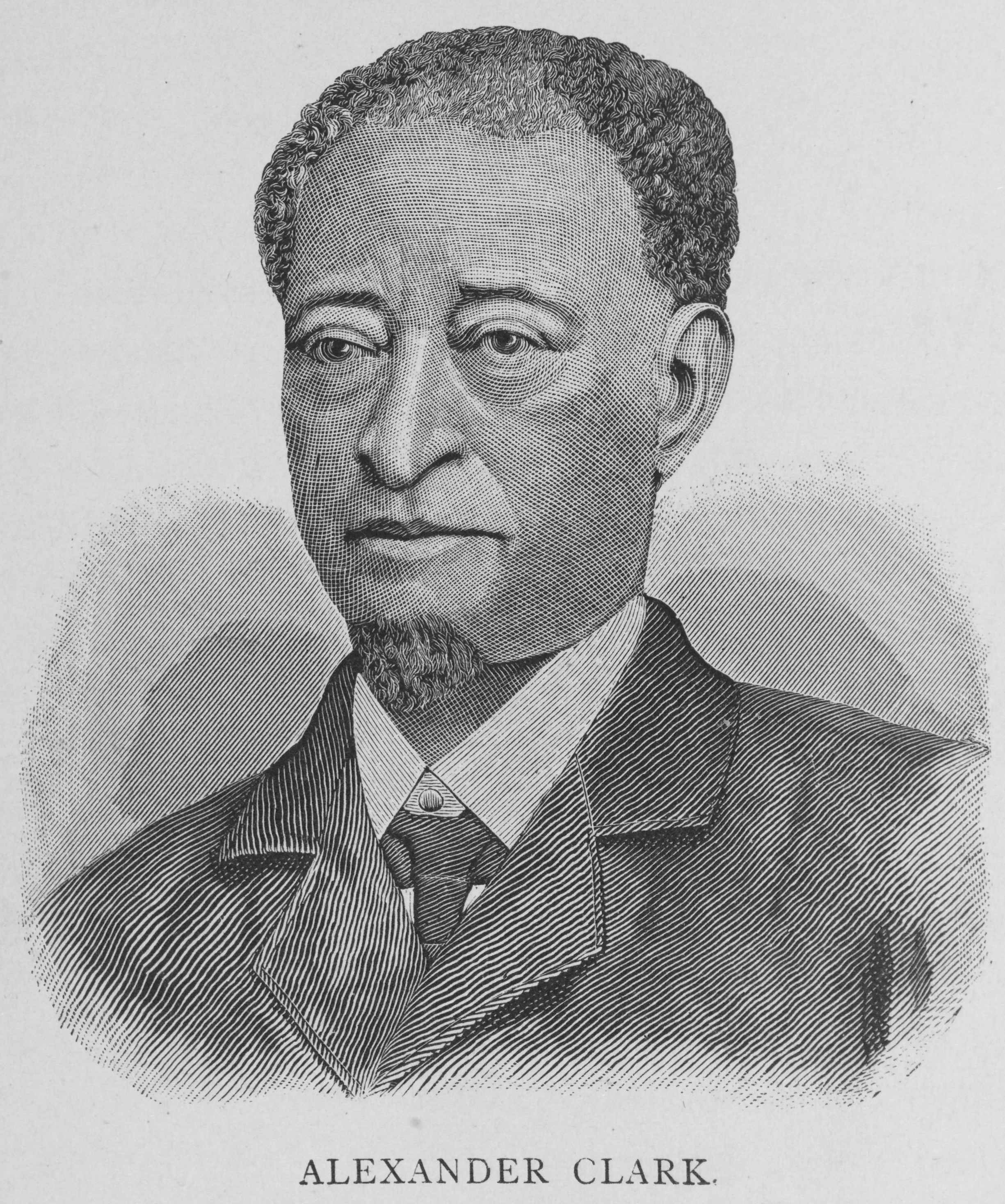
Alexander Clark won an 1868 Iowa Supreme Court case desegregating public schools for his daughter and later became a diplomat to Liberia.
Read more →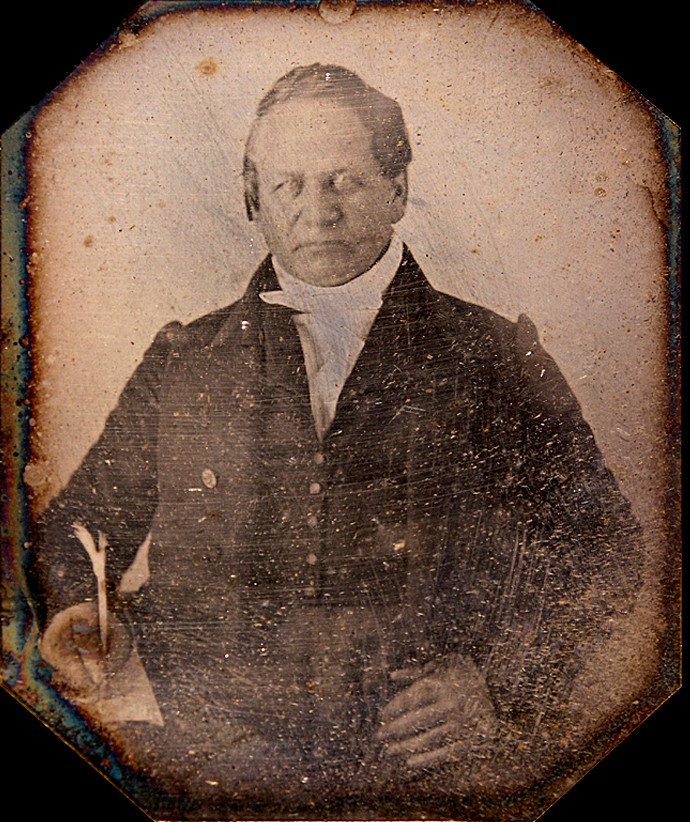
Alexander Twilight graduated from Middlebury College in 1823—the first African American known to earn a U.S. bachelor's degree—and later served in the Vermont legislature.
Read more →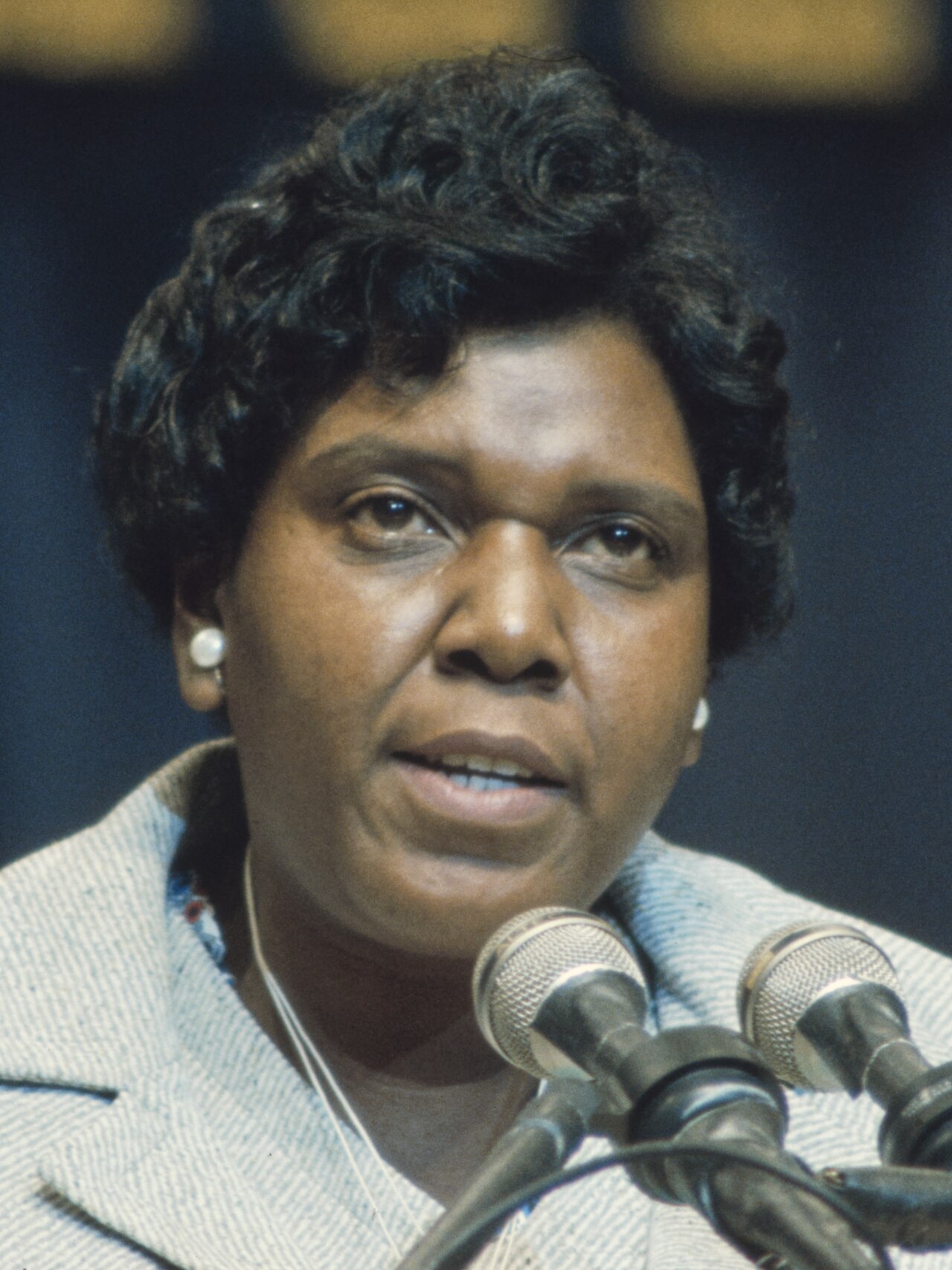
Barbara Jordan became the first Southern Black woman in Congress and a defining voice on the Constitution during Watergate.
Read more →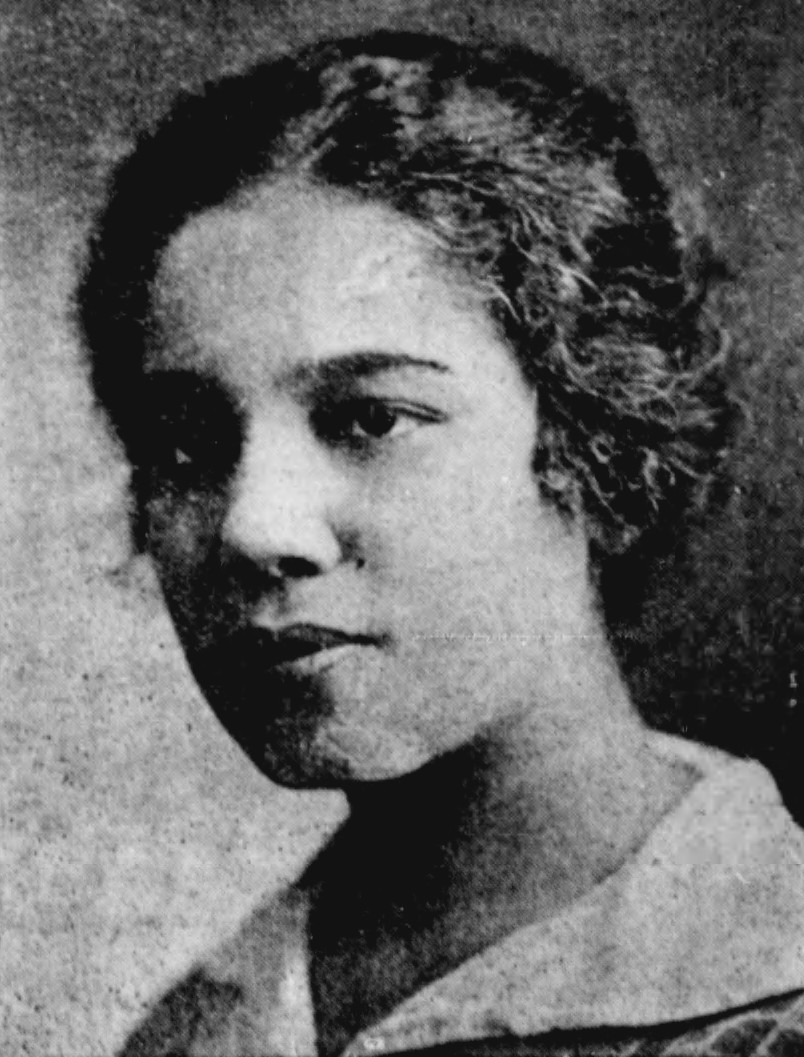
Beatrice Cannady edited The Advocate in Portland and fought Oregon's exclusionary racial politics through journalism and organizing.
Read more →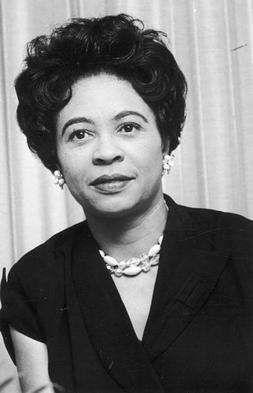
Daisy Bates guided and protected the Little Rock Nine during the 1957 school desegregation crisis as NAACP state president in Arkansas.
Read more →
Diane Nash helped lead the Nashville Student Movement sit-ins and the Freedom Rides, becoming one of the most important strategists of the Southern civil rights movement.
Read more →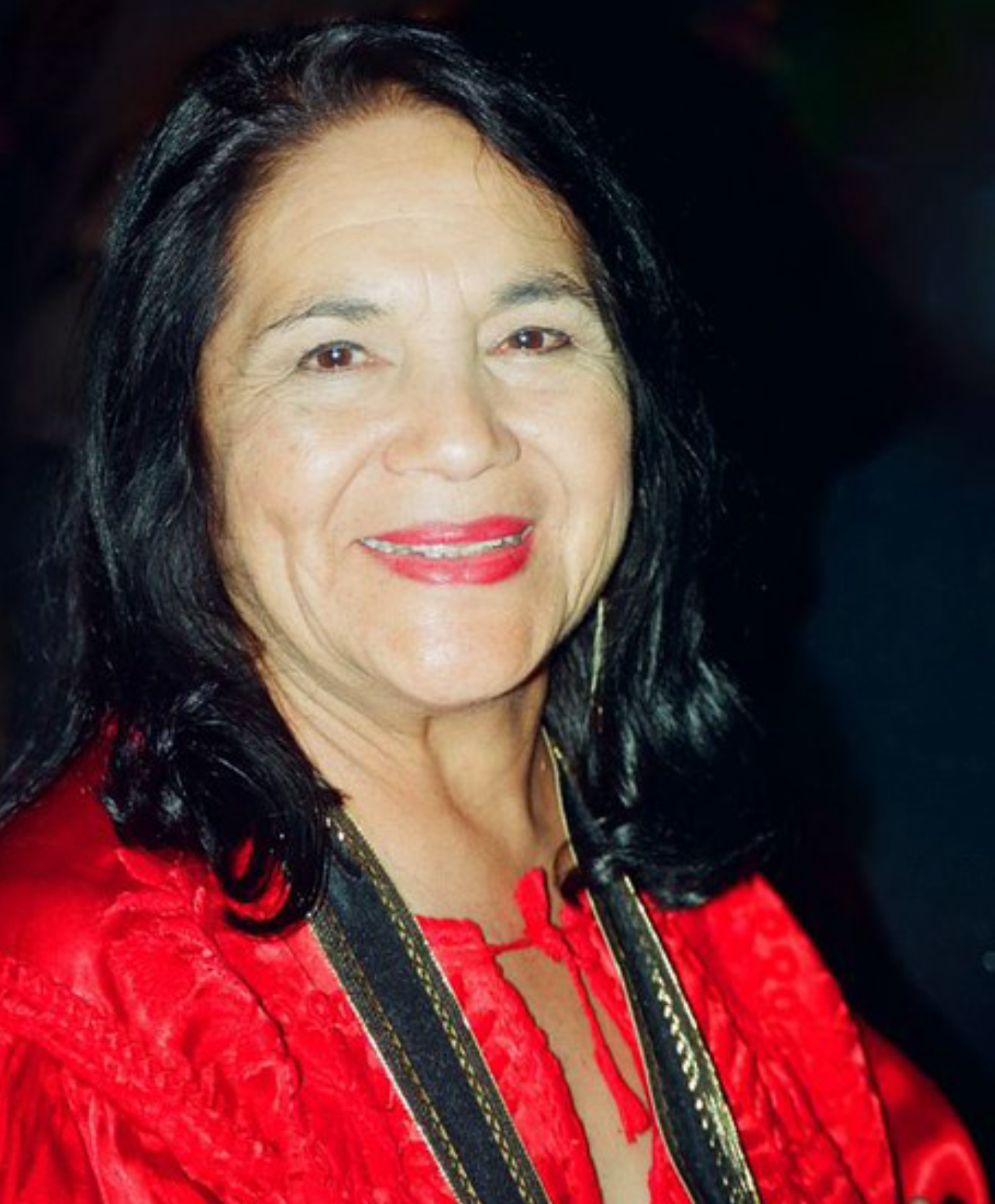
Dolores Huerta co-founded the United Farm Workers and organized farmworkers across the Southwest, including Arizona campaigns against exploitative labor conditions.
Read more →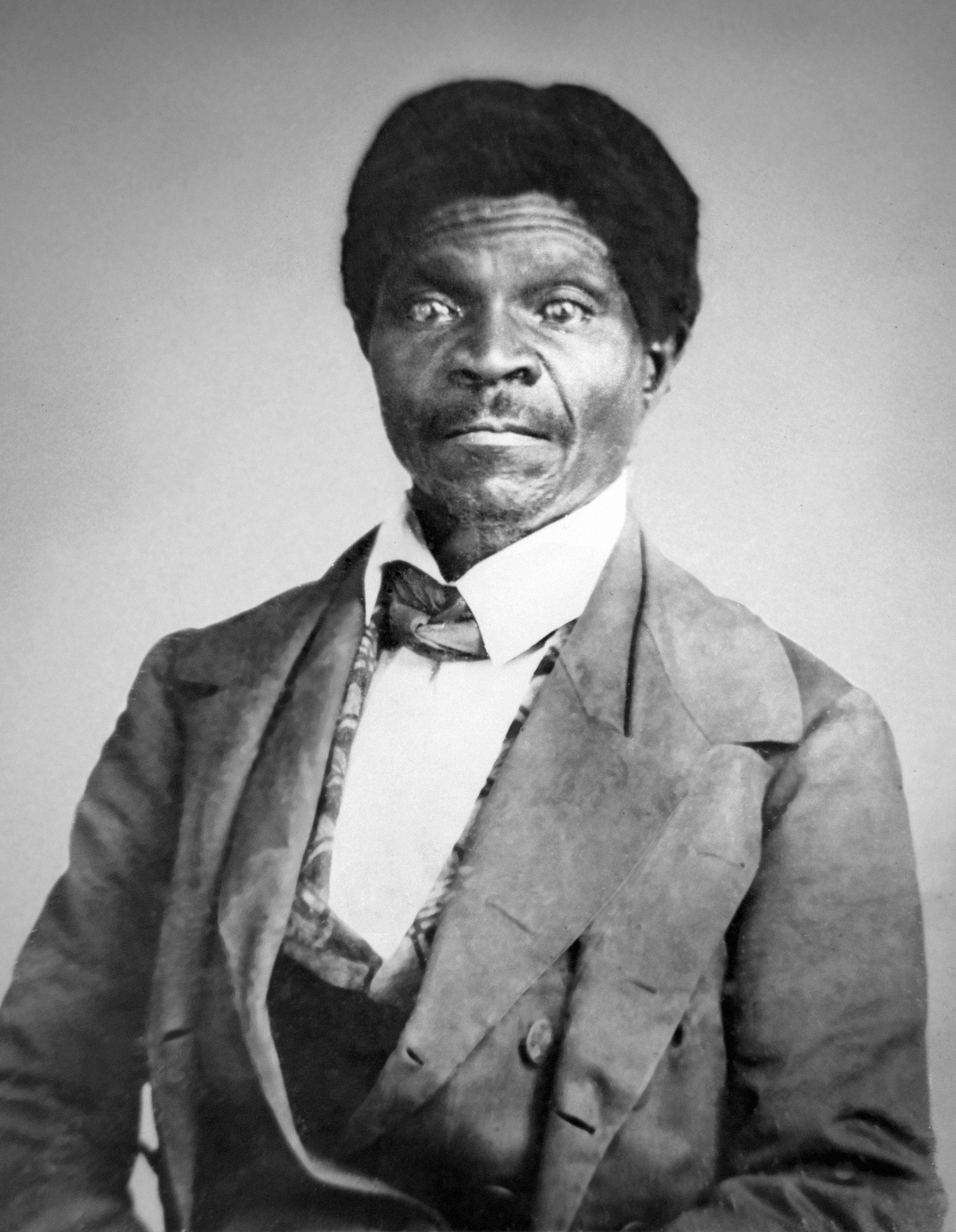
Dred Scott's freedom suit led to the infamous 1857 Supreme Court decision denying Black citizenship—and fueled the crisis that preceded the Civil War.
Read more →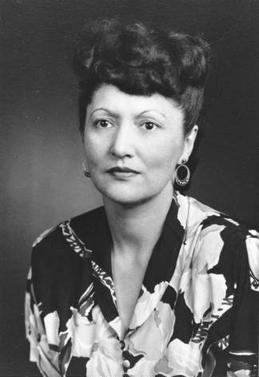
Tlingit leader Elizabeth Peratrovich's testimony helped pass Alaska's 1945 Anti-Discrimination Act, a landmark against Jim Crow-style segregation in the territory.
Read more →
Blackfeet banker Elouise Cobell led the landmark Cobell v. Salazar trust case exposing federal mismanagement of Individual Indian Money accounts.
Read more →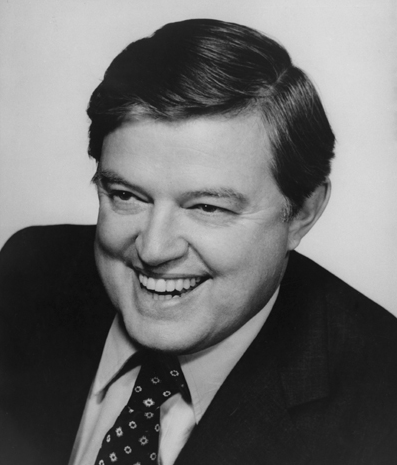
Idaho Senator Frank Church supported investigations and legislation confronting wartime civil liberties abuses, including Japanese American incarceration.
Read more →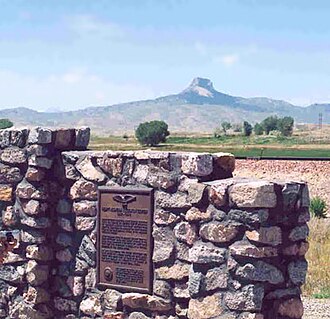
Frank Emi helped lead the Heart Mountain Fair Play Committee, draft resisters who challenged the injustice of Japanese American incarceration.
Read more →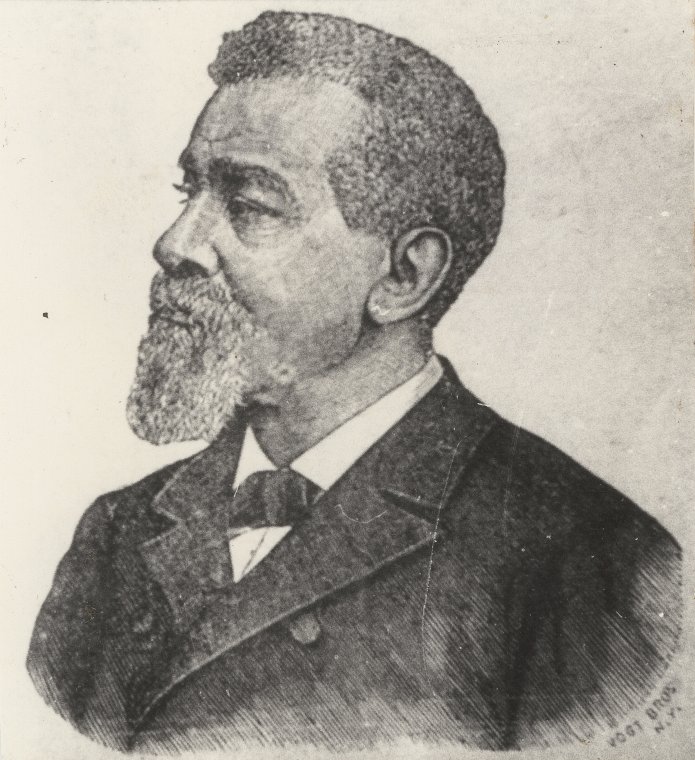
George T. Downing used his Newport catering fortune to fund abolition and press for equal schooling and civil rights in Rhode Island.
Read more →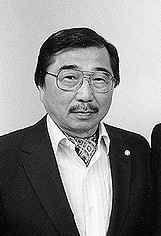
Gordon Hirabayashi challenged curfew and exclusion orders; his conviction was vacated decades later as evidence of government misconduct emerged.
Read more →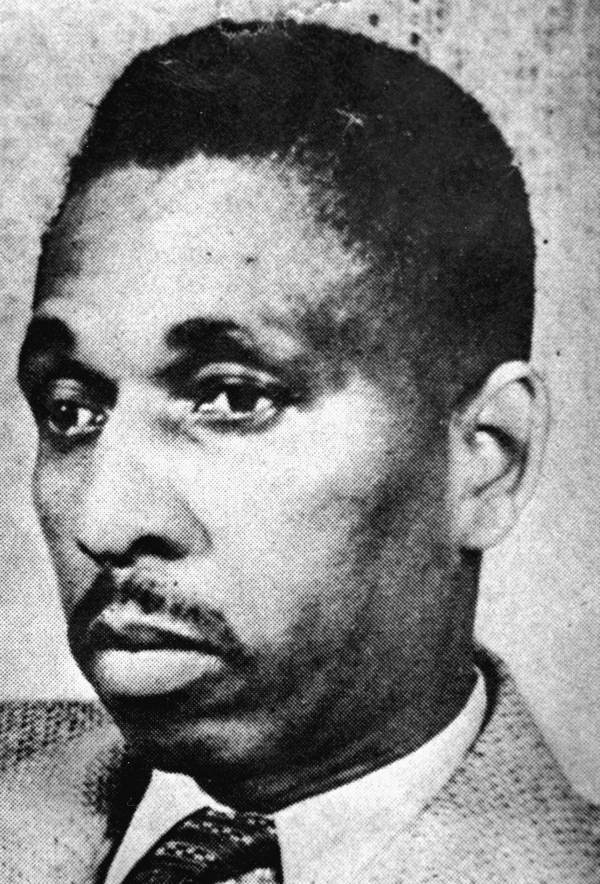
Harry T. Moore built Florida's NAACP and was murdered with his wife for civil rights work—often called the first martyrs of the modern movement.
Read more →
John Stevens helped lead Passamaquoddy land-claims organizing that culminated in the Maine Indian Claims Settlement Act.
Read more →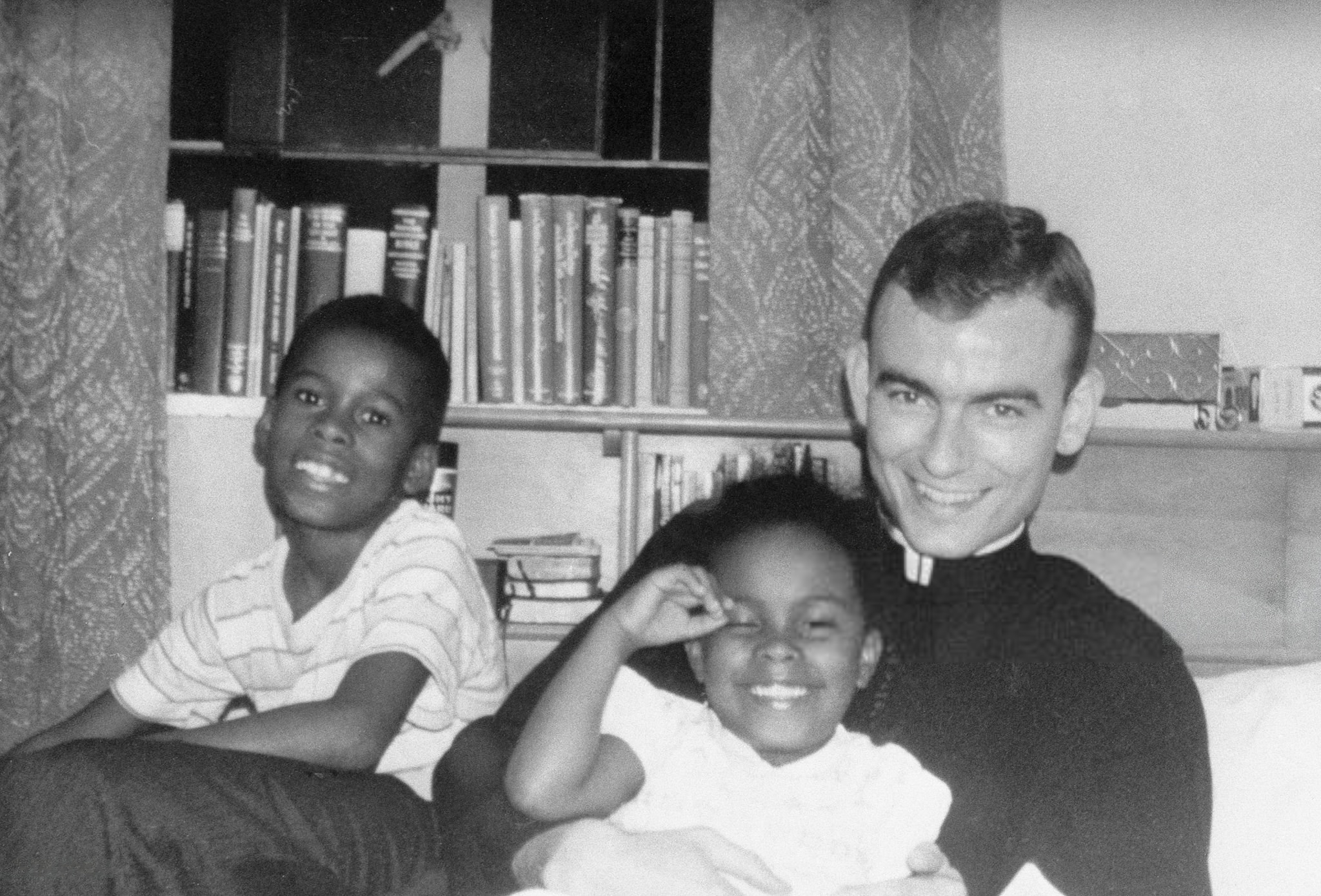
New Hampshire native Jonathan Daniels was murdered in Alabama while protecting Black civil rights activists—an Episcopal martyr of the movement.
Read more →
LaDonna Brave Bull Allard founded the Sacred Stone Camp that helped spark the Standing Rock resistance to the Dakota Access Pipeline.
Read more →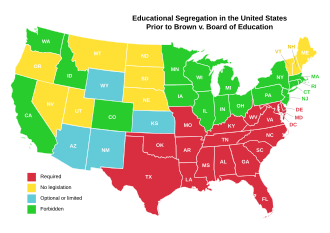
Louis Redding argued Delaware school cases consolidated into Brown v. Board and was the first Black lawyer admitted to the Delaware bar.
Read more →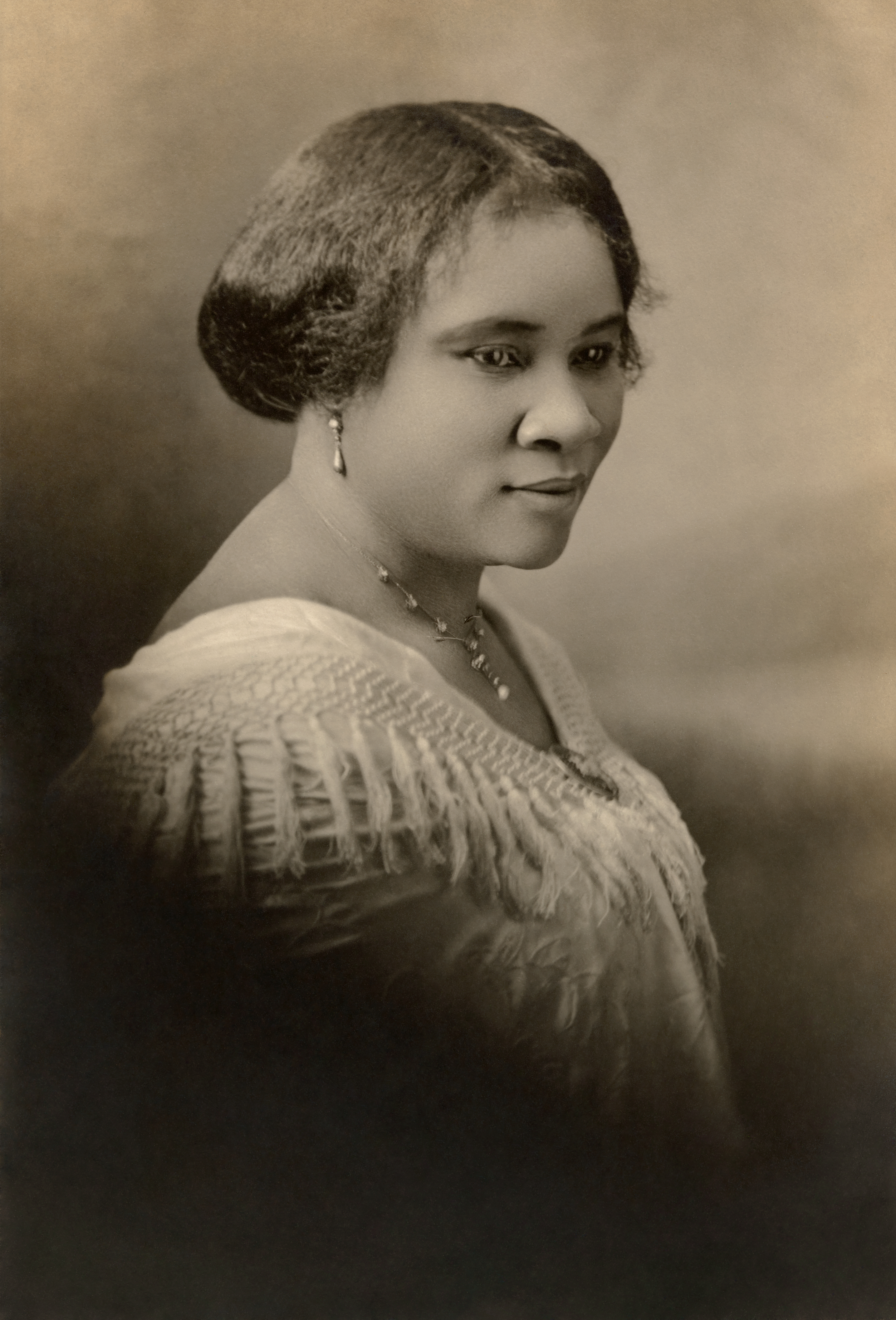
Madam C.J. Walker built a Black hair-care empire headquartered in Indiana and used her wealth to fund civil rights and educational causes.
Read more →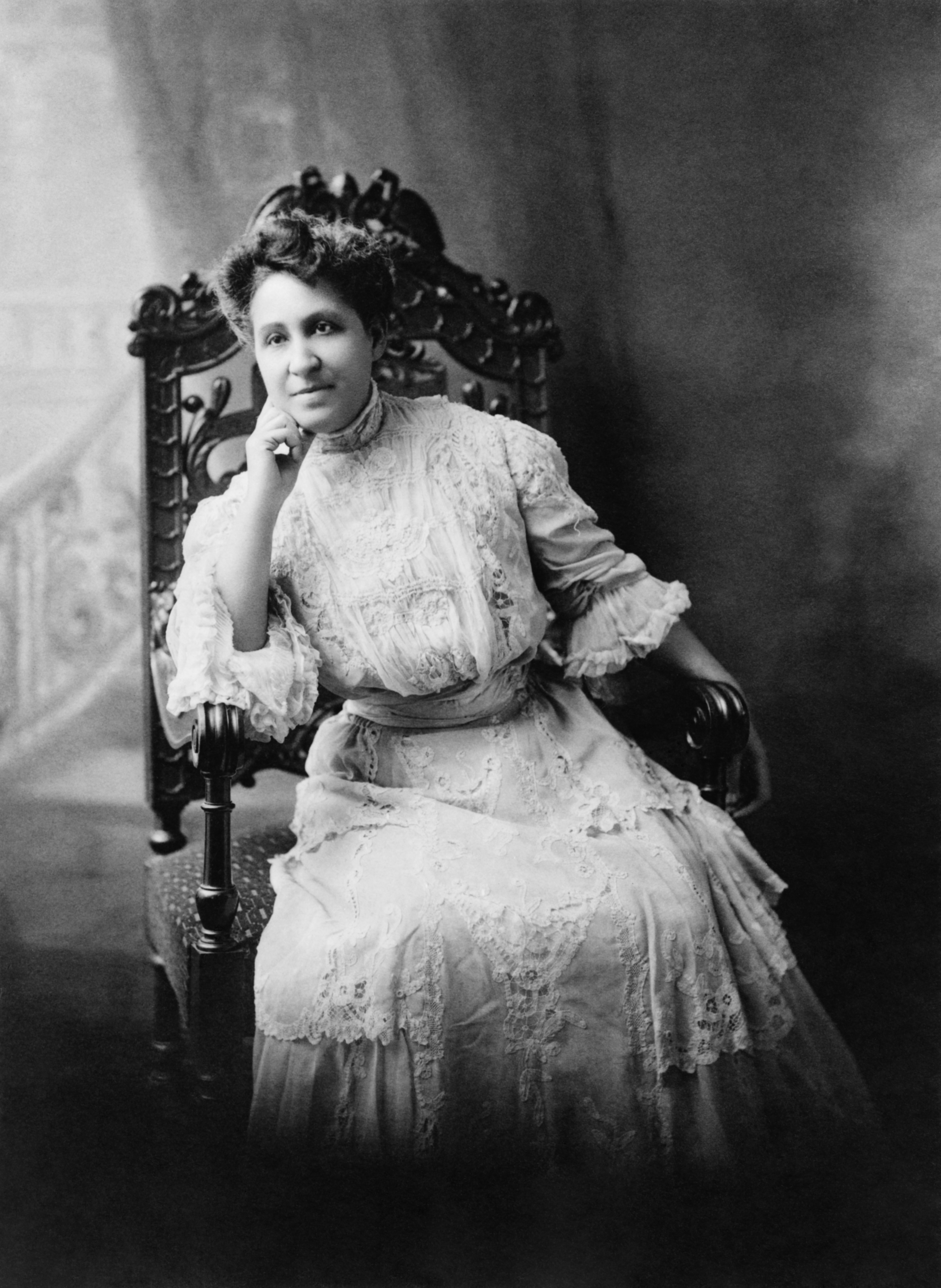
Mary Church Terrell fought segregation in Washington, D.C., co-founded the NAACP, and led decades of organizing for Black women's rights.
Read more →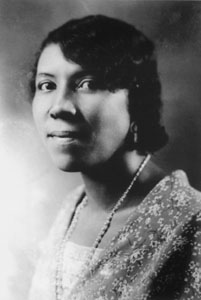
Memphis Tennessee Garrison organized teachers and NAACP chapters in West Virginia coal country and fought for Black education and voting rights.
Read more →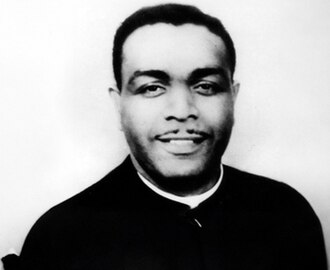
Oliver Brown's lawsuit on behalf of his daughter Linda became the lead case in Brown v. Board of Education.
Read more →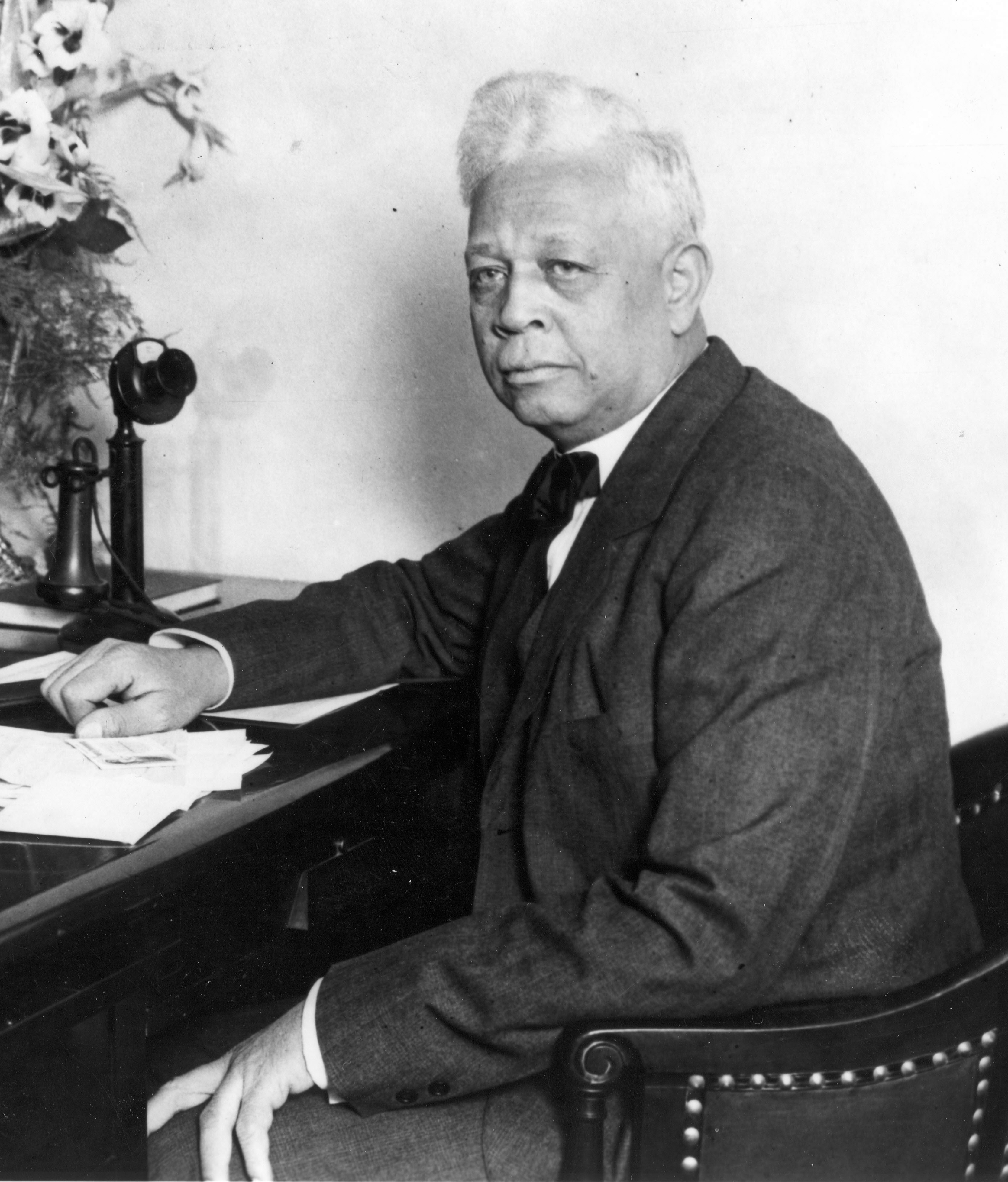
Oscar De Priest represented Chicago in Congress beginning in 1929, the first African American elected to that body in the twentieth century.
Read more →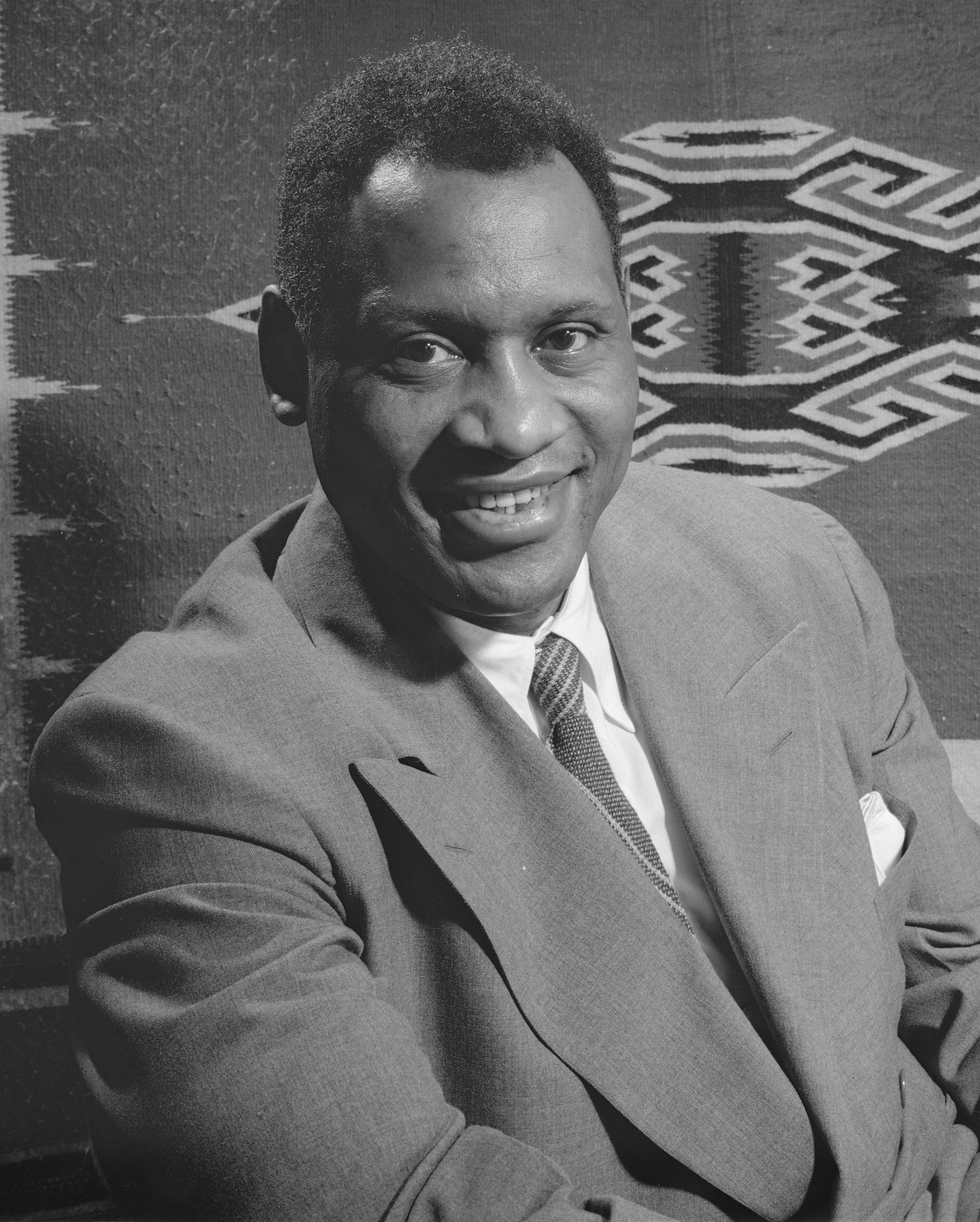
Born in Princeton, Paul Robeson used his global fame as a performer to denounce racism, colonialism, and McCarthy-era repression.
Read more →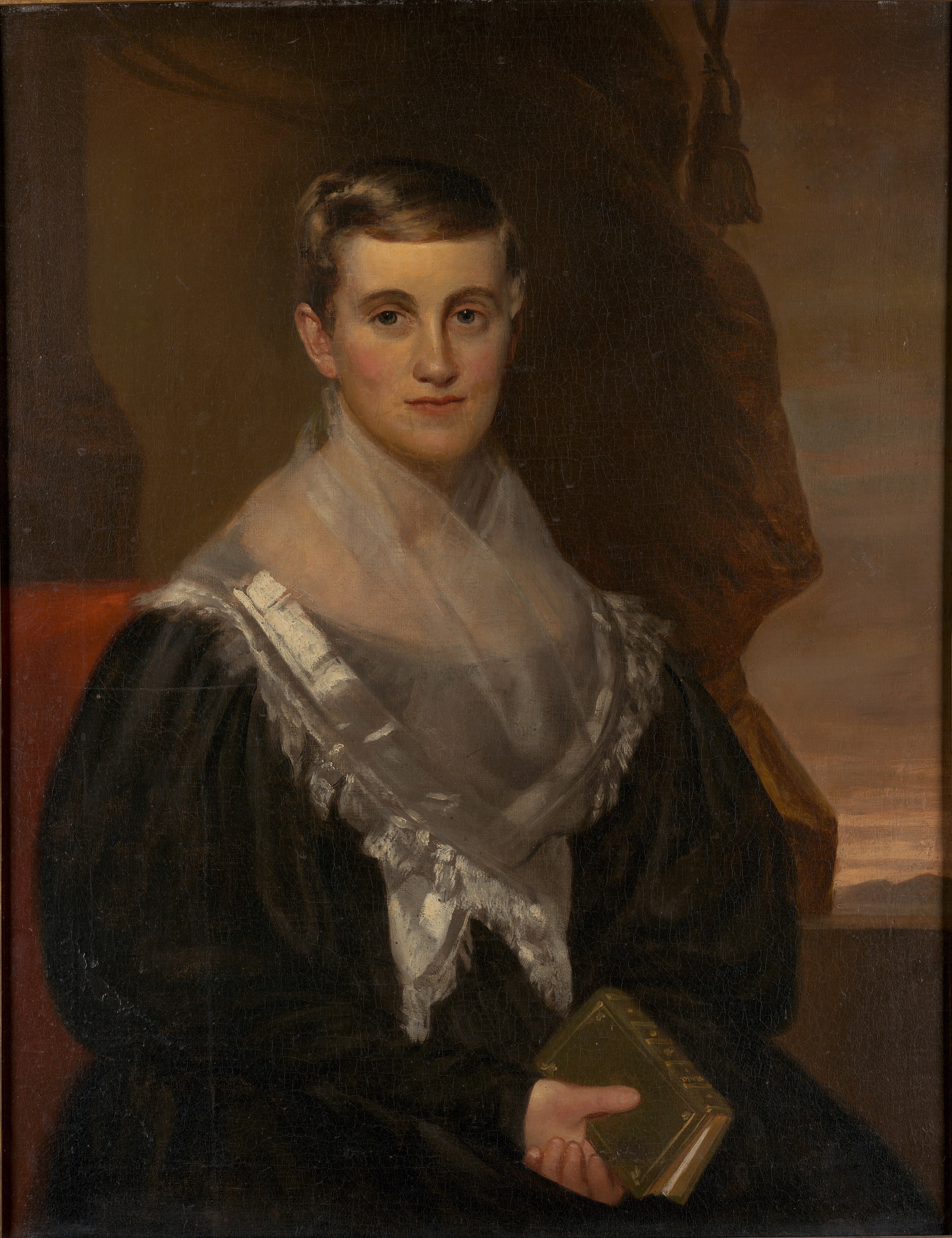
Prudence Crandall admitted Black students to her Canterbury school in 1830s Connecticut and faced prosecution and mob violence for doing so.
Read more →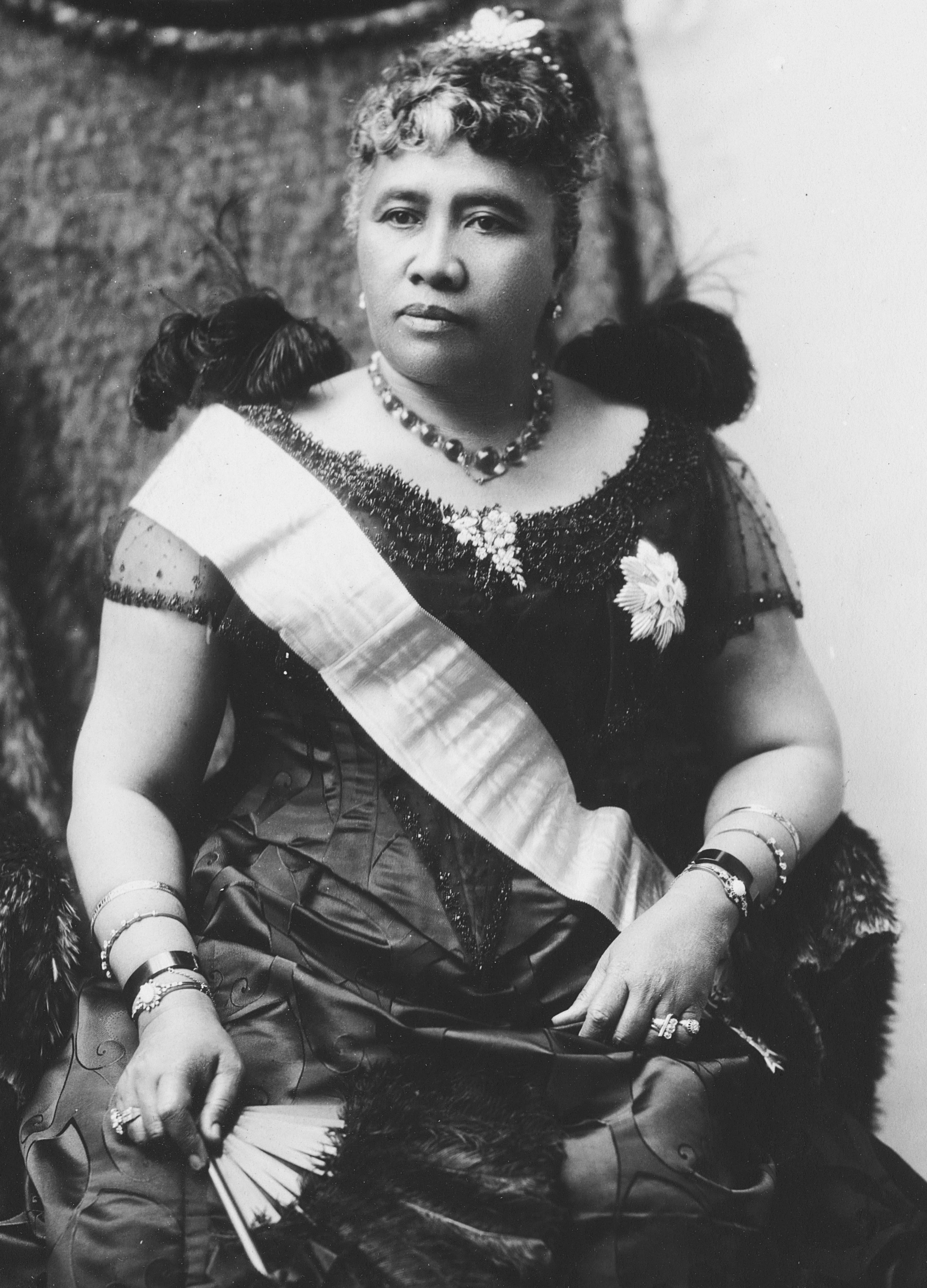
Queen Liliʻuokalani resisted the illegal overthrow of the Hawaiian Kingdom and remained a symbol of Native Hawaiian sovereignty and dignity.
Read more →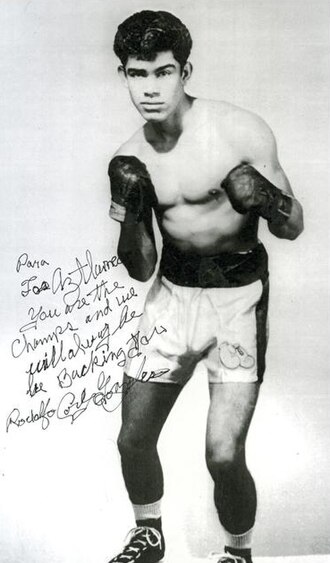
Corky Gonzales founded Crusade for Justice in Denver and helped shape the Chicano movement's demands for education, land, and political power.
Read more →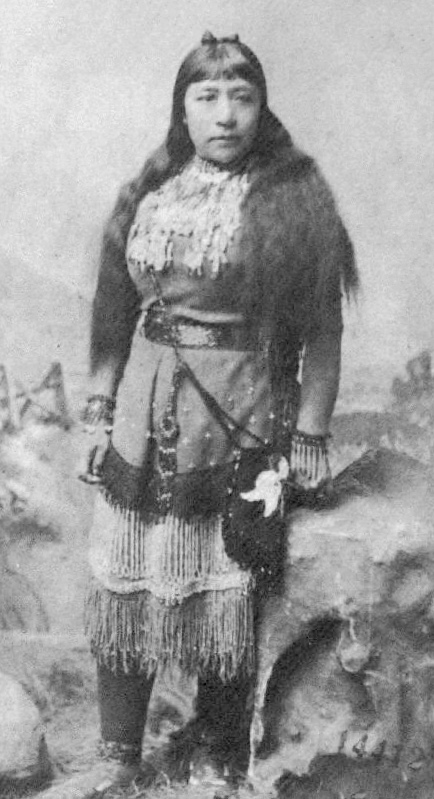
Sarah Winnemucca lectured and wrote Life Among the Piutes, advocating for Paiute rights and education amid displacement in Nevada and the Great Basin.
Read more →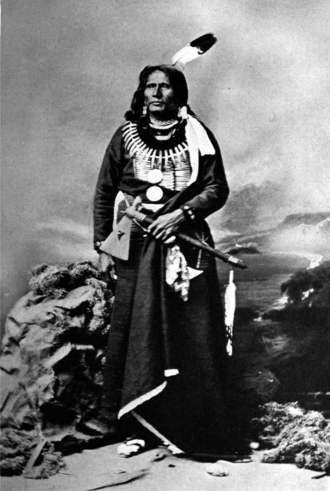
Standing Bear's 1879 habeas case established that Native Americans are persons under U.S. law entitled to due process.
Read more →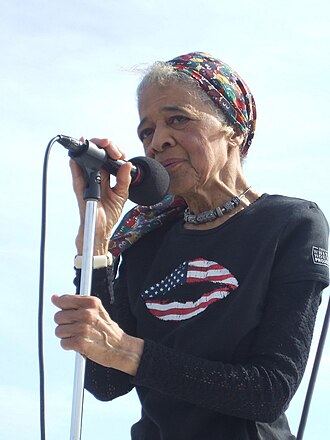
Vel Phillips, Milwaukee's first Black alderwoman, pressed open-housing legislation that helped spark the city's fair-housing marches.
Read more →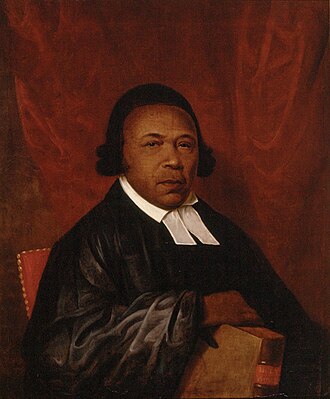
Absalom Jones was a co-founder of the Free African Society with Richard Allen, the first Black mutual aid organization, and a pioneering preacher who helped establish independent Black churches.
Read more →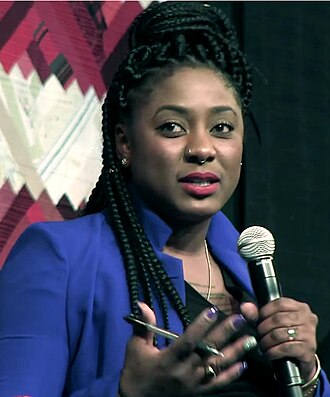
Alicia Garza is a civil rights activist and writer who co-founded the Black Lives Matter movement in 2013 after Trayvon Martin's murderer was acquitted, transforming a Facebook post into a global rallying cry against police brutality …
Read more →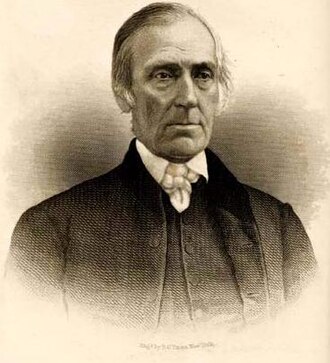
Levi Coffin was a Quaker abolitionist from Indiana and North Carolina who became the most famous and active conductor of the Underground Railroad, helping over 2,000 enslaved people escape to freedom.
Read more →
Maria Stewart was the first American woman to publicly lecture on abolition and women's rights, using her voice to challenge racism and sexism in the early 19th century.
Read more →
Richard Allen was the founder of the African Methodist Episcopal (AME) Church, the first independent Black denomination in the U.S., and a pioneering leader in organizing Black communities against racism.
Read more →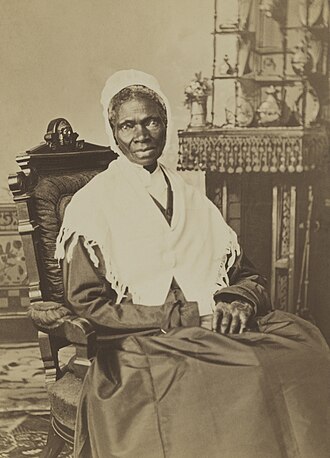
Born into slavery, Sojourner Truth escaped to freedom in 1827 and became a powerful orator against slavery and for women's rights, advocating for racial and gender equality across the North before 1865.
Read more →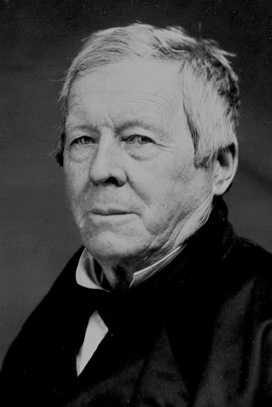
Thomas Garrett was a prominent white abolitionist and Underground Railroad conductor in Pennsylvania who helped hundreds of enslaved people escape to freedom, often at great personal risk.
Read more →