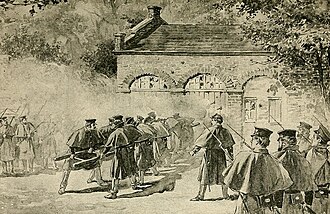
Abolitionist John Brown led a raid on the federal arsenal at Harper's Ferry to incite a slave rebellion and seize weapons for enslaved people. The raid was quickly suppressed, and Brown was captured, tried, and executed. The event heightened sectional tensions, with …
📍Harper's Ferry, Virginia, VA
👤Racial violenceSlavery & emancipation
Read more about this entry
Abolitionist John Brown led a raid on the federal arsenal at Harper's Ferry to incite a slave rebellion and seize weapons for enslaved people. The raid was quickly suppressed, and Brown was captured, tried, and executed. The event heightened sectional tensions, with Southern states viewing it as evidence of Northern aggression, while abolitionists saw Brown as a martyr for freedom.
The U.S. Supreme Court ruled in Dred Scott v. Sandford that enslaved people were not citizens and could not sue in federal court, and that the Constitution protected slavery as property everywhere in the U.S. Territorially. Chief Justice Roger Taney declared that …
📍Washington, D.C., DC
👤African AmericanSlavery & emancipation
Read more about this entry
The U.S. Supreme Court ruled in Dred Scott v. Sandford that enslaved people were not citizens and could not sue in federal court, and that the Constitution protected slavery as property everywhere in the U.S. Territorially. Chief Justice Roger Taney declared that Black people had 'no rights which the white man was bound to respect.' The decision invalidated the Missouri Compromise and intensified national conflict over slavery.
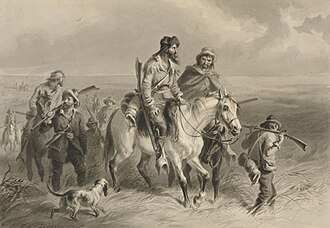
The Kansas-Nebraska Act of 1854 allowed settlers in Kansas and Nebraska territories to decide through 'popular sovereignty' whether to permit slavery, sparking violent conflict known as 'Bleeding Kansas'[6]. Pro-slavery 'Border Ruffians' from Missouri crossed into Kansas to intimidate anti-slavery settlers and vote …
📍Kansas Territory, US
👤Racial violenceSlavery & emancipation
Read more about this entry
The Kansas-Nebraska Act of 1854 allowed settlers in Kansas and Nebraska territories to decide through 'popular sovereignty' whether to permit slavery, sparking violent conflict known as 'Bleeding Kansas'[6]. Pro-slavery 'Border Ruffians' from Missouri crossed into Kansas to intimidate anti-slavery settlers and vote illegally, leading to bloody fighting over slavery expansion in the Kansas Territory[6]. This conflict resulted in dozens of deaths and became a precursor to the Civil War, highlighting the violent resistance to halting slavery's expansion.
The Kansas-Nebraska Act repealed the Missouri Compromise, allowing slavery to expand into new territories through popular sovereignty. This led to violent conflict in Kansas Territory, known as 'Bleeding Kansas,' where pro-slavery and anti-slavery forces clashed. The act intensified national tensions over slavery …
📍Washington, D.C., DC
👤Slavery & emancipation
Read more about this entry
The Kansas-Nebraska Act repealed the Missouri Compromise, allowing slavery to expand into new territories through popular sovereignty. This led to violent conflict in Kansas Territory, known as 'Bleeding Kansas,' where pro-slavery and anti-slavery forces clashed. The act intensified national tensions over slavery expansion and contributed to the outbreak of the Civil War.
The Fugitive Slave Act of 1850 mandated that all citizens assist in capturing escaped slaves and denied Black people the right to testify in their own defense, leading to increased kidnappings of free Black people[1]. In Boston, abolitionists like William Lloyd Garrison …
The Fugitive Slave Act of 1850 mandated that all citizens assist in capturing escaped slaves and denied Black people the right to testify in their own defense, leading to increased kidnappings of free Black people[1]. In Boston, abolitionists like William Lloyd Garrison and Thomas Wentworth Higginson organized resistance, including the 1851 rescue of escaped slave George Baker, who was saved from federal agents[1]. The Act intensified conflicts between abolitionists and federal authorities, exemplifying the violent resistance to slavery in the North.
Bloody fighting broke out over slavery in the Kansas Territory, marking the beginning of the 'Bleeding Kansas' period of violent conflict between pro-slavery and anti-slavery forces. The newly rich, cotton-growing South threatened to secede from the Union as tensions over slavery expansion …
📍Kansas Territory, KS
👤LaborRacial violenceSlavery & emancipation
Read more about this entry
Bloody fighting broke out over slavery in the Kansas Territory, marking the beginning of the 'Bleeding Kansas' period of violent conflict between pro-slavery and anti-slavery forces. The newly rich, cotton-growing South threatened to secede from the Union as tensions over slavery expansion intensified. This territorial conflict became a precursor to the Civil War, demonstrating how slavery expansion would trigger national violence.
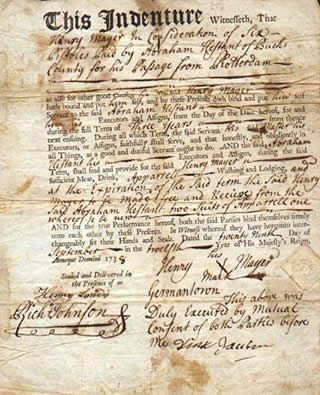
When California entered the Union as a free state in 1850, the practice of Indian indentured servitude was not outlawed until 1863. Under Mexican rule, Indians were subjected to de facto enslavement through a system of peonage by the white elite, formalizing …
📍California, CA
👤IndigenousLaborSlavery & emancipation
Read more about this entry
When California entered the Union as a free state in 1850, the practice of Indian indentured servitude was not outlawed until 1863. Under Mexican rule, Indians were subjected to de facto enslavement through a system of peonage by the white elite, formalizing the exploitation of Native Americans in the state.