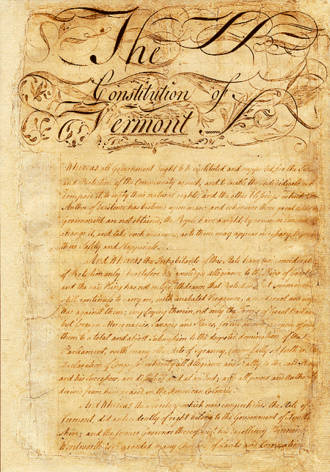
The Vermont Republic, a sovereign nation at the time, abolished slavery through its constitution, becoming the first future U.S. state to prohibit the institution. No slaves were held in Vermont after this enactment, marking an early instance of resistance to slavery in …
📍Vermont, VT
👤Slavery & emancipation
Read more about this entry
The Vermont Republic, a sovereign nation at the time, abolished slavery through its constitution, becoming the first future U.S. state to prohibit the institution. No slaves were held in Vermont after this enactment, marking an early instance of resistance to slavery in North America.
Vermont's 1777 constitution was the first in North America to prohibit adult slavery, an early—if imperfect—legal milestone against bondage in the new United States.
📍Vermont, VT
👤Slavery & emancipation
Read more about this entry
Vermont's 1777 constitution was the first in North America to prohibit adult slavery, an early—if imperfect—legal milestone against bondage in the new United States.
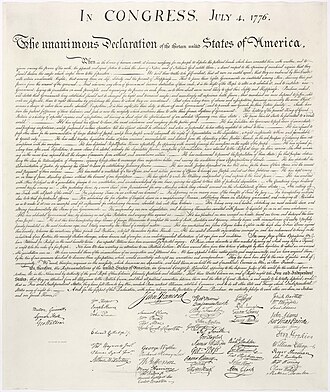
A passage in the Declaration of Independence authored by Thomas Jefferson that condemned the slave trade was removed due to pressure from southern colonies [6]. The controversial passage criticized the British crown for allowing slavery while denying freedom to colonists [6]. This …
📍Philadelphia, Pennsylvania, PA
👤Jim CrowLand & treatiesSlavery & emancipation
Read more about this entry
A passage in the Declaration of Independence authored by Thomas Jefferson that condemned the slave trade was removed due to pressure from southern colonies [6]. The controversial passage criticized the British crown for allowing slavery while denying freedom to colonists [6]. This removal demonstrated the political compromise that prioritized southern economic interests over anti-slavery principles.
The Society for the Relief of Free Negroes Unlawfully held in Bondage held its first meeting on April 14, 1775 in Philadelphia [6]. This organization became the first abolitionist meeting in North America and later evolved into the Pennsylvania Abolition Society in …
📍Philadelphia, Pennsylvania, PA
👤African AmericanJim CrowSlavery & emancipation
Read more about this entry
The Society for the Relief of Free Negroes Unlawfully held in Bondage held its first meeting on April 14, 1775 in Philadelphia [6]. This organization became the first abolitionist meeting in North America and later evolved into the Pennsylvania Abolition Society in 1784 [6]. The meeting marks the beginning of organized resistance to slavery in the American colonies.
Black soldiers, both enslaved and free, participated in the Battles of Lexington and Concord, fighting alongside colonial forces for American independence. Despite their service, Black Americans were excluded from the rights and freedoms promised by the Revolution, highlighting the contradiction between liberty …
📍Lexington, Massachusetts, MA
👤African AmericanJim CrowSlavery & emancipation
Read more about this entry
Black soldiers, both enslaved and free, participated in the Battles of Lexington and Concord, fighting alongside colonial forces for American independence. Despite their service, Black Americans were excluded from the rights and freedoms promised by the Revolution, highlighting the contradiction between liberty and slavery.
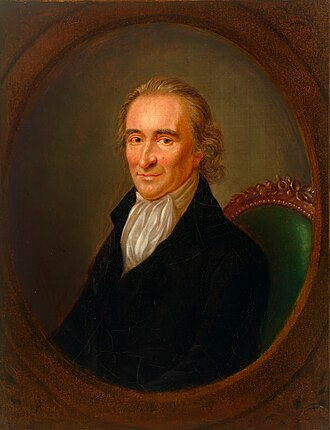
Thomas Paine published 'African Slavery in America,' one of the earliest and most influential anti-slavery essays in the United States. The pamphlet argued that slavery was morally wrong and incompatible with American ideals of liberty, influencing early abolitionist thought.
📍Philadelphia, Pennsylvania, PA
👤Jim CrowSlavery & emancipation
Read more about this entry
Thomas Paine published 'African Slavery in America,' one of the earliest and most influential anti-slavery essays in the United States. The pamphlet argued that slavery was morally wrong and incompatible with American ideals of liberty, influencing early abolitionist thought.
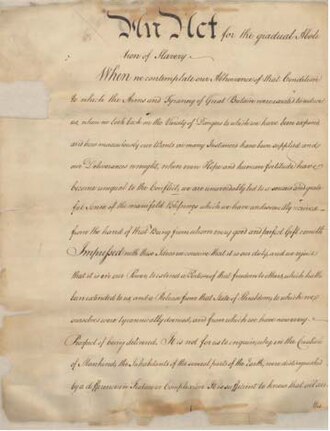
The Pennsylvania Abolition Society became the first organized anti-slavery group in the United States, working to end slavery through legal action and advocacy. The society assisted enslaved people seeking freedom and challenged the institution of slavery in court and public discourse.
📍Philadelphia, Pennsylvania, PA
👤Jim CrowSlavery & emancipation
Read more about this entry
The Pennsylvania Abolition Society became the first organized anti-slavery group in the United States, working to end slavery through legal action and advocacy. The society assisted enslaved people seeking freedom and challenged the institution of slavery in court and public discourse.
On November 7, 1775, Virginia's royal governor Lord Dunmore issued a proclamation offering freedom to enslaved people and indentured servants owned by rebels if they joined the British army. This triggered a mass exodus of approximately 1,200 to 30,000 enslaved individuals from …
On November 7, 1775, Virginia's royal governor Lord Dunmore issued a proclamation offering freedom to enslaved people and indentured servants owned by rebels if they joined the British army. This triggered a mass exodus of approximately 1,200 to 30,000 enslaved individuals from Patriot homes to British lines, causing panic among enslavers who feared revolt and resulting in the forced displacement of Black families and the eventual re-enslavement or death of many when the British evacuated.
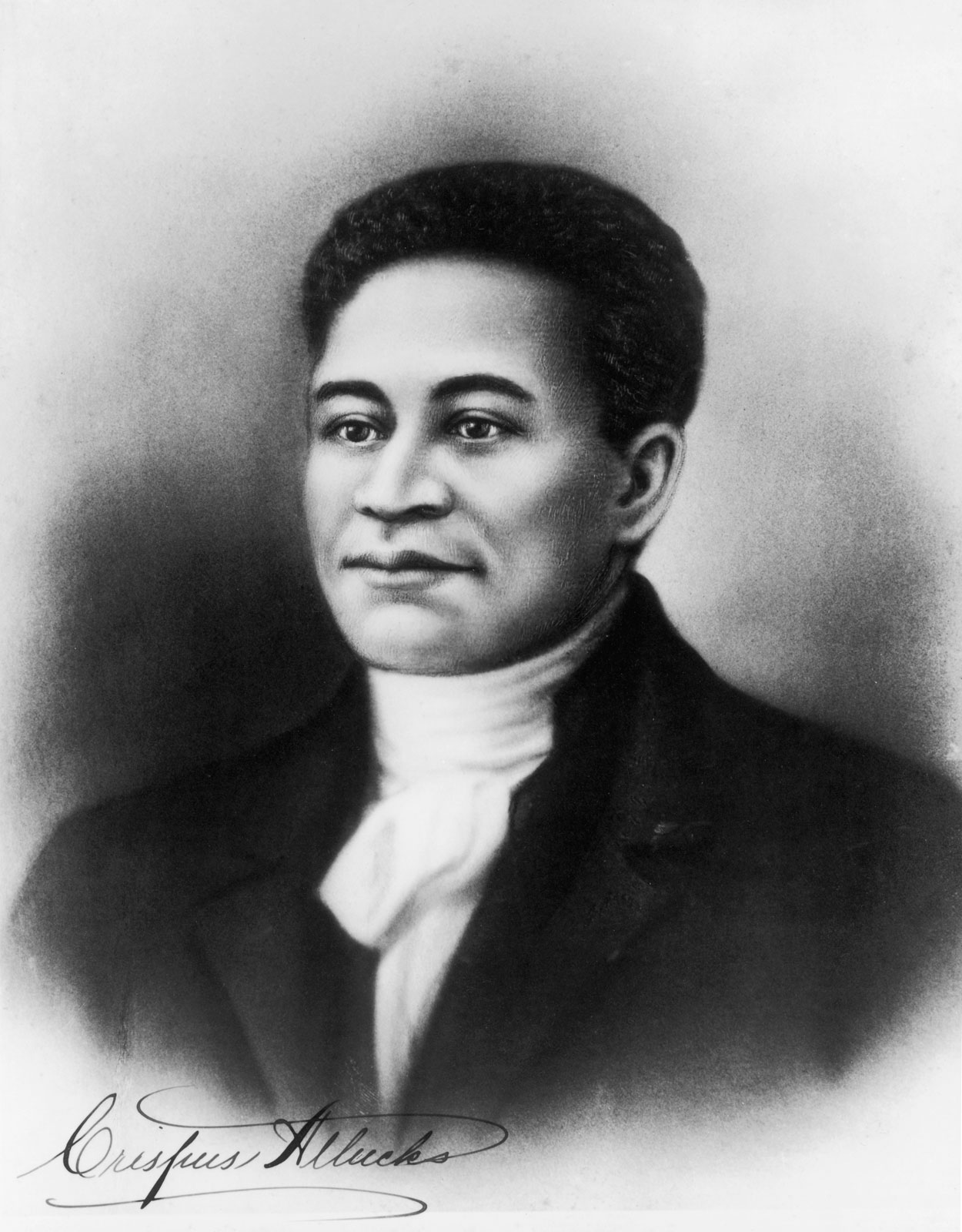
On March 5, 1770, Crispus Attucks, an ex-slave and Black laborer, was killed by British soldiers during the Boston Massacre. He is widely recognized as the first American to die in the conflict leading to the Revolutionary War, yet his racial identity …
On March 5, 1770, Crispus Attucks, an ex-slave and Black laborer, was killed by British soldiers during the Boston Massacre. He is widely recognized as the first American to die in the conflict leading to the Revolutionary War, yet his racial identity and the context of Black resistance are often omitted from standard curricula that focus solely on white patriots.