S.T.O.R.I.E.S.

Historical Timeline

Sequential Timeline of Racist Incidents, Events, and Sites

1964
1964
cultural violence

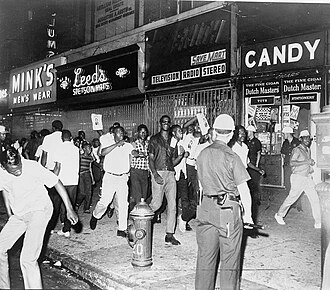
Harlem Riot of 1964

A six-day period of rioting started on July 18, 1964, in Harlem after a white off-duty police officer shot and killed an African American teenager. The rioting spread to Bedford-Stuyvesand and Brownsville in Brooklyn and to South Jamaica, Queens, resulting in the …

Harlem, New York, NY
African American Policing Racial violence
Read more about this entry
A six-day period of rioting started on July 18, 1964, in Harlem after a white off-duty police officer shot and killed an African American teenager. The rioting spread to Bedford-Stuyvesand and Brownsville in Brooklyn and to South Jamaica, Queens, resulting in the death of one person and more than 100 injuries. This uprising was part of a broader pattern of racial unrest in urban areas during the 1960s.
1964
institutional cultural policy

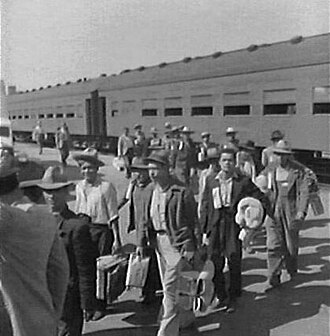
Termination of the Bracero Program

Congress ended the Bracero Program on December 31, 1964, after 22 years of operation that brought over four million migrants to work in U.S. agriculture and railroads[1][3]. The program was terminated due to factors including farm mechanization, evidence that Braceros reduced wages …

Washington, DC, DC
Labor
Read more about this entry
Congress ended the Bracero Program on December 31, 1964, after 22 years of operation that brought over four million migrants to work in U.S. agriculture and railroads[1][3]. The program was terminated due to factors including farm mechanization, evidence that Braceros reduced wages for U.S. farm workers, and political agreements to end labor competition[1][7]. Despite government guarantees of protection, many workers suffered from forced savings schemes where up to 10 percent of wages were withheld and often disappeared[8].
1963
1963
cultural violence

Birmingham Campaign and Children's Crusade

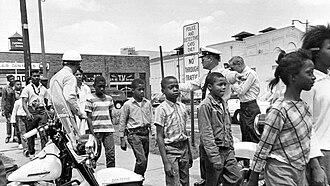
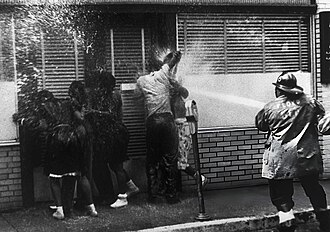
In 1963, Martin Luther King Jr. and the SCLC organized the Birmingham Campaign, which included mass demonstrations and the Children's Crusade[2][5]. Police Commissioner Eugene 'Bull' Connor used dog chains, fire hoses, and beatings against protesters, including children, while the Ku Klux Klan …

Birmingham, Alabama, AL
Policing Racial violence
Read more about this entry
In 1963, Martin Luther King Jr. and the SCLC organized the Birmingham Campaign, which included mass demonstrations and the Children's Crusade[2][5]. Police Commissioner Eugene 'Bull' Connor used dog chains, fire hoses, and beatings against protesters, including children, while the Ku Klux Klan bombed the A.G. Gaston Motel and 16th Street Baptist Church[5].
1963
cultural violence

Sixteenth Street Baptist Church Bombing

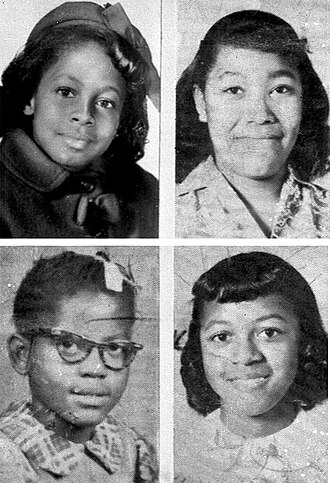
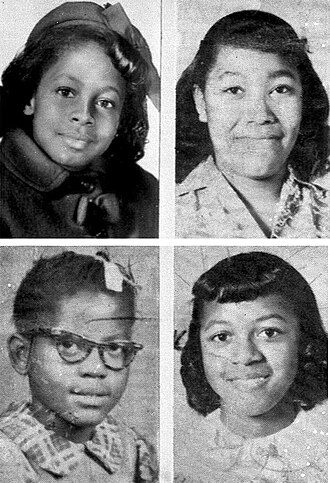
On September 15, 1963, the Sixteenth Street Baptist Church in Birmingham was bombed by white supremacists, killing four young Black girls: Addie Mae Collins, Denise McNair, Carole Robertson, and Cynthia Wesley, ages 11-14. The bombing was part of a broader campaign of …

Birmingham, Alabama, AL
African American Civil rights movement Racial violence
Read more about this entry
On September 15, 1963, the Sixteenth Street Baptist Church in Birmingham was bombed by white supremacists, killing four young Black girls: Addie Mae Collins, Denise McNair, Carole Robertson, and Cynthia Wesley, ages 11-14. The bombing was part of a broader campaign of violence against civil rights activists in Birmingham. The tragedy shocked the nation and increased support for the Civil Rights Act.
1963
institutional cultural discrimination

Birmingham Campaign

Led by Martin Luther King Jr. and the Southern Christian Leadership Conference (SCLC), this campaign used mass marches, sit-ins, and boycotts to challenge segregation in Birmingham, one of the most racially divided cities in the U.S.[12]. The violent response, including police brutality …

Birmingham, Alabama, AL
Civil rights movement Jim Crow Policing
Read more about this entry
Led by Martin Luther King Jr. and the Southern Christian Leadership Conference (SCLC), this campaign used mass marches, sit-ins, and boycotts to challenge segregation in Birmingham, one of the most racially divided cities in the U.S.[12]. The violent response, including police brutality and church bombings, drew national attention and helped spur the passage of the Civil Rights Act of 1964[12].
1963
institutional cultural violence

Birmingham Church Bombing

On September 15, the Sixteenth Street Baptist Church was bombed by white supremacists, killing four African American girls: Addie Mae Collins, Denise McNair, Carole Robertson, and Cynthia Wesley, ages 11–14. The bombing ignited national outrage and galvanized support for the civil rights …

Birmingham, Alabama, AL
African American Civil rights movement Racial violence
Read more about this entry
On September 15, the Sixteenth Street Baptist Church was bombed by white supremacists, killing four African American girls: Addie Mae Collins, Denise McNair, Carole Robertson, and Cynthia Wesley, ages 11–14. The bombing ignited national outrage and galvanized support for the civil rights movement, leading to increased pressure for federal civil rights legislation. It remains one of the most infamous acts of racial terrorism in the 1960s.
1963
institutional cultural policy

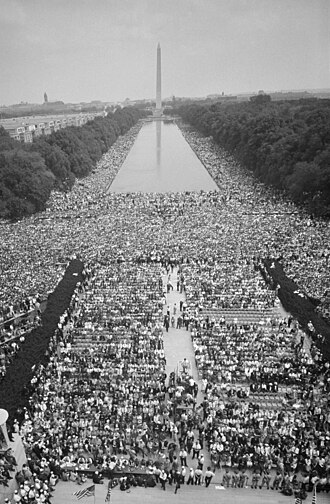
March on Washington for Jobs and Freedom (1963)

On August 28, 1963, over 250,000 people gathered in Washington, D.C. for the March on Washington, where Martin Luther King Jr. delivered his iconic 'I Have a Dream' speech[2]. The event helped galvanize public support for the Civil Rights Act of 1964 …

Washington, D.C., DC
Civil rights movement Voting rights
Read more about this entry
On August 28, 1963, over 250,000 people gathered in Washington, D.C. for the March on Washington, where Martin Luther King Jr. delivered his iconic 'I Have a Dream' speech[2]. The event helped galvanize public support for the Civil Rights Act of 1964 and the Voting Rights Act of 1965[5].
1961
1961
institutional cultural court case policy

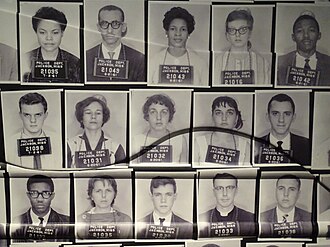
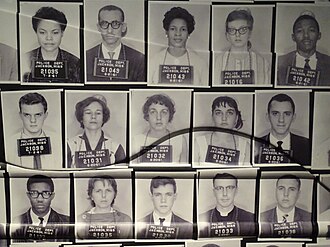
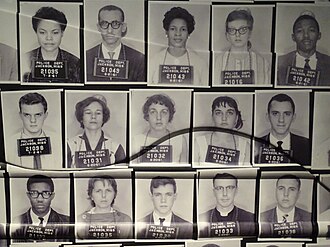
Freedom Rides

In 1961, the Student Nonviolent Coordinating Committee (SNCC) launched the Freedom Rides, where activists traveled by bus through the South to test Supreme Court rulings banning segregation in interstate travel[2][5]. The riders faced brutal violence, including bus bombings and mob attacks, particularly …

Washington, D.C. to New Orleans, DC
Civil rights movement Education & schools Jim Crow Racial violence
Read more about this entry
In 1961, the Student Nonviolent Coordinating Committee (SNCC) launched the Freedom Rides, where activists traveled by bus through the South to test Supreme Court rulings banning segregation in interstate travel[2][5]. The riders faced brutal violence, including bus bombings and mob attacks, particularly in Alabama and Mississippi, drawing national attention to the failure of federal enforcement[5].
1961
institutional discrimination

Freedom Rides

The Freedom Rides were coordinated efforts by interracial activists to challenge segregation in interstate bus travel and facilities across the South. Inspired by earlier protests, these rides faced violent retaliation but drew national attention to the persistence of Jim Crow laws and …

Multiple cities, US
Civil rights movement Jim Crow
Read more about this entry
The Freedom Rides were coordinated efforts by interracial activists to challenge segregation in interstate bus travel and facilities across the South. Inspired by earlier protests, these rides faced violent retaliation but drew national attention to the persistence of Jim Crow laws and galvanized support for federal civil rights legislation [5].
1961
institutional court case discrimination

Freedom Rides

Civil rights activists, primarily from the Student Nonviolent Coordinating Committee (SNCC), traveled through the South to test Supreme Court rulings banning segregation in interstate bus terminals[12]. The rides faced violent opposition but ultimately led to the Interstate Commerce Commission enforcing desegregation. This …

Multiple Southern States, US
Civil rights movement Education & schools Jim Crow
Read more about this entry
Civil rights activists, primarily from the Student Nonviolent Coordinating Committee (SNCC), traveled through the South to test Supreme Court rulings banning segregation in interstate bus terminals[12]. The rides faced violent opposition but ultimately led to the Interstate Commerce Commission enforcing desegregation. This campaign was a pivotal act of resistance to segregation in public transportation[12].
1960
1960
institutional policy

Greensboro Sit-Ins

Beginning in February 1960, four Black college students sat at a segregated Woolworth lunch counter in Greensboro, sparking a sit-in movement that spread across the South [5]. The protests challenged segregation in public accommodations and became a pivotal moment in the Civil …

Greensboro, North Carolina, NC
African American Civil rights movement Education & schools Jim Crow
Read more about this entry
Beginning in February 1960, four Black college students sat at a segregated Woolworth lunch counter in Greensboro, sparking a sit-in movement that spread across the South [5]. The protests challenged segregation in public accommodations and became a pivotal moment in the Civil Rights Movement [5]. Their tactics inspired widespread nonviolent resistance against Jim Crow laws [5].
1960
institutional cultural policy

Greensboro Sit-Ins

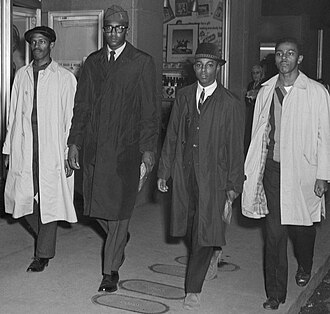
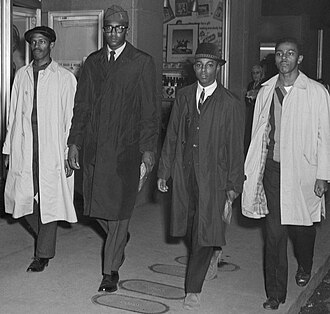
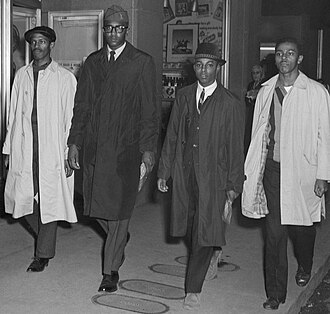
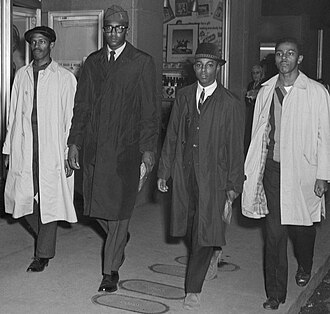
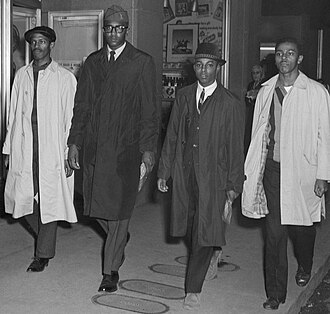
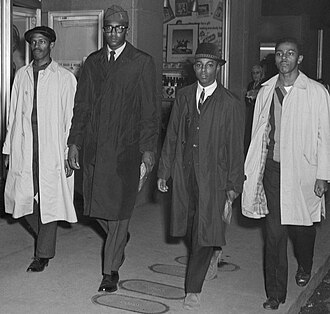
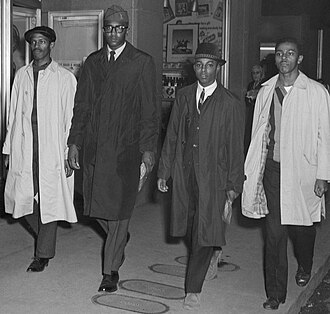
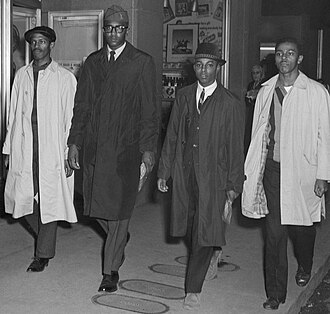
In February 1960, the Greensboro Four (Ezell Blair Jr., David Richmond, Joseph McNeil, and Franklin McCain) began sit-ing at a segregated Woolworth's lunch counter[2]. Their protest sparked the sit-in movement across the South, with thousands of young people participating in similar demonstrations …

Greensboro, North Carolina, NC
Civil rights movement Jim Crow
Read more about this entry
In February 1960, the Greensboro Four (Ezell Blair Jr., David Richmond, Joseph McNeil, and Franklin McCain) began sit-ing at a segregated Woolworth's lunch counter[2]. Their protest sparked the sit-in movement across the South, with thousands of young people participating in similar demonstrations to challenge segregation in public accommodations[2].
1960
institutional policy

Greensboro Sit-In

Four Black college students from North Carolina A&T State University staged a sit-in at a segregated Woolworth's lunch counter in Greensboro, sparking a wave of similar protests across the South. The nonviolent protest lasted 38 days and ended when the store desegregated …

Greensboro, NC
African American Civil rights movement Education & schools Jim Crow Racial violence
Read more about this entry
Four Black college students from North Carolina A&T State University staged a sit-in at a segregated Woolworth's lunch counter in Greensboro, sparking a wave of similar protests across the South. The nonviolent protest lasted 38 days and ended when the store desegregated its lunch counters. It mobilized a new generation of young activists and led to the formation of the Student Nonviolent Coordinating Committee (SNCC)[6].
1960
institutional discrimination

Greensboro Sit-Ins

Four Black college students from North Carolina Agricultural and Technical College staged a sit-in at a segregated Woolworth's lunch counter in Greensboro, challenging Jim Crow segregation policies. Their peaceful protest sparked a wave of similar sit-ins across the South, becoming a catalyst …

Greensboro, NC
African American Civil rights movement Education & schools Jim Crow
Read more about this entry
Four Black college students from North Carolina Agricultural and Technical College staged a sit-in at a segregated Woolworth's lunch counter in Greensboro, challenging Jim Crow segregation policies. Their peaceful protest sparked a wave of similar sit-ins across the South, becoming a catalyst for the broader Civil Rights Movement and demonstrating the power of nonviolent resistance [2][3][9].
1960
institutional legislation

Greensboro Sit-Ins

Four African American college students launched sit-ins at a segregated Woolworth’s lunch counter in Greensboro, sparking a wave of peaceful demonstrations across the South [9][10]. The campaign successfully desegregated the store and inspired hundreds of similar actions in over 50 cities by …

Greensboro, NC, NC
African American Civil rights movement Education & schools Jim Crow
Read more about this entry
Four African American college students launched sit-ins at a segregated Woolworth’s lunch counter in Greensboro, sparking a wave of peaceful demonstrations across the South [9][10]. The campaign successfully desegregated the store and inspired hundreds of similar actions in over 50 cities by the end of 1960 [9][10]. It revitalized the student-led civil rights movement and led to the formation of the Student Nonviolent Coordinating Committee (SNCC) [10].
1960
institutional policy

Greensboro Sit-Ins

Four Black students from North Carolina Agricultural and Technical College staged a sit-in at a segregated Woolworth's lunch counter in Greensboro, North Carolina. Although refused service, they were allowed to stay at the counter, triggering many similar nonviolent protests throughout the South. …

Greensboro, North Carolina, NC
African American Civil rights movement Education & schools Jim Crow
Read more about this entry
Four Black students from North Carolina Agricultural and Technical College staged a sit-in at a segregated Woolworth's lunch counter in Greensboro, North Carolina. Although refused service, they were allowed to stay at the counter, triggering many similar nonviolent protests throughout the South. The event inspired the founding of the Student Nonviolent Coordinating Committee (SNCC), giving young Black people a more vital role in the civil rights movement.
1960
institutional discrimination

Greensboro Sit-Ins

Four Black college students staged a sit-in at a segregated Woolworth's lunch counter, refusing to leave after being denied service. Their peaceful protest sparked a nationwide wave of sit-ins and became a catalyst for the Student Nonviolent Coordinating Committee (SNCC). The event …

Greensboro, North Carolina, NC
African American Civil rights movement Education & schools Jim Crow
Read more about this entry
Four Black college students staged a sit-in at a segregated Woolworth's lunch counter, refusing to leave after being denied service. Their peaceful protest sparked a nationwide wave of sit-ins and became a catalyst for the Student Nonviolent Coordinating Committee (SNCC). The event marked a new phase of youth-led civil rights activism.
1960
institutional policy

Greensboro Sit-Ins

Four black students from North Carolina Agricultural and Technical College staged a sit-in at a segregated Woolworth's lunch counter in Greensboro, North Carolina[9]. Although refused service, they were allowed to stay at the counter, sparking similar protests across the South[9]. This event …

Greensboro, North Carolina, NC
African American Civil rights movement Education & schools Jim Crow
Read more about this entry
Four black students from North Carolina Agricultural and Technical College staged a sit-in at a segregated Woolworth's lunch counter in Greensboro, North Carolina[9]. Although refused service, they were allowed to stay at the counter, sparking similar protests across the South[9]. This event initiated the sit-in movement that became a major tactic of the civil rights movement[9].
1960
institutional policy

Greensboro Sit-Ins (1960)

Four Black college students from North Carolina A&T staged sit-ins at a Woolworth’s lunch counter, refusing to leave until served. Their peaceful protest sparked a wave of similar demonstrations across the South and helped catalyze the Civil Rights Movement[2]. The event is …

Greensboro, North Carolina, NC
African American Civil rights movement Education & schools Jim Crow
Read more about this entry
Four Black college students from North Carolina A&T staged sit-ins at a Woolworth’s lunch counter, refusing to leave until served. Their peaceful protest sparked a wave of similar demonstrations across the South and helped catalyze the Civil Rights Movement[2]. The event is widely recognized as a pivotal moment in the struggle against segregation in public spaces.