S.T.O.R.I.E.S.

Historical Timeline

Sequential Timeline of Racist Incidents, Events, and Sites

1823
1823
institutional court case policy

Johnson v. McIntosh Decision on Indigenous Land Title

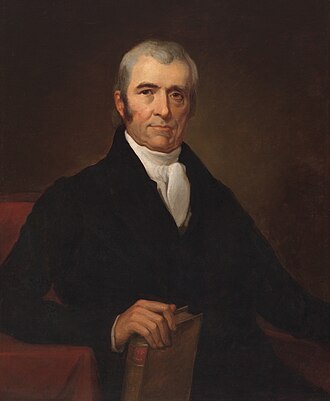
In Johnson v. McIntosh, the Supreme Court ruled that Native tribes held only 'occupancy rights' to land, not full title, and that the U.S. government acquired ultimate ownership through discovery and conquest. The decision established the 'doctrine of discovery' as federal common …

Washington, D.C., DC
Indigenous Land & treaties
Read more about this entry
In Johnson v. McIntosh, the Supreme Court ruled that Native tribes held only 'occupancy rights' to land, not full title, and that the U.S. government acquired ultimate ownership through discovery and conquest. The decision established the 'doctrine of discovery' as federal common law, denying Indigenous nations sovereignty over their ancestral territories. It remains a foundational precedent in federal Indian law that continues to affect land claims and tribal rights.
1822
1822
institutional discrimination

Denmark Vesey Slave Revolt Plot

Denmark Vesey, a freed slave, planned the largest slave revolt in U.S. history in Charleston, South Carolina, aiming to free thousands of enslaved people. The rebellion was betrayed before the plan could be carried out, leading to Vesey's execution and the deaths …

Charleston, South Carolina, SC
African American Jim Crow Slavery & emancipation
Read more about this entry
Denmark Vesey, a freed slave, planned the largest slave revolt in U.S. history in Charleston, South Carolina, aiming to free thousands of enslaved people. The rebellion was betrayed before the plan could be carried out, leading to Vesey's execution and the deaths of approximately 35 other Black people. This event intensified racial insecurity and led to stricter slave codes in South Carolina.
1820
1820
institutional legislation

Missouri Compromise and Slavery Expansion

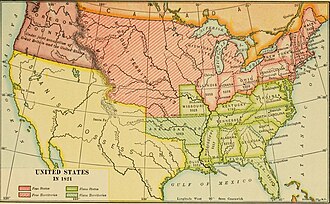
The Missouri Compromise admitted Missouri as a slave state and Maine as a free state, while prohibiting slavery north of the 36°30′ parallel in the Louisiana Territory except for Missouri. This legislation temporarily resolved sectional disputes over slavery expansion but entrenched the …

Washington, DC, DC
Slavery & emancipation
Read more about this entry
The Missouri Compromise admitted Missouri as a slave state and Maine as a free state, while prohibiting slavery north of the 36°30′ parallel in the Louisiana Territory except for Missouri. This legislation temporarily resolved sectional disputes over slavery expansion but entrenched the institution in new territories.
1819
1819
institutional cultural court case policy

Dartmouth v. Woodward and Native Land Rights

Although primarily about corporate charter rights, Supreme Court decisions in this period reinforced federal authority over Native American lands, weakening tribal sovereignty. These rulings supported the expansion of white settlement and contributed to the legal framework for Indian removal policies.

Washington, DC, DC
Indigenous Land & treaties
Read more about this entry
Although primarily about corporate charter rights, Supreme Court decisions in this period reinforced federal authority over Native American lands, weakening tribal sovereignty. These rulings supported the expansion of white settlement and contributed to the legal framework for Indian removal policies.
1804
1804
institutional legislation

New Jersey's Gradual Abolition and Persistent Bondage

New Jersey's 1804 gradual abolition law left many Black people in long-term apprenticeships; the state was among the last in the North to fully end slavery, revealing Northern complicity in bondage.

New Jersey, NJ
African American Slavery & emancipation
Read more about this entry
New Jersey's 1804 gradual abolition law left many Black people in long-term apprenticeships; the state was among the last in the North to fully end slavery, revealing Northern complicity in bondage.
1789
1789
institutional cultural legislation

Three-Fifths Clause Adopted in U.S. Constitution

The U.S. Constitution, ratified in 1789, included the Three-Fifths Clause (Article I, Section 2), counting enslaved persons as three-fifths of a person for congressional representation and taxation. This provision amplified the political power of slaveholding states while denying enslaved Black people any …

Philadelphia, Pennsylvania, PA
African American Slavery & emancipation Voting rights
Read more about this entry
The U.S. Constitution, ratified in 1789, included the Three-Fifths Clause (Article I, Section 2), counting enslaved persons as three-fifths of a person for congressional representation and taxation. This provision amplified the political power of slaveholding states while denying enslaved Black people any legal personhood or voting rights. The clause entrenched racial hierarchy in the nation's founding legal framework and remained until the 14th Amendment (1868) superseded it.
1785
1785
cultural discrimination

Founding of the First Free Black Community in New York

Following gradual abolition laws in New York, the first significant free Black community emerged in New York City, establishing churches, schools, and social organizations. Despite legal freedom, Black residents faced severe discrimination, including exclusion from public institutions and limited economic opportunities.

New York City, New York, NY
African American Education & schools Jim Crow Slavery & emancipation
Read more about this entry
Following gradual abolition laws in New York, the first significant free Black community emerged in New York City, establishing churches, schools, and social organizations. Despite legal freedom, Black residents faced severe discrimination, including exclusion from public institutions and limited economic opportunities.
1784
1784
institutional cultural legislation

Rhode Island's Slave Trade and Gradual Emancipation

Rhode Island merchants dominated the colonial slave trade even as the state passed gradual emancipation; that dual history of profit and partial freedom defines New England's entanglement with slavery.

Rhode Island, RI
Slavery & emancipation
Read more about this entry
Rhode Island merchants dominated the colonial slave trade even as the state passed gradual emancipation; that dual history of profit and partial freedom defines New England's entanglement with slavery.
1777
1777
institutional legislation

Vermont Republic Abolishes Slavery

The Vermont Republic, a sovereign nation at the time, abolished slavery through its constitution, becoming the first future U.S. state to prohibit the institution. No slaves were held in Vermont after this enactment, marking an early instance of resistance to slavery in …

Vermont, VT
Slavery & emancipation
Read more about this entry
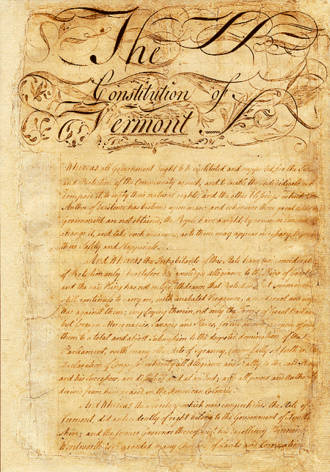
The Vermont Republic, a sovereign nation at the time, abolished slavery through its constitution, becoming the first future U.S. state to prohibit the institution. No slaves were held in Vermont after this enactment, marking an early instance of resistance to slavery in North America.
1777
institutional legislation

Vermont Constitution Bans Adult Slavery

Vermont's 1777 constitution was the first in North America to prohibit adult slavery, an early—if imperfect—legal milestone against bondage in the new United States.

Vermont, VT
Slavery & emancipation
Read more about this entry
Vermont's 1777 constitution was the first in North America to prohibit adult slavery, an early—if imperfect—legal milestone against bondage in the new United States.
1776
1776
institutional discrimination

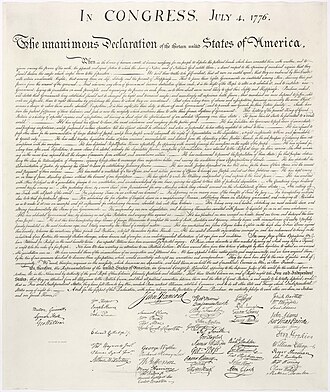
Removal of Anti-Slavery Passage from Declaration of Independence

A passage in the Declaration of Independence authored by Thomas Jefferson that condemned the slave trade was removed due to pressure from southern colonies [6]. The controversial passage criticized the British crown for allowing slavery while denying freedom to colonists [6]. This …

Philadelphia, Pennsylvania, PA
Jim Crow Land & treaties Slavery & emancipation
Read more about this entry
A passage in the Declaration of Independence authored by Thomas Jefferson that condemned the slave trade was removed due to pressure from southern colonies [6]. The controversial passage criticized the British crown for allowing slavery while denying freedom to colonists [6]. This removal demonstrated the political compromise that prioritized southern economic interests over anti-slavery principles.
1775
1775
institutional discrimination

First Abolitionist Meeting in North America

The Society for the Relief of Free Negroes Unlawfully held in Bondage held its first meeting on April 14, 1775 in Philadelphia [6]. This organization became the first abolitionist meeting in North America and later evolved into the Pennsylvania Abolition Society in …

Philadelphia, Pennsylvania, PA
African American Jim Crow Slavery & emancipation
Read more about this entry
The Society for the Relief of Free Negroes Unlawfully held in Bondage held its first meeting on April 14, 1775 in Philadelphia [6]. This organization became the first abolitionist meeting in North America and later evolved into the Pennsylvania Abolition Society in 1784 [6]. The meeting marks the beginning of organized resistance to slavery in the American colonies.
1775
cultural discrimination

Lexington and Concord: Black Soldiers Fight for Independence

Black soldiers, both enslaved and free, participated in the Battles of Lexington and Concord, fighting alongside colonial forces for American independence. Despite their service, Black Americans were excluded from the rights and freedoms promised by the Revolution, highlighting the contradiction between liberty …

Lexington, Massachusetts, MA
African American Jim Crow Slavery & emancipation
Read more about this entry
Black soldiers, both enslaved and free, participated in the Battles of Lexington and Concord, fighting alongside colonial forces for American independence. Despite their service, Black Americans were excluded from the rights and freedoms promised by the Revolution, highlighting the contradiction between liberty and slavery.
1775
institutional discrimination

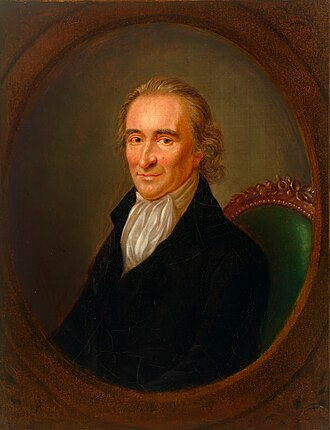
Thomas Paine Publishes 'African Slavery in America'

Thomas Paine published 'African Slavery in America,' one of the earliest and most influential anti-slavery essays in the United States. The pamphlet argued that slavery was morally wrong and incompatible with American ideals of liberty, influencing early abolitionist thought.

Philadelphia, Pennsylvania, PA
Jim Crow Slavery & emancipation
Read more about this entry
Thomas Paine published 'African Slavery in America,' one of the earliest and most influential anti-slavery essays in the United States. The pamphlet argued that slavery was morally wrong and incompatible with American ideals of liberty, influencing early abolitionist thought.
1775
institutional discrimination

Pennsylvania Abolition Society Established

The Pennsylvania Abolition Society became the first organized anti-slavery group in the United States, working to end slavery through legal action and advocacy. The society assisted enslaved people seeking freedom and challenged the institution of slavery in court and public discourse.

Philadelphia, Pennsylvania, PA
Jim Crow Slavery & emancipation
Read more about this entry
The Pennsylvania Abolition Society became the first organized anti-slavery group in the United States, working to end slavery through legal action and advocacy. The society assisted enslaved people seeking freedom and challenged the institution of slavery in court and public discourse.
1775
institutional discrimination

Lord Dunmore's Proclamation and Forced Displacement of Black Virginians

On November 7, 1775, Virginia's royal governor Lord Dunmore issued a proclamation offering freedom to enslaved people and indentured servants owned by rebels if they joined the British army. This triggered a mass exodus of approximately 1,200 to 30,000 enslaved individuals from …

Virginia, VA
African American Jim Crow Racial violence Slavery & emancipation
Read more about this entry
On November 7, 1775, Virginia's royal governor Lord Dunmore issued a proclamation offering freedom to enslaved people and indentured servants owned by rebels if they joined the British army. This triggered a mass exodus of approximately 1,200 to 30,000 enslaved individuals from Patriot homes to British lines, causing panic among enslavers who feared revolt and resulting in the forced displacement of Black families and the eventual re-enslavement or death of many when the British evacuated.
1770
1770
cultural violence

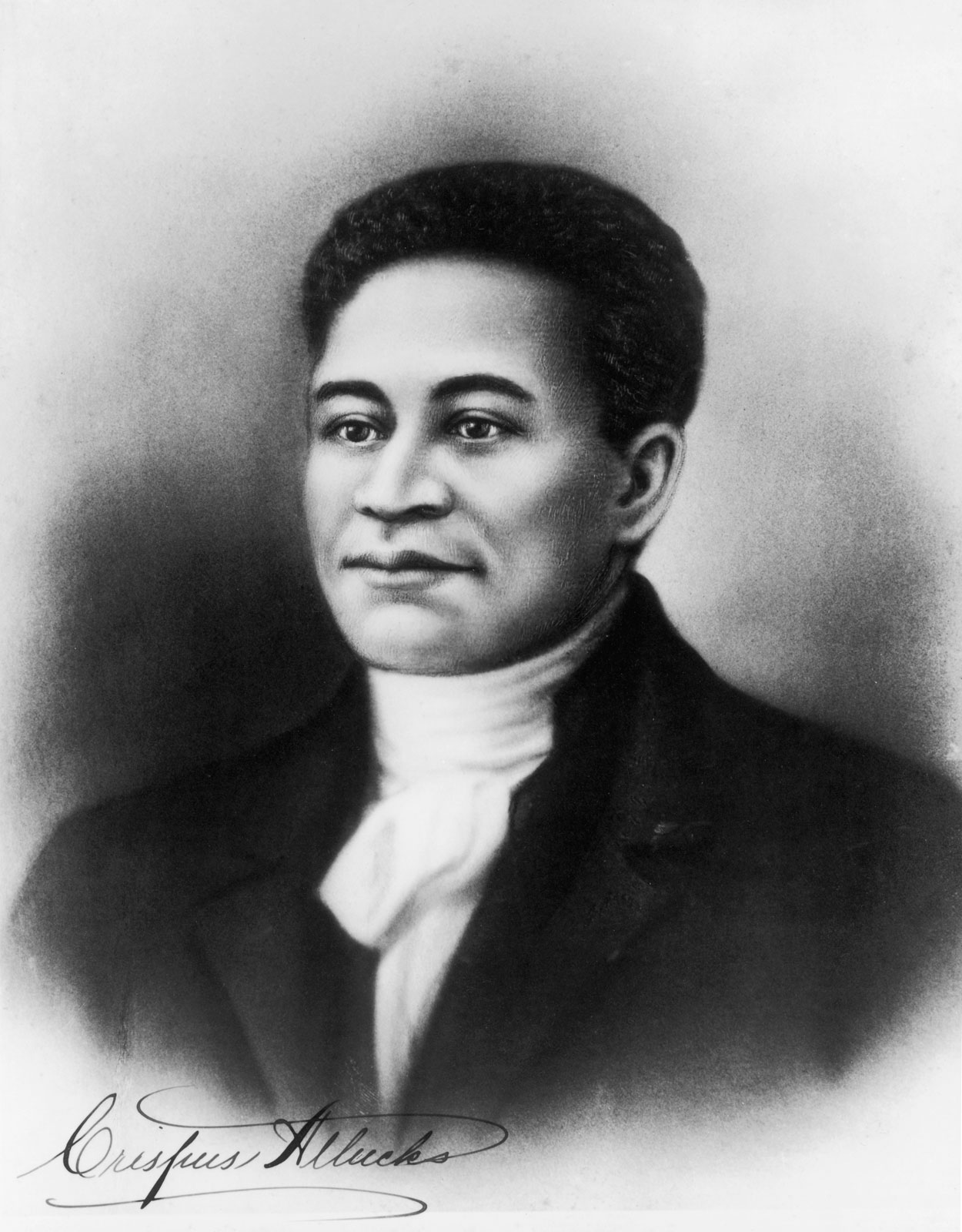
Boston Massacre and the Death of Crispus Attucks

On March 5, 1770, Crispus Attucks, an ex-slave and Black laborer, was killed by British soldiers during the Boston Massacre. He is widely recognized as the first American to die in the conflict leading to the Revolutionary War, yet his racial identity …

Boston, MA
African American Racial violence Slavery & emancipation
Read more about this entry
On March 5, 1770, Crispus Attucks, an ex-slave and Black laborer, was killed by British soldiers during the Boston Massacre. He is widely recognized as the first American to die in the conflict leading to the Revolutionary War, yet his racial identity and the context of Black resistance are often omitted from standard curricula that focus solely on white patriots.
1740
1740
institutional discrimination

Cotton Kingdom Expansion and Indigenous Displacement

By the 1740s, the expansion of cotton cultivation in South Carolina and Georgia led to increased displacement of Indigenous peoples [2]. Colonial settlers encroached on Native lands, often through violent means, to establish plantations [2]. This period marks the intensification of Indigenous …

South Carolina, Georgia, SC
Indigenous Jim Crow Slavery & emancipation
Read more about this entry
By the 1740s, the expansion of cotton cultivation in South Carolina and Georgia led to increased displacement of Indigenous peoples [2]. Colonial settlers encroached on Native lands, often through violent means, to establish plantations [2]. This period marks the intensification of Indigenous dispossession tied to the growth of the slave economy.
1739
1739
cultural violence

Stono Rebellion

The Stono Rebellion was a significant uprising by enslaved Africans in South Carolina, led by a man named Jemmy [2]. The rebelling group killed several white colonists before being defeated by colonial forces [2]. This event is one of the largest and …

South Carolina, SC
Racial violence Slavery & emancipation
Read more about this entry
The Stono Rebellion was a significant uprising by enslaved Africans in South Carolina, led by a man named Jemmy [2]. The rebelling group killed several white colonists before being defeated by colonial forces [2]. This event is one of the largest and most well-documented slave revolts in colonial America.
1733
1733
institutional cultural policy

Georgia Colony Established with Slavery Restrictions

The Georgia colony was established in 1733 with initial restrictions on slavery, aiming to create a society of small farmers [2]. However, these restrictions were soon lifted as the colony sought to expand plantation agriculture [2]. The establishment of Georgia reflects the …

Georgia, GA
Land & treaties Slavery & emancipation
Read more about this entry
The Georgia colony was established in 1733 with initial restrictions on slavery, aiming to create a society of small farmers [2]. However, these restrictions were soon lifted as the colony sought to expand plantation agriculture [2]. The establishment of Georgia reflects the evolving colonial approach to slavery and land use.
1712
1712
cultural violence

New York Slave Revolt

In 1712, enslaved Africans in New York City attempted a revolt, which was quickly suppressed by colonial authorities [2]. The revolt led to harsher slave codes and increased restrictions on enslaved people's movements and gatherings [2]. This event highlights early resistance to …

New York City, New York, NY
African American Racial violence Slavery & emancipation
Read more about this entry
In 1712, enslaved Africans in New York City attempted a revolt, which was quickly suppressed by colonial authorities [2]. The revolt led to harsher slave codes and increased restrictions on enslaved people's movements and gatherings [2]. This event highlights early resistance to slavery and the colonial response to Black uprising.
1688
1688
institutional policy

First Petition Against Slavery by Quakers in Germantown

Quakers in Germantown, Pennsylvania, presented the first formal petition against the institution of slavery in British America in 1688[3]. This early act of resistance challenged the moral and legal foundations of slavery, marking a significant moment in the history of anti-slavery advocacy[3]. …

Germantown, Pennsylvania, PA
Slavery & emancipation
Read more about this entry
Quakers in Germantown, Pennsylvania, presented the first formal petition against the institution of slavery in British America in 1688[3]. This early act of resistance challenged the moral and legal foundations of slavery, marking a significant moment in the history of anti-slavery advocacy[3]. The petition argued that slavery was unjust and inconsistent with Christian principles, setting a precedent for future resistance movements[3].
1680
1680
institutional legislation

1680 Virginia Slave Code

The 1680 Virginia Slave Code expanded restrictions on enslaved people, including prohibitions on movement and assembly[4][13]. This code prevented blacks from congregating in large numbers for funerals or feasts and required written authorization to leave a plantation[8]. It also limited time stays …

Virginia, VA
Racial violence Slavery & emancipation
Read more about this entry
The 1680 Virginia Slave Code expanded restrictions on enslaved people, including prohibitions on movement and assembly[4][13]. This code prevented blacks from congregating in large numbers for funerals or feasts and required written authorization to leave a plantation[8]. It also limited time stays at other plantations to no more than four hours, further restricting enslaved people's mobility and social connections[8].
1676
1676
cultural violence

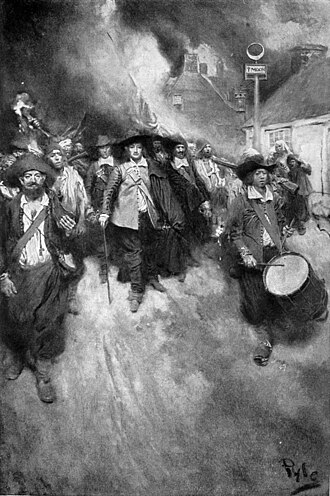
Bacon's Rebellion

Poor white former indentured servants and enslaved Africans formed an alliance against bond servitude in the first armed rebellion in American colonies [7]. The rebellion exposed tensions between colonial elites and lower-class whites while demonstrating early Black-white solidarity against oppression [7]. Although …

Virginia, VA
Racial violence Slavery & emancipation
Read more about this entry
Poor white former indentured servants and enslaved Africans formed an alliance against bond servitude in the first armed rebellion in American colonies [7]. The rebellion exposed tensions between colonial elites and lower-class whites while demonstrating early Black-white solidarity against oppression [7]. Although the rebellion failed, it led colonists to favor enslaved Africans over indentured欧洲 servants and increased racial divisions [7].