S.T.O.R.I.E.S.

Historical Timeline

Sequential Timeline of Racist Incidents, Events, and Sites

1676
1676
institutional cultural violence

Bacon's Rebellion and Racial Codification

Bacon's Rebellion, led by Nathaniel Bacon, was a violent uprising of frontiersmen against Virginia's colonial government, exacerbated by conflicts over land and racial tensions[3]. Although the rebellion was primarily about land and governance, it accelerated the colony's shift toward reliance on enslaved …

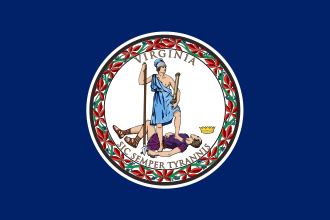
Virginia, VA
Labor Land & treaties Racial violence Slavery & emancipation
Read more about this entry
Bacon's Rebellion, led by Nathaniel Bacon, was a violent uprising of frontiersmen against Virginia's colonial government, exacerbated by conflicts over land and racial tensions[3]. Although the rebellion was primarily about land and governance, it accelerated the colony's shift toward reliance on enslaved African labor rather than indentured European servants, reinforcing racial divisions[3]. The aftermath led to stricter racial laws and the consolidation of a white elite that excluded both poor whites and enslaved Blacks[3].
1675
1675
cultural violence

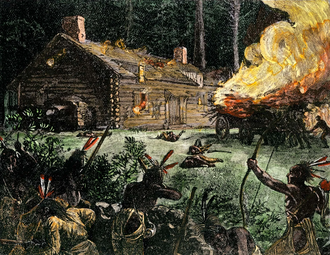
King Philip's War and Indigenous Massacre

King Philip's War, initiated by the Wampanoag leader Metacomet (King Philip), was a violent conflict between Indigenous peoples and English colonists that resulted in the deaths of thousands of Indigenous people and the destruction of many Native communities[3]. The war ended with …

Massachusetts and surrounding colonies, MA
Indigenous Racial violence Slavery & emancipation
Read more about this entry
King Philip's War, initiated by the Wampanoag leader Metacomet (King Philip), was a violent conflict between Indigenous peoples and English colonists that resulted in the deaths of thousands of Indigenous people and the destruction of many Native communities[3]. The war ended with the defeat of the Indigenous alliance, leading to the mass enslavement, displacement, and death of Indigenous peoples across New England[3]. It marked a turning point in the colonial dispossession of Indigenous lands and the consolidation of English control in the region[3].
1672
1672
institutional cultural legislation

1672 Maryland Slave Code

The 1672 Maryland Slave Code reinforced racial slavery and denied basic rights to enslaved Africans in the colony[4][9][13][15]. This code expanded upon the Virginia model by further restricting the movement and assembly of enslaved people[4][13]. It was part of a broader pattern …

Maryland, MD
Slavery & emancipation
Read more about this entry
The 1672 Maryland Slave Code reinforced racial slavery and denied basic rights to enslaved Africans in the colony[4][9][13][15]. This code expanded upon the Virginia model by further restricting the movement and assembly of enslaved people[4][13]. It was part of a broader pattern of colonial slave codes that spread across the British colonies to institutionalize racial slavery[9][15].
1664
1664
institutional legislation

Colonial Slavery Laws in Multiple Colonies

In 1664, New York, New Jersey, North Carolina, South Carolina, Maryland, and Virginia passed laws legalizing life-long servitude [2]. These laws collectively expanded the legal framework of slavery across both northern and southern colonies [2]. This widespread legislative action entrenched racial slavery …

New York, New Jersey, North Carolina, South Carolina, Virginia, Maryland, US
Slavery & emancipation
Read more about this entry
In 1664, New York, New Jersey, North Carolina, South Carolina, Maryland, and Virginia passed laws legalizing life-long servitude [2]. These laws collectively expanded the legal framework of slavery across both northern and southern colonies [2]. This widespread legislative action entrenched racial slavery as a colonial institution.
1664
institutional legislation

New York and New Jersey Legalize Slavery

In 1664, New York and New Jersey passed laws legalizing slavery, extending the institution of life-long servitude to these colonies[3]. This followed similar enactments in Maryland and Virginia, demonstrating the spread of racial slavery across the northern and southern colonies[3]. The laws …

New York and New Jersey, NY
Labor Slavery & emancipation
Read more about this entry
In 1664, New York and New Jersey passed laws legalizing slavery, extending the institution of life-long servitude to these colonies[3]. This followed similar enactments in Maryland and Virginia, demonstrating the spread of racial slavery across the northern and southern colonies[3]. The laws reinforced the colonial economy's reliance on enslaved labor and entrenched racial hierarchy in these regions[3].
1663
1663
institutional discrimination

Gloucester County Servant Rebellion Plan

Black and white indentured servants planned a rebellion in Gloucester County, Virginia, but their plans were discovered before execution [6]. Colonial authorities executed the leaders of the planned uprising, demonstrating the harsh response to any challenge against the slave system [6]. This …

Gloucester County, Virginia, VA
African American Jim Crow Slavery & emancipation
Read more about this entry
Black and white indentured servants planned a rebellion in Gloucester County, Virginia, but their plans were discovered before execution [6]. Colonial authorities executed the leaders of the planned uprising, demonstrating the harsh response to any challenge against the slave system [6]. This event represents early resistance to bondage that crossed racial lines among the oppressed.
1663
institutional legislation

Maryland Legalizes Slavery

Maryland formally legalized slavery in 1663, joining Virginia in establishing life-long servitude based on race[3]. This law confirmed that slavery was a permanent institution in the colony, aligning Maryland with the broader colonial trend toward racialized chattel slavery[3]. The enactment reflects the …

Maryland, MD
Slavery & emancipation
Read more about this entry
Maryland formally legalized slavery in 1663, joining Virginia in establishing life-long servitude based on race[3]. This law confirmed that slavery was a permanent institution in the colony, aligning Maryland with the broader colonial trend toward racialized chattel slavery[3]. The enactment reflects the spread of slavery as a legal and economic system across the Chesapeake region[3].
1662
1662
institutional legislation

Virginia Slave Act of 1662

Virginia enacted a law establishing that children born to an enslaved mother would also be enslaved, codifying race-based and hereditary enslavement. This law transformed slavery from a potentially temporary condition into a permanent, intergenerational institution based on race. It reinforced the principle …

Virginia, VA
Slavery & emancipation
Read more about this entry
Virginia enacted a law establishing that children born to an enslaved mother would also be enslaved, codifying race-based and hereditary enslavement. This law transformed slavery from a potentially temporary condition into a permanent, intergenerational institution based on race. It reinforced the principle that slavery was inherited through the mother, ensuring the growth of the enslaved population without additional imports.
1662
institutional legislation

Codification of Life-Long Servitude Across Colonies

In 1662, Maryland, New York, New Jersey, North Carolina, South Carolina, and Virginia passed laws legalizing life-long servitude [8]. These laws expanded the Virginia model of hereditary, race-based slavery across multiple colonies [8]. This coordinated legislative action institutionalized chattel slavery throughout the …

Maryland, New York, New Jersey, North Carolina, South Carolina, Virginia, US
Slavery & emancipation
Read more about this entry
In 1662, Maryland, New York, New Jersey, North Carolina, South Carolina, and Virginia passed laws legalizing life-long servitude [8]. These laws expanded the Virginia model of hereditary, race-based slavery across multiple colonies [8]. This coordinated legislative action institutionalized chattel slavery throughout the British colonies in America.
1662
institutional legislation

Virginia Enactment of Hereditary Slavery Law

Virginia passed a law establishing that children born to enslaved mothers would automatically be enslaved, codifying race-based and hereditary enslavement in the colony[3]. This legislation transformed slavery from a temporary or conditional status into a permanent, inherited condition tied to race, cementing …

Virginia, VA
Slavery & emancipation
Read more about this entry
Virginia passed a law establishing that children born to enslaved mothers would automatically be enslaved, codifying race-based and hereditary enslavement in the colony[3]. This legislation transformed slavery from a temporary or conditional status into a permanent, inherited condition tied to race, cementing the legal framework for chattel slavery[3]. It was a critical step in the evolution of slavery from indentured servitude to a rigid, racialized institution[3].
1661
1661
institutional legislation

1661 Virginia Slave Codes

The 1661 Virginia Slave Codes were the first explicit laws defining slavery as a lifelong, hereditary condition based on race[4][9][13][15][20]. These codes established the legal framework for racial slavery in the colony, cementing racism in Virginia law[9][15]. The legislation declared that children …

Virginia, VA
Slavery & emancipation
Read more about this entry
The 1661 Virginia Slave Codes were the first explicit laws defining slavery as a lifelong, hereditary condition based on race[4][9][13][15][20]. These codes established the legal framework for racial slavery in the colony, cementing racism in Virginia law[9][15]. The legislation declared that children followed the status of their mothers, rendering slavery self-perpetuating and preventing freedom through baptism[11].
1660
1660
institutional cultural discrimination

Black Children Barred from Reading and Writing

Black children were barred from learning to read and write in colonial Virginia, with their parents having no legal claim over them [3]. This educational restriction prevented enslaved people from acquiring literacy skills that could facilitate resistance or escape [3]. The policy …

Virginia, VA
African American Jim Crow Slavery & emancipation
Read more about this entry
Black children were barred from learning to read and write in colonial Virginia, with their parents having no legal claim over them [3]. This educational restriction prevented enslaved people from acquiring literacy skills that could facilitate resistance or escape [3]. The policy institutionalized intellectual oppression as part of the slave system.
1640
1638
1638
institutional cultural policy

Treaty of Hartford and Indigenous Dispossession

The Treaty of Hartford ended the Pequot War and resulted in the near-total dispossession of the Pequot people, who were forced to surrender their land and were banned from using their name or assembling in their ancestral territory[3]. This treaty marked one …

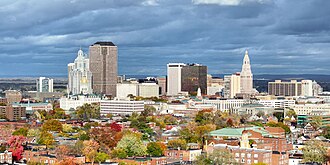
Hartford, Connecticut, CT
Indigenous Land & treaties
Read more about this entry
The Treaty of Hartford ended the Pequot War and resulted in the near-total dispossession of the Pequot people, who were forced to surrender their land and were banned from using their name or assembling in their ancestral territory[3]. This treaty marked one of the first major examples of colonial Indigenous dispossession through military conquest and legal coercion[3]. It established a precedent for future treaties that systematically stripped Indigenous nations of land and sovereignty[3].
1637
1637
cultural violence

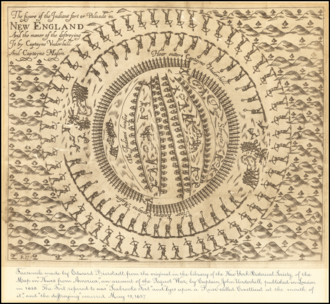
1637 Pequot War Massacre

The 1637 Pequot War ended with a massacre of Pequot people and the forced removal of survivors from their ancestral lands[5][16]. This event marked the final destruction of the Pequot tribe as a political entity in Connecticut[5]. The massacre and removal were …

Connecticut, CT
Indigenous Land & treaties Racial violence
Read more about this entry
The 1637 Pequot War ended with a massacre of Pequot people and the forced removal of survivors from their ancestral lands[5][16]. This event marked the final destruction of the Pequot tribe as a political entity in Connecticut[5]. The massacre and removal were part of the broader pattern of colonial violence against Indigenous peoples to secure land for European settlement[16].
1636
1636
cultural violence

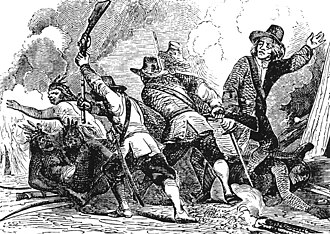
1636 Pequot War

The 1636 Pequot War resulted in the near-annihilation of the Pequot people and the confiscation of their territory in southern Connecticut[3][12]. The conflict led to the massacre of Pequot people and the forced removal of survivors, effectively ending the tribe's presence in …

Southern Connecticut, CT
Indigenous Land & treaties Racial violence
Read more about this entry
The 1636 Pequot War resulted in the near-annihilation of the Pequot people and the confiscation of their territory in southern Connecticut[3][12]. The conflict led to the massacre of Pequot people and the forced removal of survivors, effectively ending the tribe's presence in the region[5][16]. This war demonstrated the colonists' willingness to use military force to seize Native lands when treaties failed to achieve their objectives[3].
1630
1630
institutional legislation

First Race-Based Law in Massachusetts (1630)

Massachusetts enacted the first law specifically mentioning race, punishing a white man who was whipped for sleeping with a Black woman. This law marked an early legal distinction based on race in colonial America, establishing racial boundaries in intimate relationships. It represented …

Massachusetts, MA
African American
Read more about this entry
Massachusetts enacted the first law specifically mentioning race, punishing a white man who was whipped for sleeping with a Black woman. This law marked an early legal distinction based on race in colonial America, establishing racial boundaries in intimate relationships. It represented one of the earliest codifications of racial inferiority in colonial law.
1622
1622
institutional discrimination

1622 Virginia Slave Conspiracy

Enslaved Africans in Virginia planned a coordinated uprising against their captors in 1622, but the plot was discovered and suppressed before it could be executed[6][17]. This event represents one of the earliest recorded instances of organized Black resistance to slavery in colonial …

Virginia, VA
African American Jim Crow Slavery & emancipation
Read more about this entry
Enslaved Africans in Virginia planned a coordinated uprising against their captors in 1622, but the plot was discovered and suppressed before it could be executed[6][17]. This event represents one of the earliest recorded instances of organized Black resistance to slavery in colonial America[6][17]. The suppression of the conspiracy reinforced the colonists' fear of Black resistance and contributed to the tightening of control over enslaved populations[6].
1619
1619
cultural discrimination

Arrival of '20 and odd Negroes' in Jamestown

In August 1619, approximately 20 Africans arrived in the Jamestown colony aboard the ship White Lion and were exchanged by the captain for food and supplies[1][7]. While some historians argue these individuals were initially indentured servants rather than slaves, their arrival marks …

Jamestown, Virginia, VA
African American Jim Crow Slavery & emancipation
Read more about this entry
In August 1619, approximately 20 Africans arrived in the Jamestown colony aboard the ship White Lion and were exchanged by the captain for food and supplies[1][7]. While some historians argue these individuals were initially indentured servants rather than slaves, their arrival marks the beginning of African presence in English colonial America and the eventual institutionalization of race-based slavery[1][4]. This event is widely cited as the starting point of slavery in the United States, though scholarly debate exists regarding their exact legal status at the time[4].
1607
1607
cultural violence

Indigenous Dispossession Through Colonial Expansion

Jamestown, Virginia was founded as the first permanent English settlement in the Americas, initiating systematic Indigenous dispossession [7]. The establishment of English colonies led to the displacement of Native peoples from their ancestral lands throughout the colonial period [7]. This event marked …

Jamestown, Virginia, VA
Indigenous Land & treaties Racial violence
Read more about this entry
Jamestown, Virginia was founded as the first permanent English settlement in the Americas, initiating systematic Indigenous dispossession [7]. The establishment of English colonies led to the displacement of Native peoples from their ancestral lands throughout the colonial period [7]. This event marked the beginning of centuries of Indigenous land loss and cultural destruction in colonial America.