S.T.O.R.I.E.S.

Historical Timeline

Sequential Timeline of Racist Incidents, Events, and Sites

1866
1866
institutional cultural violence

Memphis Massacre

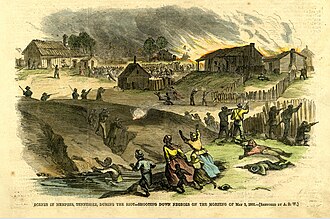
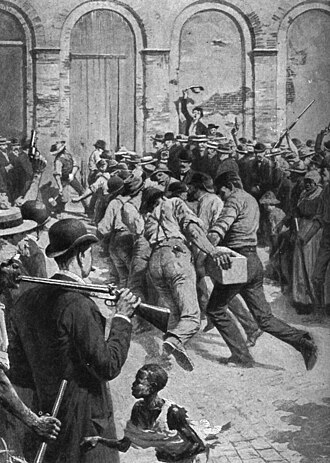
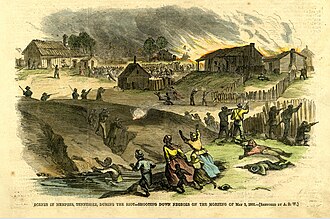
From May 1–3, 1866, a white riot in Memphis targeted Black residents, especially freedmen and Black Union soldiers, resulting in 46 deaths, including five women, and numerous injuries and sexual assaults. The violence destroyed Black homes, churches, and schools, and was fueled …

Memphis, Tennessee, TN
African American Education & schools Labor Racial violence
Read more about this entry
From May 1–3, 1866, a white riot in Memphis targeted Black residents, especially freedmen and Black Union soldiers, resulting in 46 deaths, including five women, and numerous injuries and sexual assaults. The violence destroyed Black homes, churches, and schools, and was fueled by racial resentment and political tensions over Reconstruction. Federal troops eventually restored order, but the event highlighted the vulnerability of Black communities.
1866
institutional cultural violence

New Orleans Race Riot

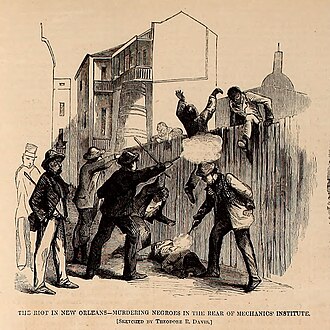
On July 30, 1866, a white mob attacked African American voters and Republican supporters in New Orleans during a parade, killing at least 37 Black people and 3 white allies. The riot was orchestrated to suppress Black political participation and intimidate Reconstruction …

New Orleans, Louisiana, LA
African American Racial violence Voting rights
Read more about this entry
On July 30, 1866, a white mob attacked African American voters and Republican supporters in New Orleans during a parade, killing at least 37 Black people and 3 white allies. The riot was orchestrated to suppress Black political participation and intimidate Reconstruction activists. Federal authorities failed to adequately protect victims or prosecute perpetrators.
1866
cultural violence

Memphis Massacre of 1866

White police and civilians attacked Black communities in Memphis after the Civil War, killing dozens and burning schools and churches—an early Reconstruction-era massacre.

Memphis, Tennessee, TN
African American Education & schools Policing Racial violence
Read more about this entry
White police and civilians attacked Black communities in Memphis after the Civil War, killing dozens and burning schools and churches—an early Reconstruction-era massacre.
1866
institutional discrimination

Northern Free-State Racial Hierarchy in New Hampshire

Though New Hampshire never had a large enslaved population, Black residents faced legal disabilities and social exclusion well into the nineteenth century, illustrating that Northern "free" states still practiced racial hierarchy.

New Hampshire, NH
African American Jim Crow Slavery & emancipation
Read more about this entry
Though New Hampshire never had a large enslaved population, Black residents faced legal disabilities and social exclusion well into the nineteenth century, illustrating that Northern "free" states still practiced racial hierarchy.
1865
1865
institutional legislation

Enactment of Black Codes

Southern state legislatures enacted Black Codes in autumn 1865, restricting freedpeople's rights to work, move freely, and own property. These laws effectively forced Black Americans into dependent plantation labor, reinstating slavery under a different name and confirming white supremacy in post-Civil War …

Multiple Southern States, US
African American Labor Slavery & emancipation
Read more about this entry
Southern state legislatures enacted Black Codes in autumn 1865, restricting freedpeople's rights to work, move freely, and own property. These laws effectively forced Black Americans into dependent plantation labor, reinstating slavery under a different name and confirming white supremacy in post-Civil War America.
1865
cultural violence

Lincoln Assassinated

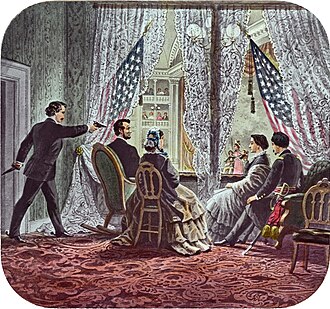
President Abraham Lincoln was assassinated on April 14, 1865, by John Wilkes Booth just days after the Civil War ended.[2][8] His death removed a leader committed to a more moderate Reconstruction plan and allowed more radical segregationist policies to gain traction under …

Washington, DC, DC
Jim Crow Racial violence
Read more about this entry
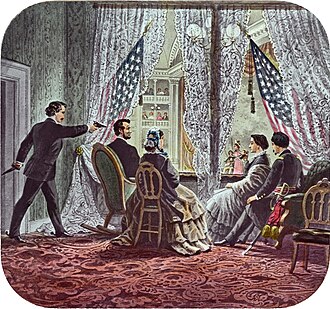
President Abraham Lincoln was assassinated on April 14, 1865, by John Wilkes Booth just days after the Civil War ended.[2][8] His death removed a leader committed to a more moderate Reconstruction plan and allowed more radical segregationist policies to gain traction under Acting President Andrew Johnson.[2]
1865
cultural violence

Reconstruction Era Lynchings Begin

Between 1865 and 1877, at least 2,000 Black women, men, and children were victims of racial terror lynchings across the former Confederacy. Thousands more were assaulted, raped, or injured in racial terror attacks by white mobs and individuals shielded from arrest. This …

Southern States, US
African American Racial violence Voting rights
Read more about this entry
Between 1865 and 1877, at least 2,000 Black women, men, and children were victims of racial terror lynchings across the former Confederacy.
Thousands more were assaulted, raped, or injured in racial terror attacks by white mobs and individuals shielded from arrest.
This systematic violence was directed at suppressing Black voters, politicos, and anyone deemed a threat to white supremacy.
1865
institutional legislation

13th Amendment to the U.S. Constitution

The 13th Amendment, ratified on December 6, 1865, abolished slavery and involuntary servitude in the United States, except as punishment for a crime. It was the first of the Reconstruction Amendments and legally ended chattel slavery nationwide. This landmark legislation fulfilled a …

Washington, DC, DC
Slavery & emancipation
Read more about this entry
The 13th Amendment, ratified on December 6, 1865, abolished slavery and involuntary servitude in the United States, except as punishment for a crime. It was the first of the Reconstruction Amendments and legally ended chattel slavery nationwide. This landmark legislation fulfilled a central goal of the abolition movement.
1865
institutional policy

Mississippi Black Code Passage

Mississippi passed the first Black Codes after the 13th Amendment abolished slavery, restricting the rights of freedmen through laws requiring labor contracts, prohibiting property ownership, and enforcing vagrancy penalties. These laws were quickly adopted by other Southern states to maintain racial control[10].

Jackson, Mississippi, MS
African American Labor Slavery & emancipation
Read more about this entry
Mississippi passed the first Black Codes after the 13th Amendment abolished slavery, restricting the rights of freedmen through laws requiring labor contracts, prohibiting property ownership, and enforcing vagrancy penalties. These laws were quickly adopted by other Southern states to maintain racial control[10].
1865
institutional discrimination

Black Codes Enacted Across Southern States

Between 1865 and 1867, Southern state legislatures dominated by former Confederates enacted Black Codes that severely restricted freedpeople's rights. These laws barred Black Americans from voting, holding office, serving on juries, owning firearms, or attending public schools, while forcing them into coercive …

Multiple Southern States, US
African American Education & schools Jim Crow Labor Slavery & emancipation
Read more about this entry
Between 1865 and 1867, Southern state legislatures dominated by former Confederates enacted Black Codes that severely restricted freedpeople's rights. These laws barred Black Americans from voting, holding office, serving on juries, owning firearms, or attending public schools, while forcing them into coercive labor contracts. The codes aimed to reestablish white supremacy and mimic slavery conditions under a new legal framework.
1865
institutional legislation

Thirteenth Amendment Ratified

The Thirteenth Amendment to the U.S. Constitution was passed by Congress, outlawing slavery and involuntary servitude except as punishment for crime [9]. This amendment formally ended the legal institution of chattel slavery that had defined American racial hierarchy for centuries [1]. It …

Washington, DC, DC
African American Slavery & emancipation
Read more about this entry
The Thirteenth Amendment to the U.S. Constitution was passed by Congress, outlawing slavery and involuntary servitude except as punishment for crime [9]. This amendment formally ended the legal institution of chattel slavery that had defined American racial hierarchy for centuries [1]. It was the first of the Reconstruction Amendments, establishing the constitutional foundation for Black freedom and citizenship rights.
1865
institutional cultural violence

Racial Terror Lynchings During Reconstruction

Between 1865 and 1877, at least 2,000 Black women, men, and children were victims of racial terror lynchings across the Southern United States. Thousands more were assaulted, raped, or injured in racial terror attacks by white mobs and individuals shielded from arrest. …

Southern United States, US
African American Racial violence Slavery & emancipation
Read more about this entry
Between 1865 and 1877, at least 2,000 Black women, men, and children were victims of racial terror lynchings across the Southern United States. Thousands more were assaulted, raped, or injured in racial terror attacks by white mobs and individuals shielded from arrest. This reign of terror, organized by emboldened Confederate veterans and former enslavers, effectively nullified constitutional amendments designed to provide equal protection.
1865
institutional legislation

Mississippi Black Codes

In late 1865, Mississippi enacted the first of the Black Codes, laws designed to reestablish white supremacy and force freed slaves back into plantation labor under conditions similar to slavery. These codes severely limited the rights of former slaves, including restrictions on …

Mississippi, MS
African American Labor Slavery & emancipation
Read more about this entry
In late 1865, Mississippi enacted the first of the Black Codes, laws designed to reestablish white supremacy and force freed slaves back into plantation labor under conditions similar to slavery. These codes severely limited the rights of former slaves, including restrictions on movement, employment, and property ownership. Similar laws were quickly adopted across other Southern states.
1865
cultural violence

Lincoln's Assassination

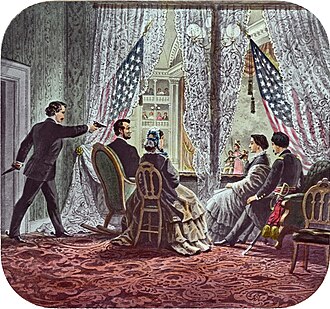
President Abraham Lincoln was assassinated on April 14, 1865, by John Wilkes Booth at Ford's Theatre, dying the following day. His death removed a leader who had advocated for gradual reconciliation and potentially moderate Reconstruction policies, leading to the more radical and …

Washington, DC, DC
African American Civil rights movement Racial violence
Read more about this entry
President Abraham Lincoln was assassinated on April 14, 1865, by John Wilkes Booth at Ford's Theatre, dying the following day. His death removed a leader who had advocated for gradual reconciliation and potentially moderate Reconstruction policies, leading to the more radical and ultimately unsustainable policies under Andrew Johnson. This event profoundly altered the trajectory of Reconstruction and Black civil rights.
1865
institutional court case policy

Complicity of President Johnson in Land Reversal

President Andrew Johnson issued executive orders in late 1865 that reversed Sherman’s Field Order No. 15, returning most confiscated land to former Confederate owners despite promises to freedpeople. This policy decision undermined economic justice for Black Americans and signaled federal abandonment of …

Washington, DC, DC
African American Land & treaties
Read more about this entry
President Andrew Johnson issued executive orders in late 1865 that reversed Sherman’s Field Order No. 15, returning most confiscated land to former Confederate owners despite promises to freedpeople. This policy decision undermined economic justice for Black Americans and signaled federal abandonment of Reconstruction ideals. Johnson’s actions aligned with Southern elites and accelerated the rise of Black Codes.
1865
institutional cultural violence

Lincoln's Assassination

President Abraham Lincoln was assassinated by John Wilkes Booth on April 14, 1865, at Ford’s Theater in Washington, DC, just six days after General Lee’s surrender. His death removed a leader who had advocated for gradual Reconstruction with some protections for freedpeople, …

Washington, DC, DC
Racial violence
Read more about this entry
President Abraham Lincoln was assassinated by John Wilkes Booth on April 14, 1865, at Ford’s Theater in Washington, DC, just six days after General Lee’s surrender. His death removed a leader who had advocated for gradual Reconstruction with some protections for freedpeople, and his successor Andrew Johnson pursued a more lenient policy toward the South. The assassination intensified racial and political tensions during the early Reconstruction period.
1865
institutional policy

Field Order No. 15 (Forty Acres and a Mule)

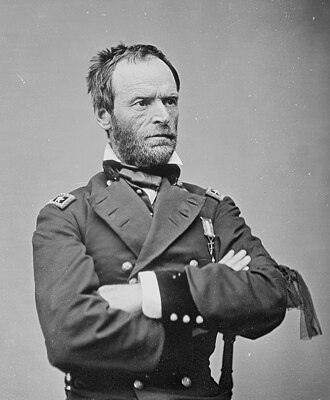
General William Tecumseh Sherman issued Field Order No. 15 on January 16, 1865, redistributing approximately 400,000 acres of confiscated Confederate land to freed Black families in 40-acre plots. The Freedmen’s Bureau later granted legal title to many of these plots, marking the …

Lowcountry, Georgia and South Carolina, GA
African American Land & treaties Slavery & emancipation
Read more about this entry
General William Tecumseh Sherman issued Field Order No. 15 on January 16, 1865, redistributing approximately 400,000 acres of confiscated Confederate land to freed Black families in 40-acre plots. The Freedmen’s Bureau later granted legal title to many of these plots, marking the first major federal attempt at land redistribution to formerly enslaved people. The policy was reversed by President Andrew Johnson later in 1865, returning most land to its previous owners.
1865
institutional court case legislation

13th Amendment Abolishes Slavery

The 13th Amendment to the U.S. Constitution, ratified December 6, 1865, abolished slavery and involuntary servitude, except as punishment for a crime. It overturned the Dred Scott decision and the Three-Fifths Clause, granting formal legal freedom to over 4 million enslaved Black …

Washington, D.C., DC
African American Incarceration & camps Labor Slavery & emancipation
Read more about this entry
The 13th Amendment to the U.S. Constitution, ratified December 6, 1865, abolished slavery and involuntary servitude, except as punishment for a crime. It overturned the Dred Scott decision and the Three-Fifths Clause, granting formal legal freedom to over 4 million enslaved Black people. The 'except... punishment' clause later enabled convict leasing and prison labor systems that disproportionately targeted Black Americans.
1864
1864
institutional cultural violence

Fort Pillow Massacre

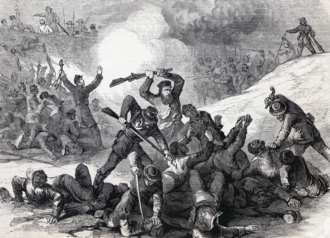
On April 12, 1864, during the American Civil War, Confederate soldiers slaughtered surrendering African American Federal troops stationed at Fort Pillow, Tennessee. The massacre was a direct result of racial hatred and the Confederate policy of treating Black soldiers as criminals rather …

Fort Pillow, Tennessee, TN
African American Racial violence
Read more about this entry
On April 12, 1864, during the American Civil War, Confederate soldiers slaughtered surrendering African American Federal troops stationed at Fort Pillow, Tennessee. The massacre was a direct result of racial hatred and the Confederate policy of treating Black soldiers as criminals rather than legitimate combatants. This event stands as one of the most notorious incidents of racial violence during the Civil War.
1864
cultural violence

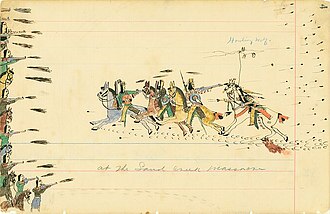
Sand Creek Massacre

On November 29, 1864, the Third Colorado Cavalry of the U.S. Army attacked a camp of Cheyenne and Arapaho people seeking Army protection, killing and mutilating as many as 600 Native Americans. About two-thirds of the victims were women and children. The …

Southeastern Colorado Territory, CO
Indigenous Racial violence
Read more about this entry
On November 29, 1864, the Third Colorado Cavalry of the U.S. Army attacked a camp of Cheyenne and Arapaho people seeking Army protection, killing and mutilating as many as 600 Native Americans. About two-thirds of the victims were women and children. The massacre is also known as the Chivington massacre or the Battle of Sand Creek.
1864
cultural violence

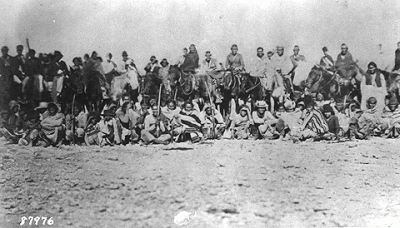
Long Walk of the Navajo

U.S. forces forcibly marched Navajo (Diné) people hundreds of miles to Bosque Redondo internment, causing immense death and suffering before survivors returned under the 1868 treaty.

Bosque Redondo / New Mexico Territory, NM
Incarceration & camps Indigenous Land & treaties Racial violence
Read more about this entry
U.S. forces forcibly marched Navajo (Diné) people hundreds of miles to Bosque Redondo internment, causing immense death and suffering before survivors returned under the 1868 treaty.
1863
1863
institutional legislation

Emancipation Proclamation

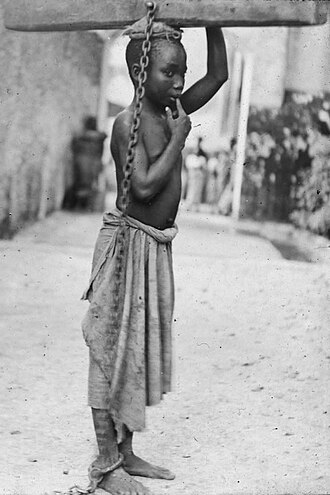
President Abraham Lincoln signs the Emancipation Proclamation on January 1, 1863, declaring that all enslaved people in Confederate states 'henceforth shall be free.' The order applies to approximately 3.5 million enslaved Africans in rebelling territories, though it does not immediately free those …

Washington, DC, US
Labor Slavery & emancipation
Read more about this entry
President Abraham Lincoln signs the Emancipation Proclamation on January 1, 1863, declaring that all enslaved people in Confederate states 'henceforth shall be free.' The order applies to approximately 3.5 million enslaved Africans in rebelling territories, though it does not immediately free those in Union-held areas or states that had not joined the Confederacy[6][7].
1863
institutional legislation

Emancipation Proclamation

President Abraham Lincoln issued the Emancipation Proclamation, declaring all enslaved people in Confederate states to be free as Union armies advanced. This executive order transformed the Civil War into a fight against slavery and paved the way for the Thirteenth Amendment. It …

Washington, DC, DC
Labor Slavery & emancipation
Read more about this entry
President Abraham Lincoln issued the Emancipation Proclamation, declaring all enslaved people in Confederate states to be free as Union armies advanced. This executive order transformed the Civil War into a fight against slavery and paved the way for the Thirteenth Amendment. It marked the first major federal action toward ending chattel slavery in the United States.
1863
institutional legislation

Emancipation Proclamation

President Abraham Lincoln issued the Emancipation Proclamation, declaring that all enslaved persons in Confederate states 'shall be then, thenceforward, and forever free.' While it did not end slavery everywhere immediately, it transformed the Civil War into a fight against slavery and paved …

Washington, DC, DC
African American Labor Slavery & emancipation
Read more about this entry
President Abraham Lincoln issued the Emancipation Proclamation, declaring that all enslaved persons in Confederate states 'shall be then, thenceforward, and forever free.' While it did not end slavery everywhere immediately, it transformed the Civil War into a fight against slavery and paved the way for the 13th Amendment. Over 200,000 Black men later joined the Union Army and Navy.