Berea College v. Kentucky
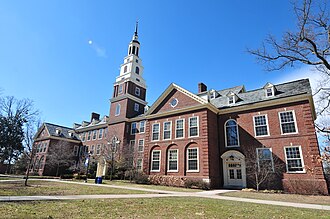
The U.S. Supreme Court upheld Kentucky's Day Law barring integrated education at Berea College, reinforcing Jim Crow schooling until later civil rights victories overturned such segregation statutes.
S.T.O.R.I.E.S.
Sequential Timeline of Racist Incidents, Events, and Sites
The U.S. Supreme Court upheld Kentucky's Day Law barring integrated education at Berea College, reinforcing Jim Crow schooling until later civil rights victories overturned such segregation statutes.
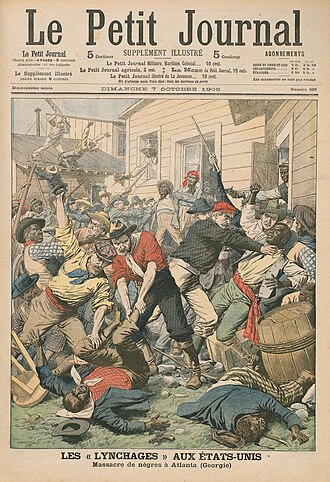
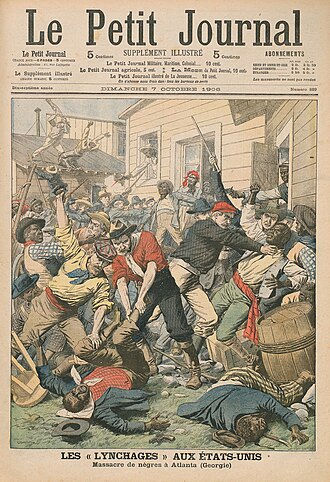
A four-day riot erupted following false allegations of Black men assaulting white women, fueled by sensationalist newspaper coverage. At least 10 Black residents and 2 white residents were killed, with extensive property damage in Black neighborhoods. The violence marked a significant escalation …
False newspaper accusations of Black assaults triggered days of white mob violence in Atlanta, killing dozens of Black residents and devastating Black businesses and neighborhoods.
The U.S. Congress extended the Chinese Exclusion Act indefinitely and added new restrictions on Chinese immigrants, including mandatory registration and denial of naturalization. This legislative action entrenched racial exclusion in federal immigration policy. It marked the formalization of anti-Asian racism in national …
White miners attacked and killed at least 10 Chinese and Native Alaskan laborers in Fairbanks after a dispute over wages and living conditions. The incident exemplified racial violence against Asian and Indigenous workers in the Pacific Northwest and Alaska during the early …
Buxton was a rare integrated coal-mining town where Black workers held skilled jobs and civic roles; its later disappearance illustrates how economic change and segregation erased such communities.
George White, a Black man accused of assaulting a white woman, was brutally lynched by a mob near Wilmington, NC. The event sparked national condemnation and led preacher Montrose Thornton to call for Black self-defense. It exemplified the horrific scale of lynching …
Despite the Homestead Act, Black settlers attempting to claim land in Oklahoma Territory faced systematic exclusion and violent intimidation from white settlers and local officials. Many were denied land allotments or forced off claims through racial violence. This reflected the broader pattern …
A premeditated white mob killed as many as 60 Black Americans to eliminate African American participation in government and permanently disenfranchise Black citizens in North Carolina. This event was the culmination of an organized statewide campaign to overthrow the fusion government of …
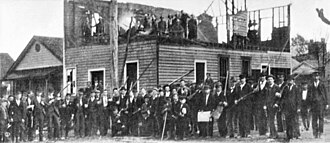
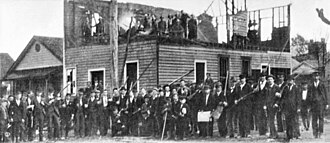
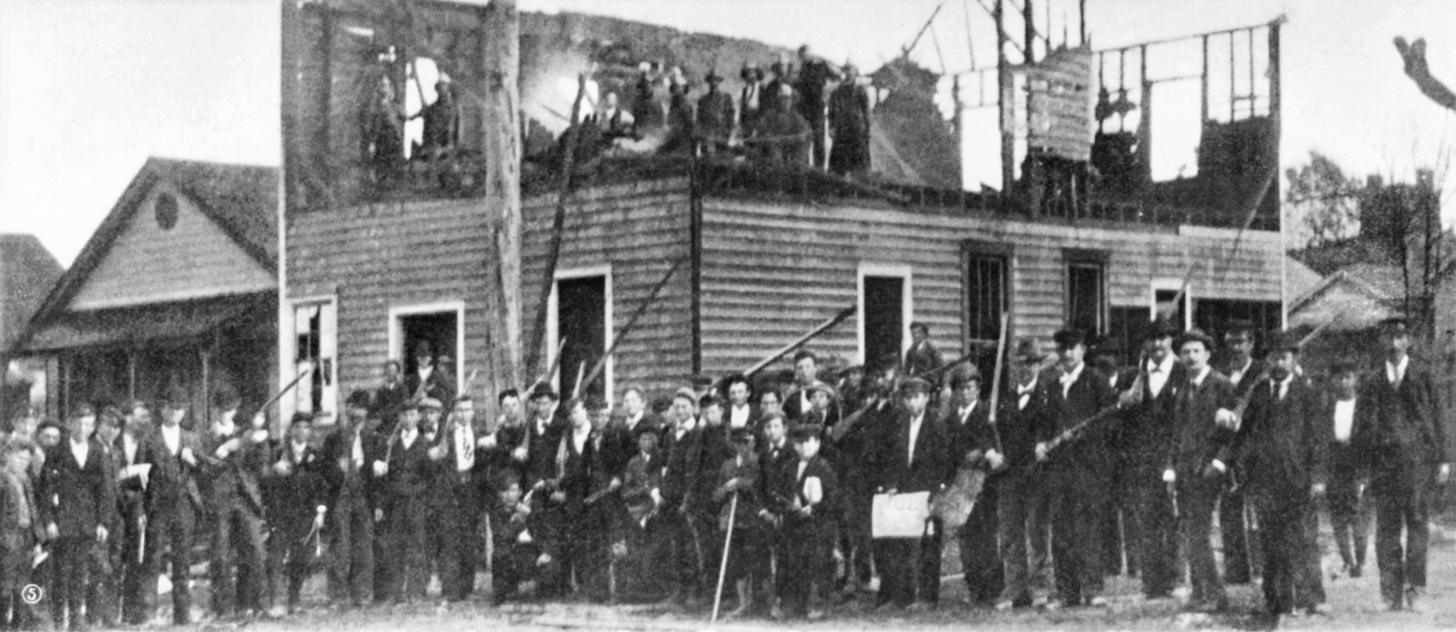
On November 10, 1898, a white supremacist mob of approximately 2,000 men overthrew the legally elected mixed-race Fusionist government in Wilmington, North Carolina, marking the only successful coup d'état in U.S. history[1][2]. The violence included the destruction of the city's only Black …
White supremacists overthrew Wilmington's biracial government, murdered Black residents, and expelled leaders—the only successful coup d'état in U.S. history.
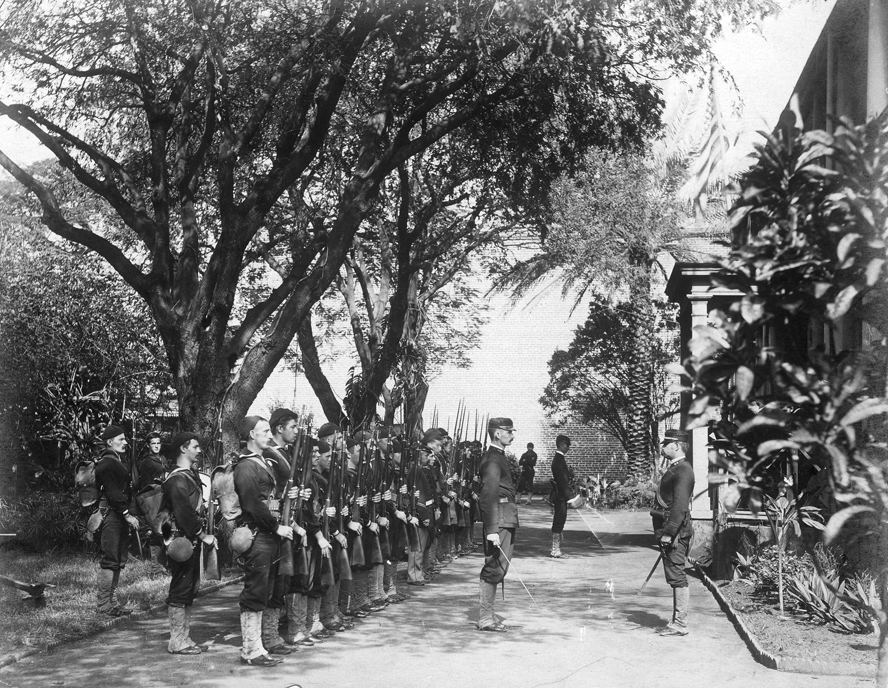
American businessmen and U.S. Marines overthrew Queen Liliʻuokalani, paving the way for annexation; the United States later apologized for the illegal overthrow in the 1993 Apology Resolution.
Homer Plessy's challenge to segregated rail cars led to the Supreme Court's 1896 "separate but equal" doctrine, constitutionalizing Jim Crow for generations.
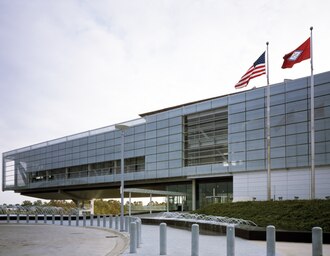
Arkansas passed a law requiring all state buses to designate whites-only seating areas, extending Jim Crow segregation to motorized public transportation. This legislation followed similar railroad segregation laws and reflected the expanding scope of racial segregation mandates. The law was part of …
Louisiana passed the Separate Car Act, requiring equal but separate accommodations for white and Black passengers on railroads. This law directly led to the Plessy v. Ferguson case when Homer Plessy challenged it. The act was part of a broader wave of …
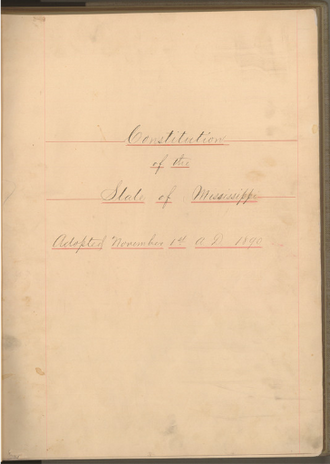
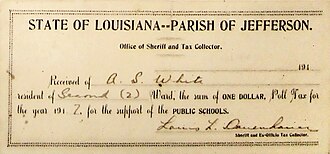
Mississippi adopted a new state constitution designed to disenfranchise African American voters through poll taxes, literacy tests, and other arbitrary devices. This was the first of several southern states to implement such measures between 1890 and 1908, effectively removing most Black voters …
Mississippi passed a new constitution effectively disenfranchising most Black citizens through poll taxes, literacy tests, and complex record-keeping requirements. This was the first of ten former Confederate states to adopt such measures between 1890 and 1910. The law marked the systematic beginning …
By 1890, most Southern states had enacted or strengthened laws banning marriage between Black and white individuals, reinforcing racial segregation in family life [7]. These laws were part of a broader Jim Crow framework to maintain racial purity and social hierarchy [7].
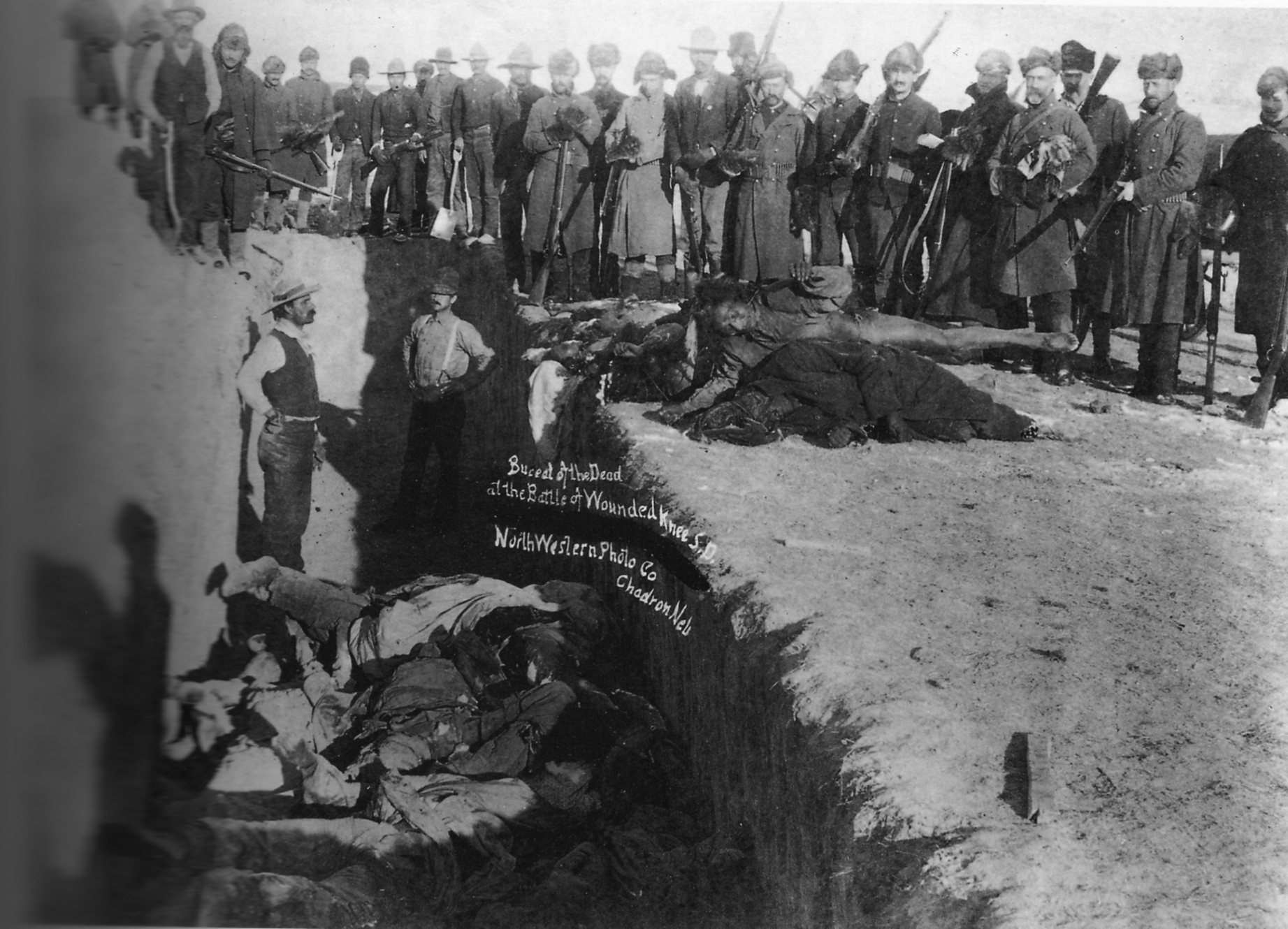
U.S. troops killed hundreds of Lakota men, women, and children at Wounded Knee Creek, a defining atrocity of the Indian Wars era.
Georgia passed a new constitution implementing literacy tests and poll taxes to disenfranchise Black voters, following Mississippi’s 1890 model. These measures were applied selectively to exclude African Americans while often exempting poor whites through exemptions. The law drastically reduced Black voting rates …
The Dawes Act (Indian Appropriations Act of 1887) authorized the federal government to divide Native American tribal lands into individual allotments, breaking up communal land ownership. This policy aimed to assimilate Indigenous peoples by forcing them into private farming and undermining tribal …
The Dawes Act (1887) authorized the breakup of tribal lands into individual allotments, leading to the loss of over 90 million acres of Native land by 1934 [7]. By the 1890s, the policy was actively enforced, dismantling communal land ownership and forcing …
The Supreme Court ruled that a law not discriminatory on its face but administered in a discriminatory way violates the Equal Protection Clause[2]. The case involved a Chinese laundryman, Yick Wo, who was denied a permit under San Francisco's wooden structure ordinance …
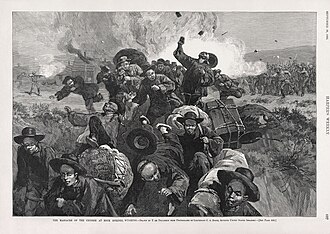
A white mob attacked Chinese miners in Rock Springs, killing 28 and injuring 15, while destroying homes and businesses. The massacre was driven by labor competition and anti-Asian racism in the western mining regions. It exemplifies the violent hatred Chinese Americans faced …