In a group of five cases, the Supreme Court held that the Thirteenth and Fourteenth Amendments did not empower Congress to outlaw racial discrimination by private individuals[8]. The Court ruled that the Fourteenth Amendment only prohibited state-sponsored denial of equal protection, not …
📍Washington, D.C., DC
👤African AmericanCivil rights movement
Read more about this entry
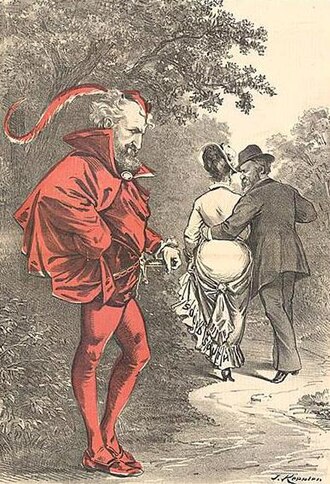
In a group of five cases, the Supreme Court held that the Thirteenth and Fourteenth Amendments did not empower Congress to outlaw racial discrimination by private individuals[8]. The Court ruled that the Fourteenth Amendment only prohibited state-sponsored denial of equal protection, not private acts of racism[8]. This decision effectively nullified the Civil Rights Act of 1875 and left Black Americans unprotected from private discrimination for decades[8].
Federal law barred most Chinese immigration and denied naturalization to Chinese residents—the first major U.S. law restricting immigration by nationality. Repealed in stages; remains a landmark of race-based immigration policy.
Tennessee became the first state to pass a Jim Crow law, mandating that Black and white passengers ride in separate railroad cars. This law established the legal framework for racial segregation in public transportation that would spread across the South. The legislation …
📍Nashville, Tennessee, TN
👤African AmericanJim Crow
Read more about this entry
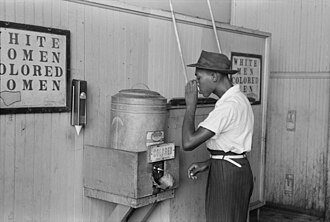
Tennessee became the first state to pass a Jim Crow law, mandating that Black and white passengers ride in separate railroad cars. This law established the legal framework for racial segregation in public transportation that would spread across the South. The legislation marked the beginning of systematic state-sponsored segregation following the end of Reconstruction.
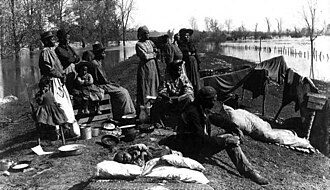
Thousands of Black Americans fled Jim Crow violence in the South by migrating west to Kansas and Oklahoma, seeking land under the Homestead Act [2]. This movement was a direct response to escalating racial terror and political disenfranchisement in Southern states [2].
📍Kansas and Oklahoma, US
👤African AmericanJim CrowLand & treaties
Read more about this entry
Thousands of Black Americans fled Jim Crow violence in the South by migrating west to Kansas and Oklahoma, seeking land under the Homestead Act [2]. This movement was a direct response to escalating racial terror and political disenfranchisement in Southern states [2].
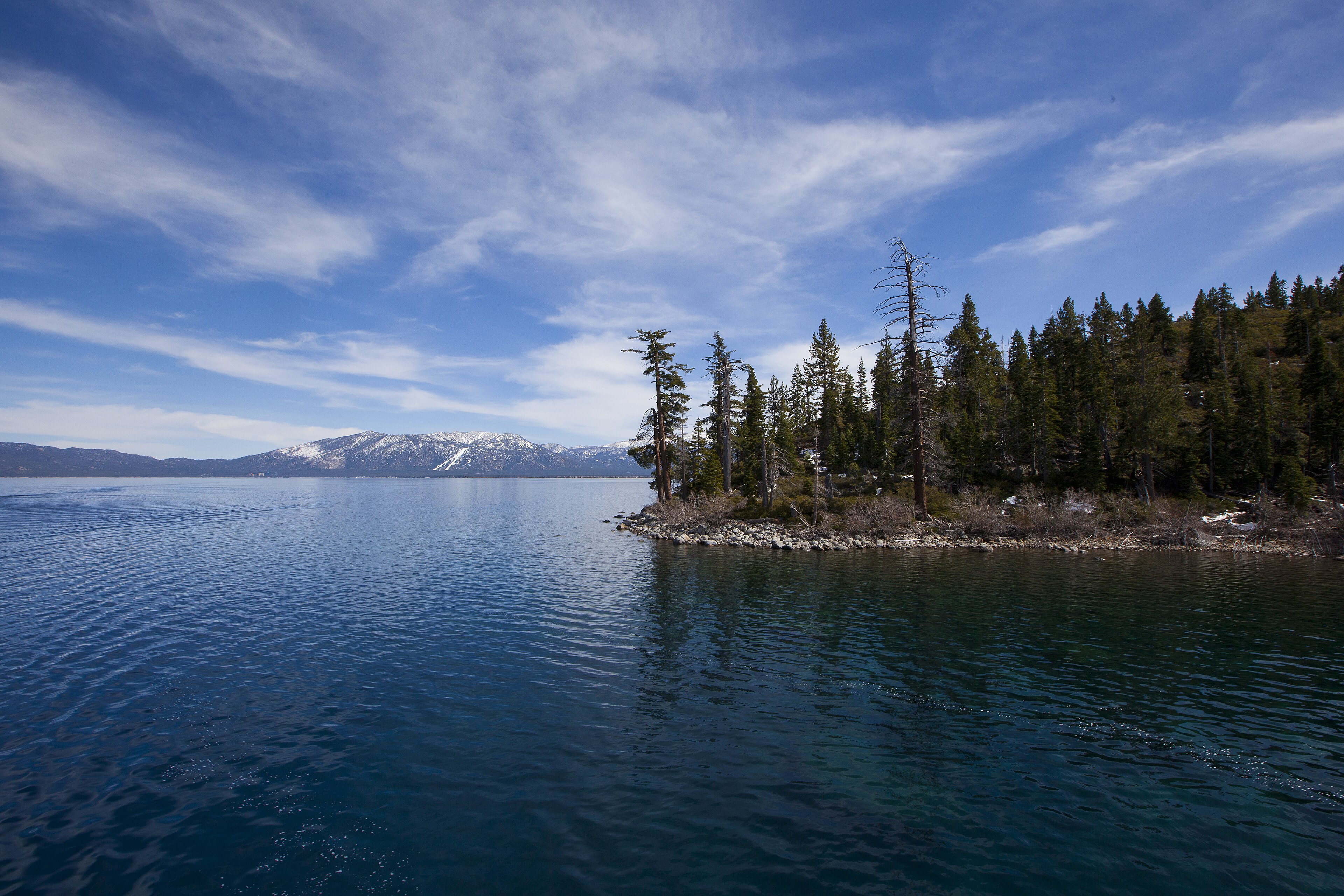
Paiute communities at Pyramid Lake faced repeated encroachment and water diversion that undermined fisheries and treaty lands, part of a longer fight for Indigenous water rights in the arid West.
📍Pyramid Lake, Nevada, NV
👤IndigenousLand & treaties
Read more about this entry
Paiute communities at Pyramid Lake faced repeated encroachment and water diversion that undermined fisheries and treaty lands, part of a longer fight for Indigenous water rights in the arid West.
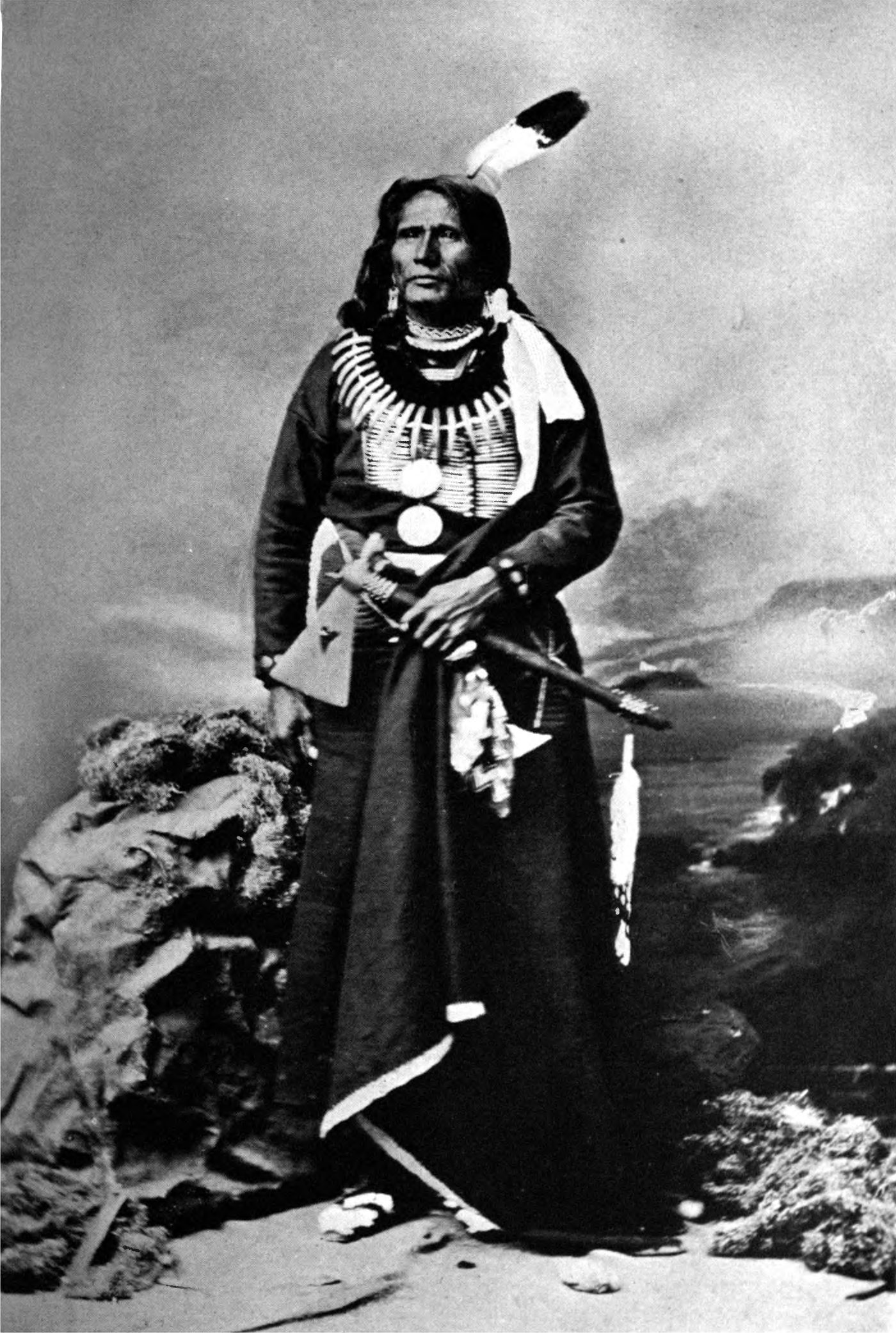
Ponca leader Standing Bear's habeas corpus case established that Native Americans are "persons" under U.S. law, a landmark challenge to forced removal and denial of legal personhood.
📍Omaha, Nebraska, NE
👤IndigenousLand & treaties
Read more about this entry
Ponca leader Standing Bear's habeas corpus case established that Native Americans are "persons" under U.S. law, a landmark challenge to forced removal and denial of legal personhood.
The Virginia legislature passed a law making it illegal for Black and white children to attend the same schools and criminalized interracial relationships, imprisoning any white woman who birthed a mixed-race child for up to five years. This anti-miscegenation legislation was part …
The Virginia legislature passed a law making it illegal for Black and white children to attend the same schools and criminalized interracial relationships, imprisoning any white woman who birthed a mixed-race child for up to five years. This anti-miscegenation legislation was part of a broader wave of state laws enforcing racial purity and segregation. The law was renewed in 1957, demonstrating its longevity as a tool of racial control.
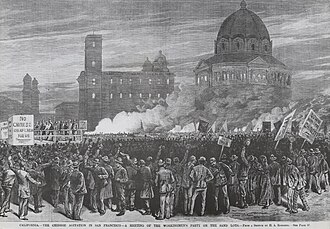
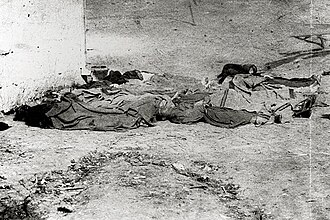
A three-day pogrom from July 23–25 targeted Chinese immigrants, involving mob violence, property destruction, and murders [1]. The riot was fueled by anti-Asian economic resentment and racial hostility during a period of labor unrest [1].
📍San Francisco, California, CA
👤LaborRacial violence
Read more about this entry
A three-day pogrom from July 23–25 targeted Chinese immigrants, involving mob violence, property destruction, and murders [1]. The riot was fueled by anti-Asian economic resentment and racial hostility during a period of labor unrest [1].
Following the disputed 1876 presidential election, a political bargain known as the Compromise of 1877 awarded the presidency to Rutherford B. Hayes in exchange for withdrawing all remaining federal troops from the South. This ended military enforcement of Reconstruction policies and allowed …
📍Washington, DC, DC
👤African AmericanCivil rights movementJim Crow
Read more about this entry
Following the disputed 1876 presidential election, a political bargain known as the Compromise of 1877 awarded the presidency to Rutherford B. Hayes in exchange for withdrawing all remaining federal troops from the South. This ended military enforcement of Reconstruction policies and allowed Southern states to establish Jim Crow laws without federal interference. The withdrawal marked the effective end of federal protection for Black civil rights.
Between 1876 and 1965, state and local laws in Southern and border states mandated 'separate but equal' status for Black Americans, enforcing racial segregation in public facilities, education, and transportation. These laws, collectively known as Jim Crow, systematically discriminated against Black people …
📍Southern and border states, US
👤African AmericanJim Crow
Read more about this entry
Between 1876 and 1965, state and local laws in Southern and border states mandated 'separate but equal' status for Black Americans, enforcing racial segregation in public facilities, education, and transportation. These laws, collectively known as Jim Crow, systematically discriminated against Black people and reinforced racial inequality.
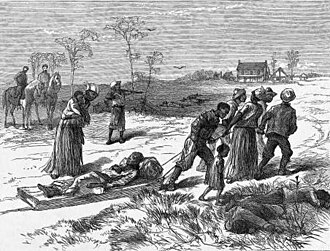
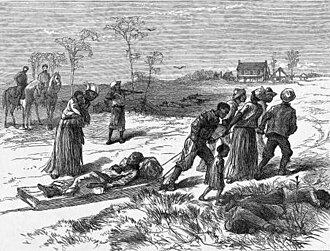
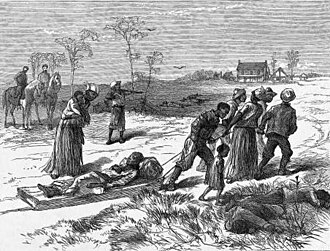
On April 13, 1873, a white mob attacks and kills at least 60–150 Black Republicans in Colfax, Louisiana, during a disputed county election, making it one of the deadliest single episodes of Reconstruction violence[2]. The massacre effectively ended Black political control in …
📍Colfax, LA, LA
👤African AmericanRacial violence
Read more about this entry
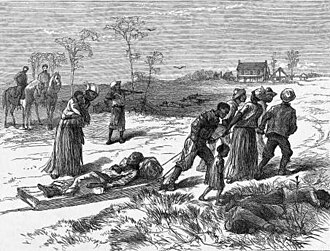
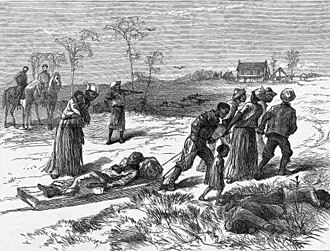
On April 13, 1873, a white mob attacks and kills at least 60–150 Black Republicans in Colfax, Louisiana, during a disputed county election, making it one of the deadliest single episodes of Reconstruction violence[2]. The massacre effectively ended Black political control in the area and demonstrated the federal government's failure to protect Black citizens.
On April 13, 1873, white militias attacked Black Republicans in Colfax, Louisiana, killing at least 60–150 Black men and executing captured prisoners. The massacre was one of the largest single-day incidents of racial terror during Reconstruction and aimed to overthrow the local …
On April 13, 1873, white militias attacked Black Republicans in Colfax, Louisiana, killing at least 60–150 Black men and executing captured prisoners. The massacre was one of the largest single-day incidents of racial terror during Reconstruction and aimed to overthrow the local Republican government.
On April 13, 1873, a white mob attacked the Colfax courthouse in Louisiana, killing at least 60 to 150 Black men who had assembled to defend Republican officials. The massacre was one of the largest single-day racial killings during Reconstruction and occurred …
📍Colfax, Louisiana, LA
👤African AmericanRacial violence
Read more about this entry
On April 13, 1873, a white mob attacked the Colfax courthouse in Louisiana, killing at least 60 to 150 Black men who had assembled to defend Republican officials. The massacre was one of the largest single-day racial killings during Reconstruction and occurred during a disputed local election. Victims included Black elected officials and community members.
On April 13, 1873, white supremacist militias attacked Black Republican supporters in Colfax, Louisiana, killing at least 60 to 150 Black men in what became known as the Colfax Massacre. It was one of the deadliest incidents of Reconstruction violence and demonstrated …
📍Colfax, Louisiana, LA
👤African AmericanRacial violence
Read more about this entry
On April 13, 1873, white supremacist militias attacked Black Republican supporters in Colfax, Louisiana, killing at least 60 to 150 Black men in what became known as the Colfax Massacre. It was one of the deadliest incidents of Reconstruction violence and demonstrated the failure of local authorities to protect Black citizens.
On April 13, 1873, a white mob attacked Black Republicans in Colfax, Louisiana, during a dispute over local election results. At least 60 to 150 Black men were killed, many after being taken prisoner, marking one of the deadliest episodes of Reconstruction …
📍Colfax, Louisiana, LA
👤African AmericanIncarceration & campsRacial violenceVoting rights
Read more about this entry
On April 13, 1873, a white mob attacked Black Republicans in Colfax, Louisiana, during a dispute over local election results. At least 60 to 150 Black men were killed, many after being taken prisoner, marking one of the deadliest episodes of Reconstruction violence. The massacre effectively ended Republican control in the region and signaled the collapse of federal protection for Black voters.
The Senate passed a resolution creating the Select Committee to Investigate Alleged Outrages in the Southern States to document Ku Klux Klan atrocities. Supported by President Ulysses S. Grant, this investigation compiled critical evidence of Klan violence and helped justify new laws …
📍Washington, DC, DC
👤Civil rights movement
Read more about this entry
The Senate passed a resolution creating the Select Committee to Investigate Alleged Outrages in the Southern States to document Ku Klux Klan atrocities. Supported by President Ulysses S. Grant, this investigation compiled critical evidence of Klan violence and helped justify new laws to protect American rights. The inquiry prompted the formation of the U.S. Department of Justice and spurred mass prosecutions of individual KKK members.
One of the largest lynchings in U.S. history, where at least 18 Chinese immigrants were killed by a mob of white residents [7]. The massacre occurred amid racial tensions over labor and housing in the growing city [7].
📍Los Angeles, California, CA
👤Housing & redliningLaborRacial violence
Read more about this entry
One of the largest lynchings in U.S. history, where at least 18 Chinese immigrants were killed by a mob of white residents [7]. The massacre occurred amid racial tensions over labor and housing in the growing city [7].
Congress passed three Enforcement Acts between 1870 and 1871 to protect Black voters, officeholders, and jurors under the Fourteenth and Fifteenth Amendments. These laws criminalized voter intimidation, authorized federal intervention when states failed to protect rights, and created federal oversight of elections. …
📍Washington, DC, DC
👤African AmericanVoting rights
Read more about this entry
Congress passed three Enforcement Acts between 1870 and 1871 to protect Black voters, officeholders, and jurors under the Fourteenth and Fifteenth Amendments. These laws criminalized voter intimidation, authorized federal intervention when states failed to protect rights, and created federal oversight of elections. They were the first comprehensive federal efforts to secure Black political participation in the South.
U.S. Army forces under Colonel George Custer attacked and killed over 60 Cheyenne and Arapaho people, including women and children, at their winter camp on the Washita River. The massacre was part of the broader Indian Wars and targeted Indigenous communities in …
📍Washita River, Oklahoma, OK
👤IndigenousRacial violence
Read more about this entry
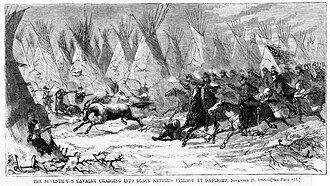
U.S. Army forces under Colonel George Custer attacked and killed over 60 Cheyenne and Arapaho people, including women and children, at their winter camp on the Washita River. The massacre was part of the broader Indian Wars and targeted Indigenous communities in the Plains[1].
Ratified on July 9, 1868, the Fourteenth Amendment extended U.S. citizenship to all natural-born residents, including formerly enslaved African Americans, and guaranteed due process and equal protection under the law. It temporarily barred former Confederates from holding public office and became the …
📍Washington, DC, DC
👤African AmericanCivil rights movementSlavery & emancipation
Read more about this entry
Ratified on July 9, 1868, the Fourteenth Amendment extended U.S. citizenship to all natural-born residents, including formerly enslaved African Americans, and guaranteed due process and equal protection under the law. It temporarily barred former Confederates from holding public office and became the basis for countless civil rights rulings. The amendment remains the primary constitutional tool for challenging racial discrimination.
The Fourteenth Amendment was ratified in July 1868, establishing that all persons born or naturalized in the U.S. are citizens and prohibiting states from denying equal protection or due process. It explicitly repudiated the Dred Scott decision and guaranteed citizenship to formerly …
📍National, US
👤Civil rights movementSlavery & emancipation
Read more about this entry
The Fourteenth Amendment was ratified in July 1868, establishing that all persons born or naturalized in the U.S. are citizens and prohibiting states from denying equal protection or due process. It explicitly repudiated the Dred Scott decision and guaranteed citizenship to formerly enslaved people. The amendment became the cornerstone of later civil rights litigation and enforcement.
Congress passed the Reconstruction Acts of 1867 over President Johnson's veto, dividing the South into five military districts and requiring states to ratify the Fourteenth Amendment and grant Black male suffrage for readmission to the Union. These acts imposed federal military rule …
📍Washington, DC, DC
👤African AmericanLaborVoting rights
Read more about this entry
Congress passed the Reconstruction Acts of 1867 over President Johnson's veto, dividing the South into five military districts and requiring states to ratify the Fourteenth Amendment and grant Black male suffrage for readmission to the Union. These acts imposed federal military rule to protect Black rights and enforce new state constitutions. They marked a shift toward Radical Reconstruction and federal intervention in Southern governance.
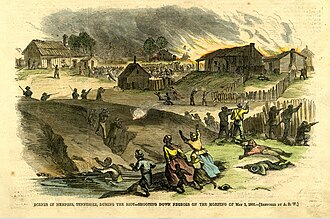
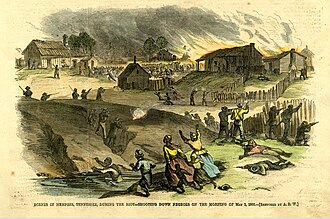
In 1866, white mobs attacked Black residents in Memphis, leaving 46 African Americans dead and destroying hundreds of Black houses, schools, and churches. The riots exemplified urban racial violence during Reconstruction and targeted Black political and economic advancement.
In 1866, white mobs attacked Black residents in Memphis, leaving 46 African Americans dead and destroying hundreds of Black houses, schools, and churches. The riots exemplified urban racial violence during Reconstruction and targeted Black political and economic advancement.
A white mob, including police officers, attacked Black residents and schools in Memphis, resulting in the deaths of 46 Black people and the destruction of Black churches and schools. Two white women were also killed, and 90 Black women were raped or …
📍Memphis, Tennessee, TN
👤African AmericanCivil rights movementEducation & schoolsPolicingRacial violence
Read more about this entry
A white mob, including police officers, attacked Black residents and schools in Memphis, resulting in the deaths of 46 Black people and the destruction of Black churches and schools. Two white women were also killed, and 90 Black women were raped or assaulted during the three-day violence. The massacre was fueled by racial tensions following the Civil War and opposition to Black civil rights.