S.T.O.R.I.E.S.

Historical Timeline

Sequential Timeline of Racist Incidents, Events, and Sites

2026
2026
institutional policy

New Federal Housing Law Racial Equity Gaps

A new federal housing law added reforms but left major racial-equity and tribal gaps unaddressed[2]. Indigenous and minority communities continue facing housing discrimination despite the legislation[2].
US, US
Housing & redlining Indigenous
Read more about this entry
A new federal housing law added reforms but left major racial-equity and tribal gaps unaddressed[2]. Indigenous and minority communities continue facing housing discrimination despite the legislation[2].
2026
institutional court case policy

Federal Appeals Court Blocks Florida Higher-Education Classroom Censorship

On July 7, the U.S. Court of Appeals for the Eleventh Circuit affirmed a preliminary injunction blocking the higher-education provisions of Florida’s Stop W.O.K.E. Act, which restricts teaching on race and gender in universities [1]. This ruling prevents the state from censoring …

Tallahassee, Florida (Eleventh Circuit Court of Appeals ruling), FL
Civil rights movement
Read more about this entry
On July 7, the U.S. Court of Appeals for the Eleventh Circuit affirmed a preliminary injunction blocking the higher-education provisions of Florida’s Stop W.O.K.E. Act, which restricts teaching on race and gender in universities [1]. This ruling prevents the state from censoring classroom instruction on racial history and civil rights in higher education institutions [1].
2026
institutional policy

EEOC Rescinds Affirmive-Action Interpretive Guidelines

On June 30, 2026, the Equal Employment Opportunity Commission voted to rescind long-standing affirmative-action interpretive guidelines and related compliance manual provisions under Title VII. The EEOC described the materials as approximately 40 years old, removing key guidance on workplace affirmative action that …

Washington, DC, DC
Civil rights movement
Read more about this entry
On June 30, 2026, the Equal Employment Opportunity Commission voted to rescind long-standing affirmative-action interpretive guidelines and related compliance manual provisions under Title VII. The EEOC described the materials as approximately 40 years old, removing key guidance on workplace affirmative action that had supported civil rights enforcement for minority communities[1].
2026
institutional policy

Federal Register Rescinds Affirmative Action Guidelines Under Title VII

The Federal Register published a notice on July 6, 2026, rescinding guidelines on affirmative action appropriate under Title VII of the Civil Rights Act of 1964. Title VII prohibits discrimination against workers based on race, color, religion, sex, or national origin, and …

Washington, D.C., U.S., DC
Civil rights movement
Read more about this entry
The Federal Register published a notice on July 6, 2026, rescinding guidelines on affirmative action appropriate under Title VII of the Civil Rights Act of 1964. Title VII prohibits discrimination against workers based on race, color, religion, sex, or national origin, and this agency action removes federal guidance supporting affirmative action measures.
2026
institutional court case policy

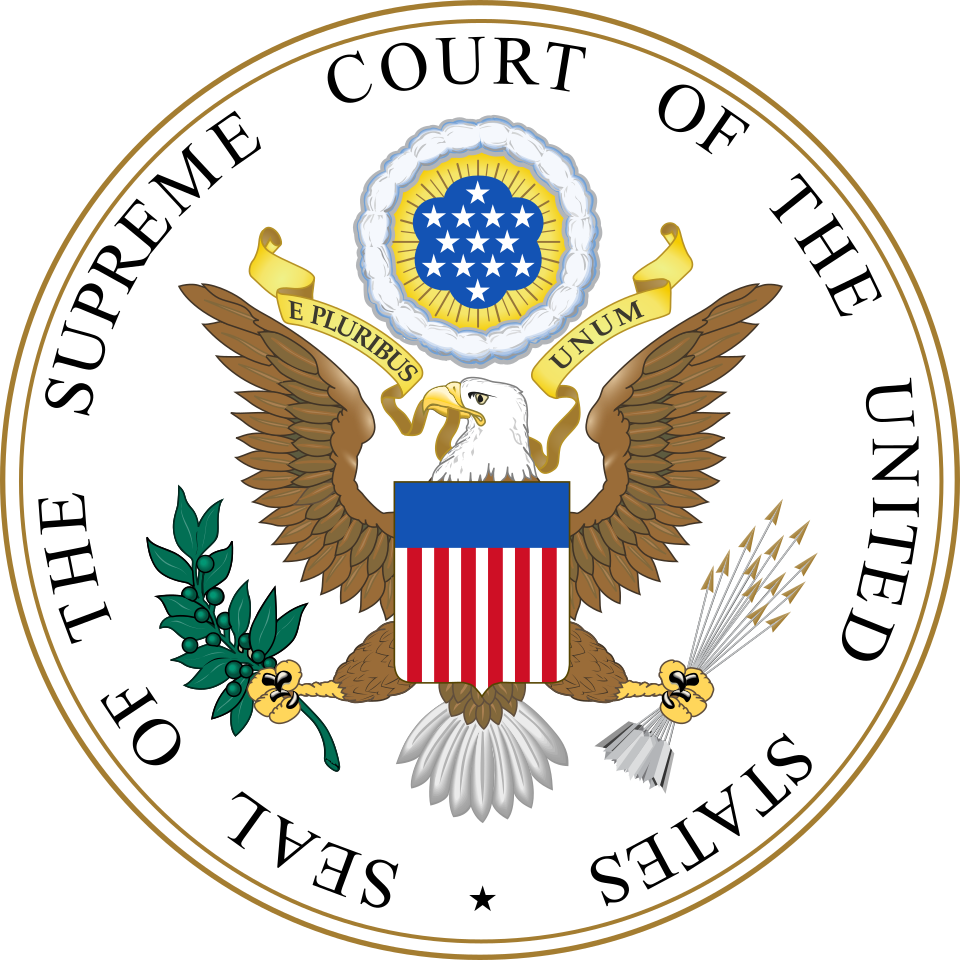
Supreme Court Curtails Voting Rights Act Protections for Minority Voters

On June 30, 2026, the U.S. Supreme Court issued a 6-3 ruling in Louisiana v. Callais and Robinson v. Callais that dramatically curtailed minority voters' ability to challenge electoral maps under Section 2 of the Voting Rights Act. The decision limits the …

Washington, DC, DC
Voting rights
Read more about this entry
On June 30, 2026, the U.S. Supreme Court issued a 6-3 ruling in Louisiana v. Callais and Robinson v. Callais that dramatically curtailed minority voters' ability to challenge electoral maps under Section 2 of the Voting Rights Act. The decision limits the creation of majority-minority congressional districts, a key tool previously used to remedy voting discrimination in states.
2026
institutional cultural policy

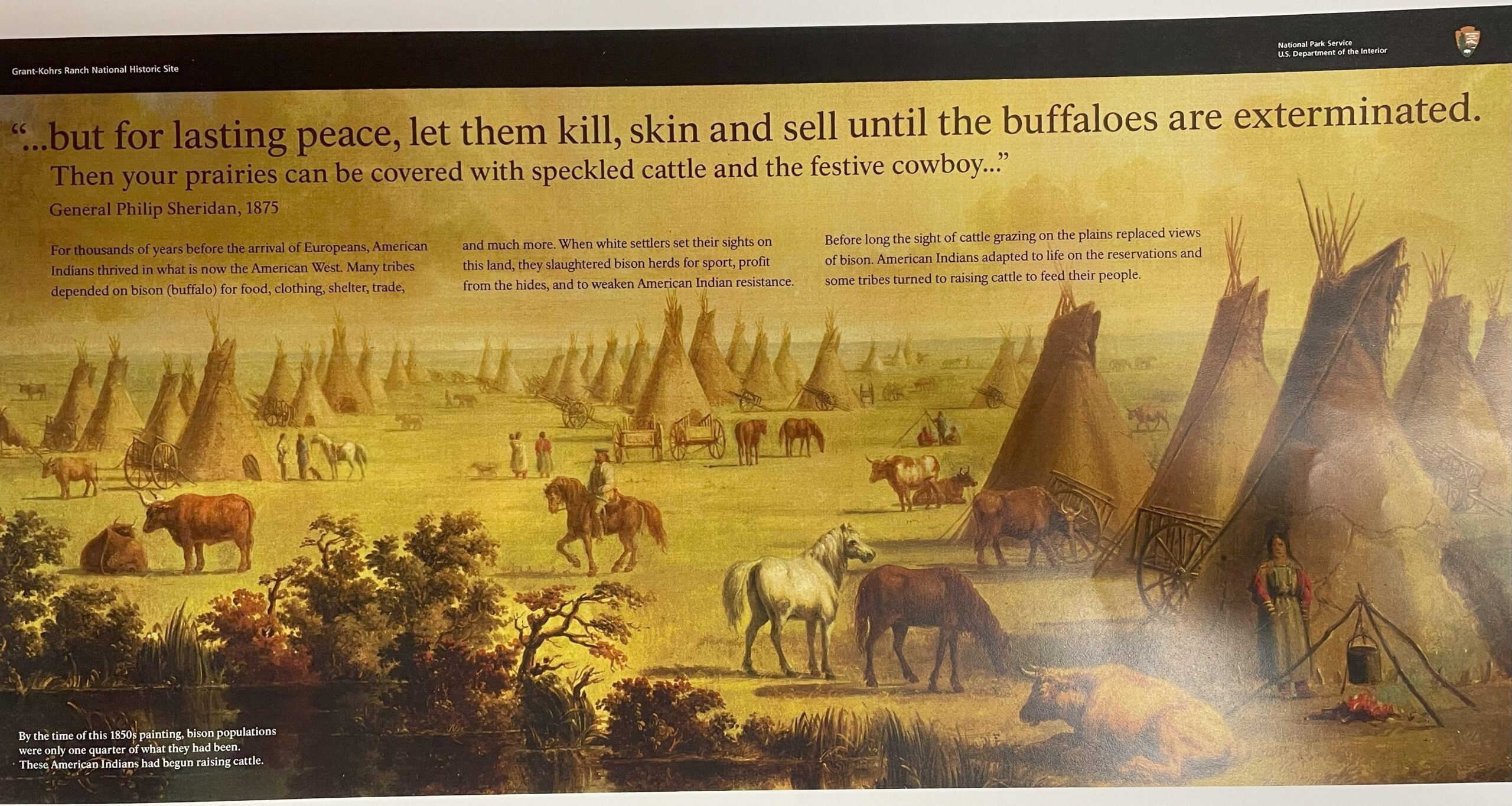
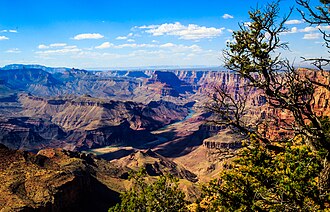
Federal Review of NPS Signs on Native Mistreatment and Climate

The Washington Post and Reuters reported national parks were directed to review and remove signage on mistreatment of Native Americans and on climate change, affecting many sites across several states.

Department of the Interior / National Park System (national scope), DC
Indigenous Museums & memory
2026
institutional policy

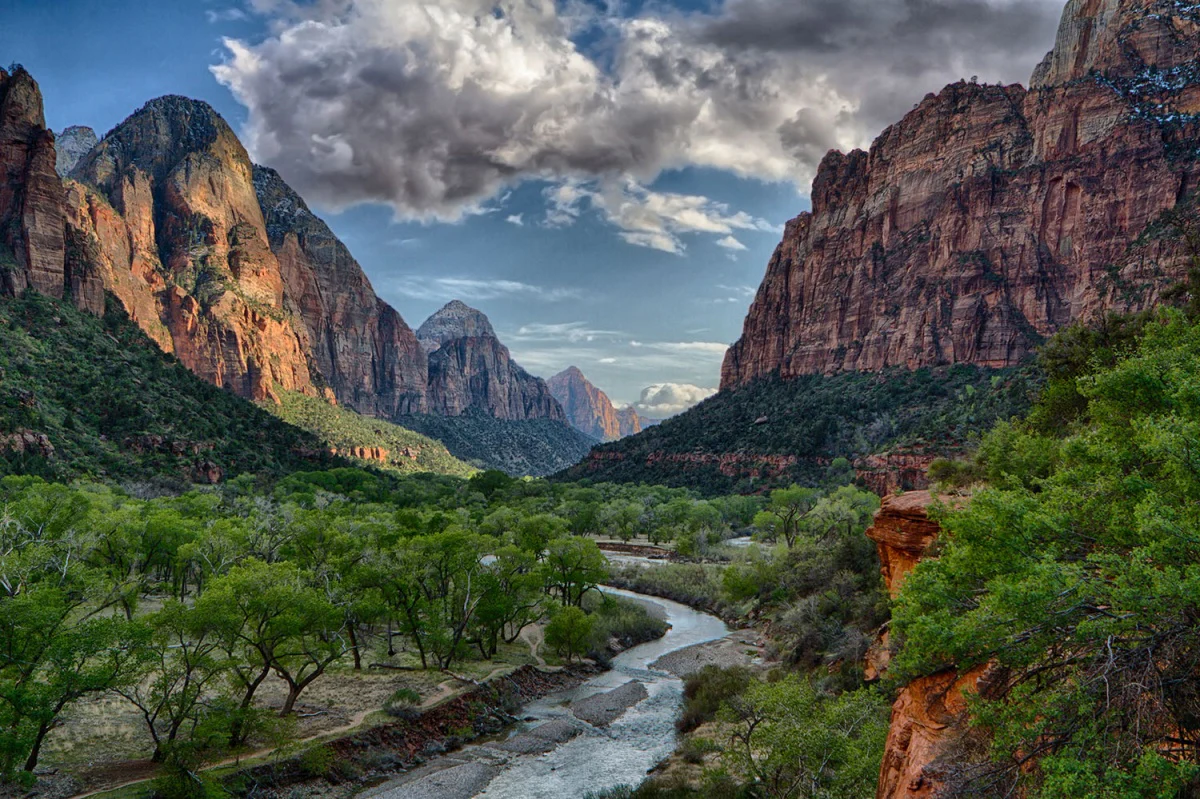
Big Bend National Park Interpretive Content Reviewed

Big Bend National Park, Texas, was listed among parks where Native-related and climate-related interpretive content faced removal or review under the same federal initiative reported by Arizona Central, Reuters, and others.

Big Bend National Park, Texas, TX
Indigenous Land & treaties Museums & memory
2026
institutional cultural policy

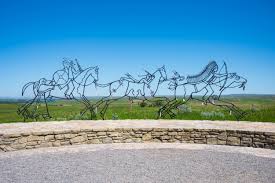
Little Bighorn Battlefield Native American Signage Removed

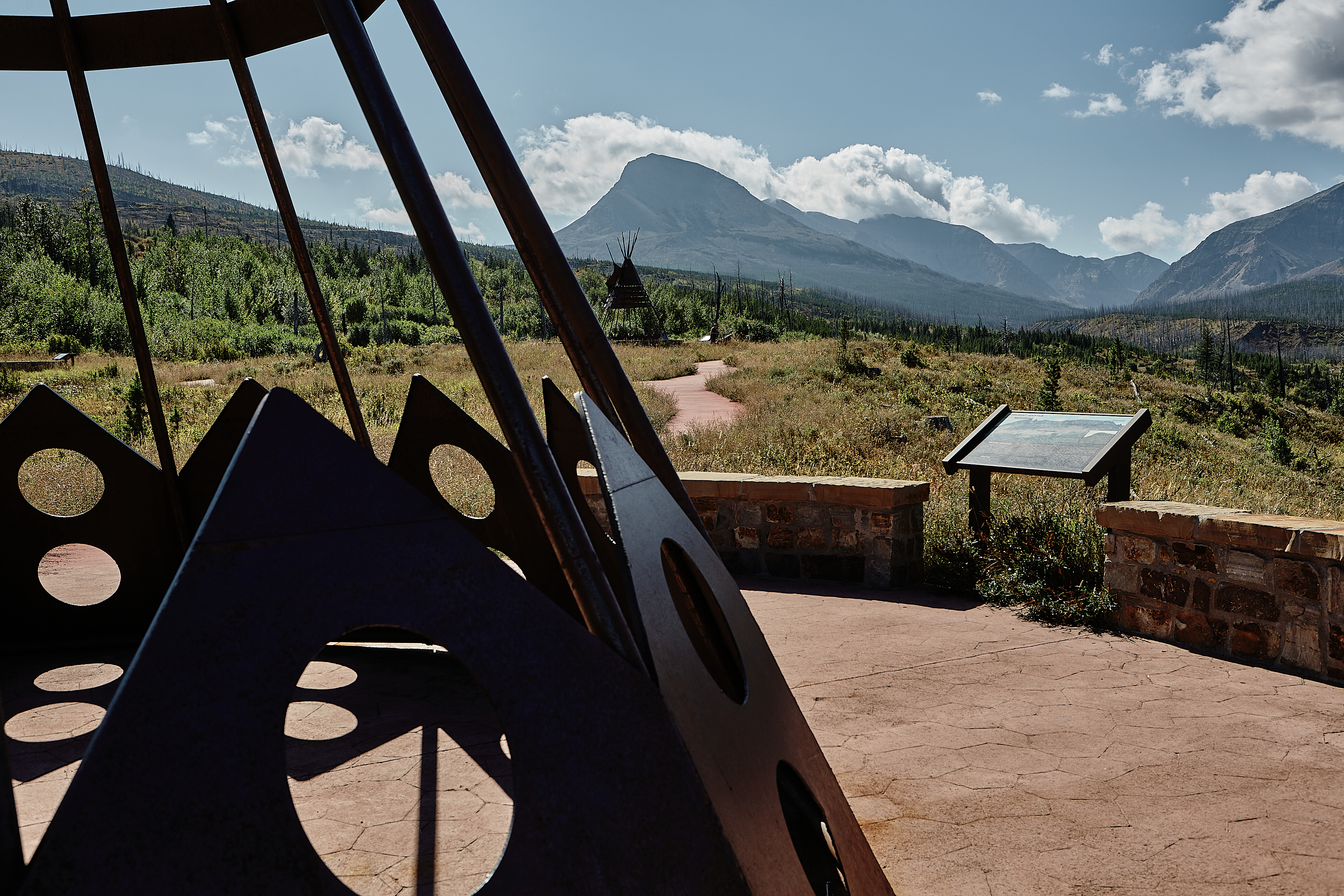
National Park Service removed or altered Native American–related signage at Little Bighorn Battlefield National Monument; tribal leaders and the Northern Cheyenne Tribal Council opposed changes to markers at the site. Reported by Military Times and others.

Little Bighorn Battlefield National Monument, Montana, MT
Indigenous Museums & memory
2026
institutional cultural policy

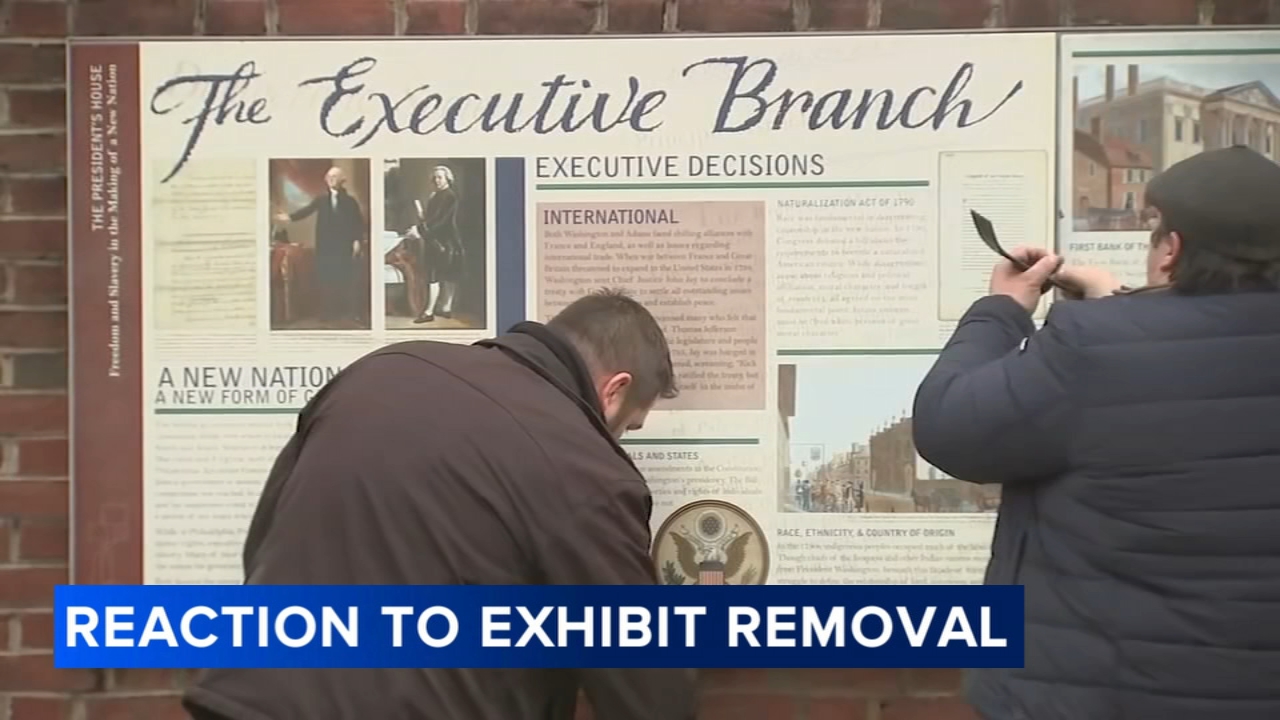
President's House Slavery Exhibit Removal - Philadelphia

National Park Service workers used crowbars to remove the only federal historic site exhibit commemorating slavery in America — 'The President's House: Freedom and Slavery in the Making of a New Nation.'

Independence National Historical Park, Philadelphia, Pennsylvania, PA
Land & treaties Museums & memory Slavery & emancipation
2025
2025
institutional cultural policy

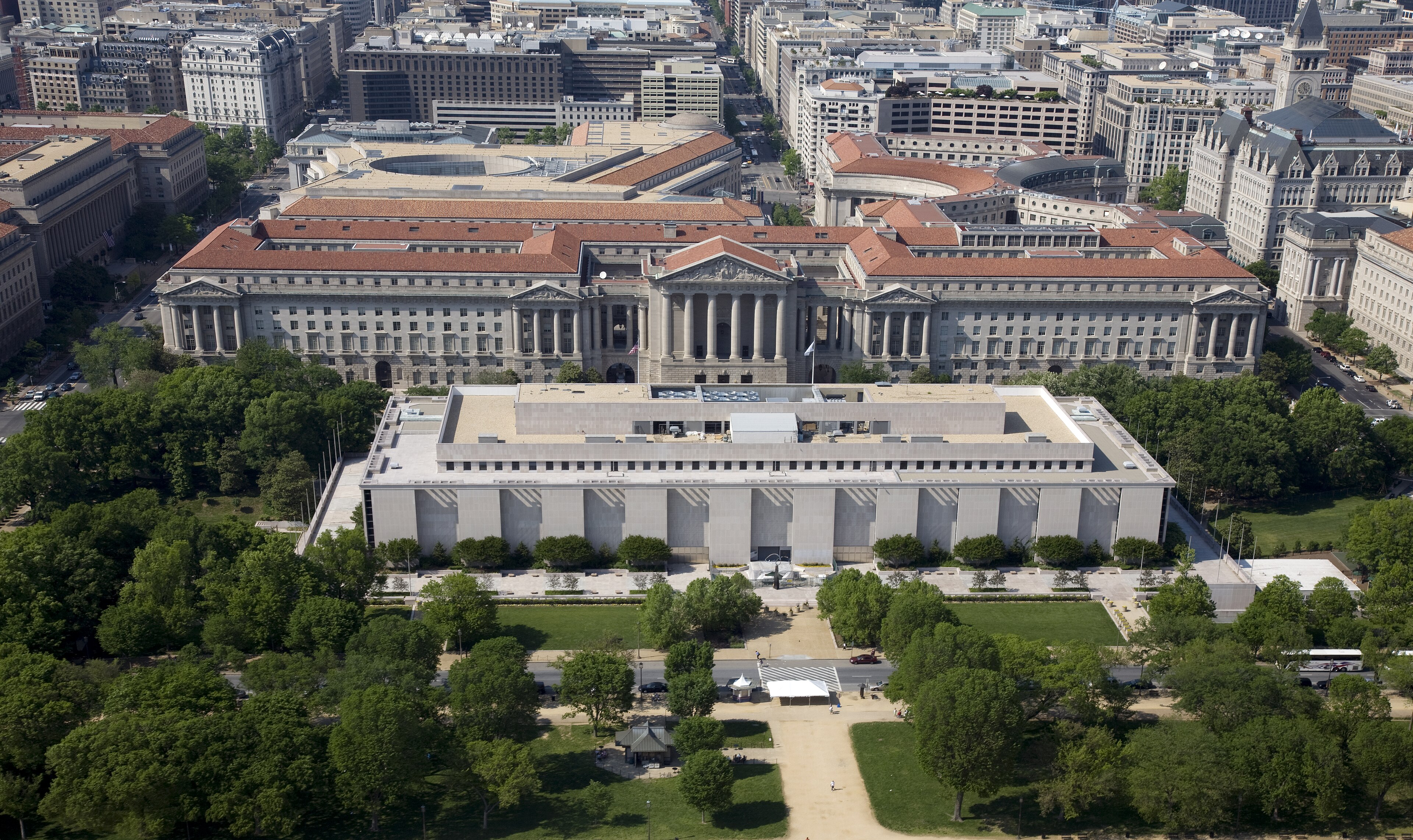
NMAAHC: Major Artifacts Rotated Off Display

NBC News and other outlets reported dozens of objects tied to slavery and civil rights were no longer on public view at the National Museum of African American History and Culture, including items linked to Harriet Tubman and Frederick Douglass, following an …

National Museum of African American History and Culture, Washington D.C., DC
African American Civil rights movement Museums & memory Slavery & emancipation
2025
institutional cultural policy

Muir Woods 'History Under Construction' Exhibit Removal

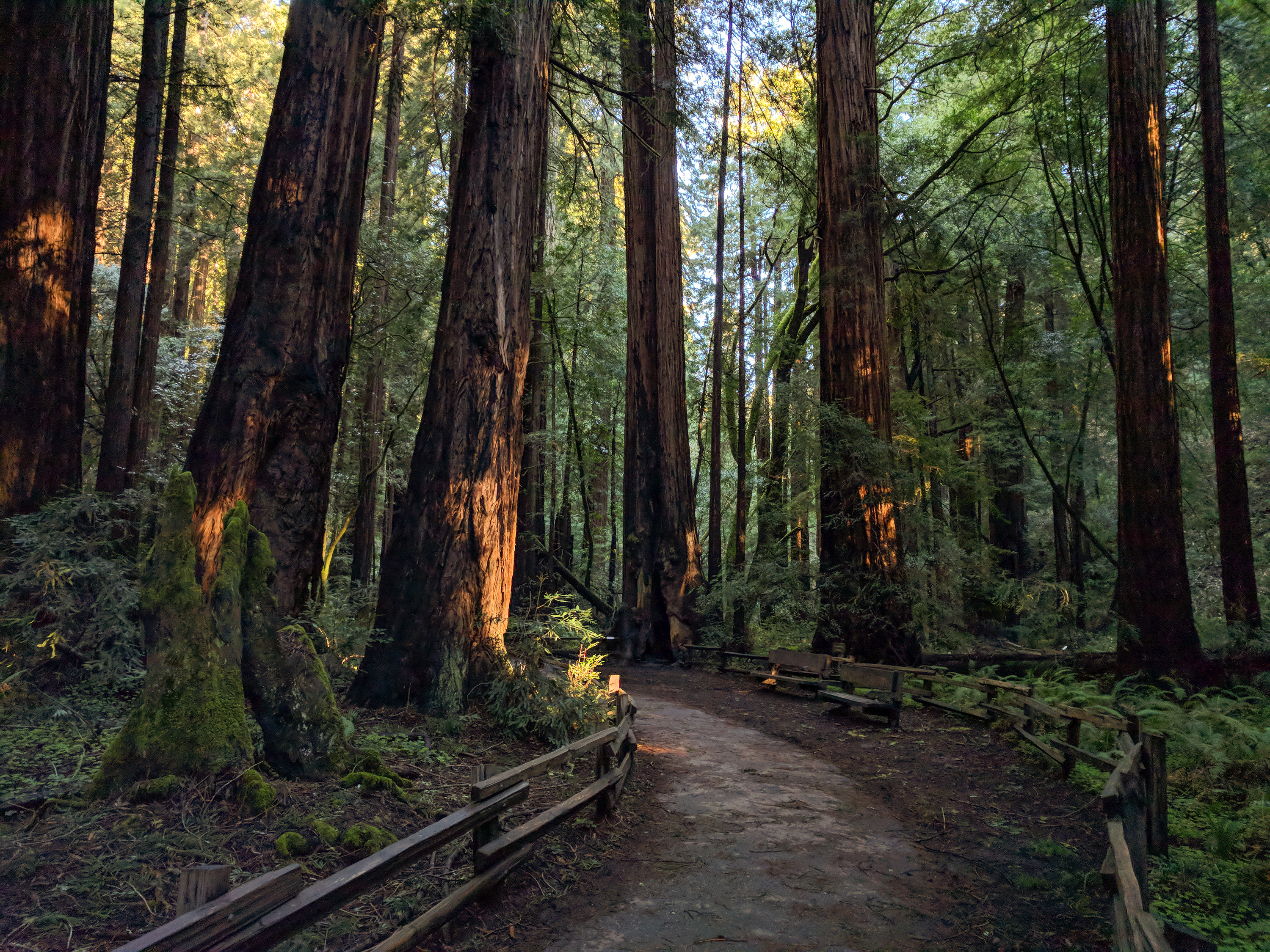
Trump administration removed 'History Under Construction' exhibit acknowledging Coast Miwok Indigenous history and the racist roots of conservation movements at Muir Woods National Monument.

Muir Woods National Monument, California, CA
Indigenous Land & treaties Museums & memory
2016
2016
institutional policy

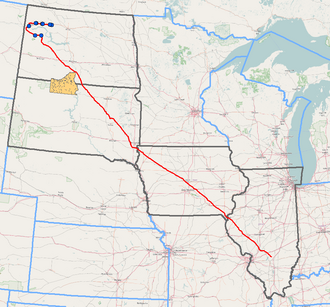
Standing Rock and Dakota Access Pipeline Resistance

The Standing Rock Sioux Tribe and allies protested the Dakota Access Pipeline as a threat to water and treaty rights, drawing global attention to Indigenous sovereignty and environmental justice.

Standing Rock, North Dakota, ND
Indigenous Land & treaties
Read more about this entry
The Standing Rock Sioux Tribe and allies protested the Dakota Access Pipeline as a threat to water and treaty rights, drawing global attention to Indigenous sovereignty and environmental justice.
2013
2013
institutional court case policy

Shelby County v. Holder

The U.S. Supreme Court struck down the coverage formula of the Voting Rights Act of 1965 in Shelby County v. Holder, effectively removing the 'preclearance' requirement for states with histories of voting discrimination. The Court ruled that the formula was outdated and …

Alabama, AL
Voting rights
Read more about this entry
The U.S. Supreme Court struck down the coverage formula of the Voting Rights Act of 1965 in Shelby County v. Holder, effectively removing the 'preclearance' requirement for states with histories of voting discrimination. The Court ruled that the formula was outdated and no longer justified federal oversight, allowing states to change voting laws without federal approval. This decision led to a surge in restrictive voting laws in several states.
1999
1999
institutional cultural policy

Million Hoodie March for Justice

Over 100,000 people gathered in New York City to protest police brutality after the killing of Amadou Diallo, an unarmed Black man shot 41 times by NYPD officers. The march, organized by community groups and civil rights organizations, demanded accountability for police …

New York, NY, NY
African American Civil rights movement Policing
Read more about this entry
Over 100,000 people gathered in New York City to protest police brutality after the killing of Amadou Diallo, an unarmed Black man shot 41 times by NYPD officers. The march, organized by community groups and civil rights organizations, demanded accountability for police violence and racial justice. It became one of the largest anti-police brutality demonstrations in U.S. history before the George Floyd protests.
1982
1982
institutional policy

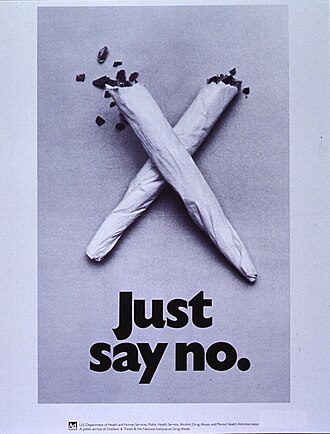
Reagan Announces War on Drugs

President Ronald Reagan officially announced his administration's War on Drugs in October 1982, continuing 'tough on crime' rhetoric that disproportionately targeted minority communities. This policy shift led to a massive increase in federal drug enforcement and prison populations, with Black and Latino …

Washington, DC, DC
African American Incarceration & camps Latino
Read more about this entry
President Ronald Reagan officially announced his administration's War on Drugs in October 1982, continuing 'tough on crime' rhetoric that disproportionately targeted minority communities. This policy shift led to a massive increase in federal drug enforcement and prison populations, with Black and Latino communities facing significantly harsher penalties than white offenders for similar crimes [3]. The declaration set the stage for subsequent legislation that cemented racial disparities in the criminal justice system.
1969
1969
institutional policy

Nixon's Minority Business Development Agency

President Richard Nixon established the Minority Business Development Agency (MBDA) to fund and support minority-run businesses, promoting 'Black Capitalism' as a policy response to economic inequality. The agency aimed to address the limited impact of previous affirmative action and government assistance to …

Washington, D.C., DC
African American Civil rights movement
Read more about this entry
President Richard Nixon established the Minority Business Development Agency (MBDA) to fund and support minority-run businesses, promoting 'Black Capitalism' as a policy response to economic inequality. The agency aimed to address the limited impact of previous affirmative action and government assistance to Black-owned enterprises[2]. This policy reflected a shift toward economic empowerment within the Nixon administration's approach to civil rights[2].
1965
1965
institutional policy

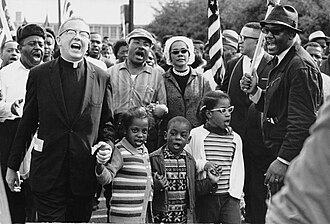
Selma to Montgomery Marches (1965)

On March 7, 1965, peaceful protesters attempting to march from Selma to Montgomery were violently attacked by state troopers on the Edmund Pettus Bridge, an event known as 'Bloody Sunday'[3]. The broadcast images of the violence sparked national outrage and led directly …

Selma, Alabama, AL
Civil rights movement Voting rights
Read more about this entry
On March 7, 1965, peaceful protesters attempting to march from Selma to Montgomery were violently attacked by state troopers on the Edmund Pettus Bridge, an event known as 'Bloody Sunday'[3]. The broadcast images of the violence sparked national outrage and led directly to the passage of the Voting Rights Act of 1965[3].
1964
1964
institutional cultural policy

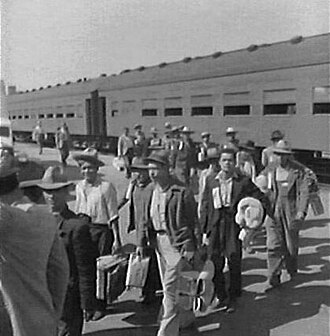
Termination of the Bracero Program

Congress ended the Bracero Program on December 31, 1964, after 22 years of operation that brought over four million migrants to work in U.S. agriculture and railroads[1][3]. The program was terminated due to factors including farm mechanization, evidence that Braceros reduced wages …

Washington, DC, DC
Labor
Read more about this entry
Congress ended the Bracero Program on December 31, 1964, after 22 years of operation that brought over four million migrants to work in U.S. agriculture and railroads[1][3]. The program was terminated due to factors including farm mechanization, evidence that Braceros reduced wages for U.S. farm workers, and political agreements to end labor competition[1][7]. Despite government guarantees of protection, many workers suffered from forced savings schemes where up to 10 percent of wages were withheld and often disappeared[8].