S.T.O.R.I.E.S.

Historical Timeline

Sequential Timeline of Racist Incidents, Events, and Sites

1963
1963
institutional cultural policy

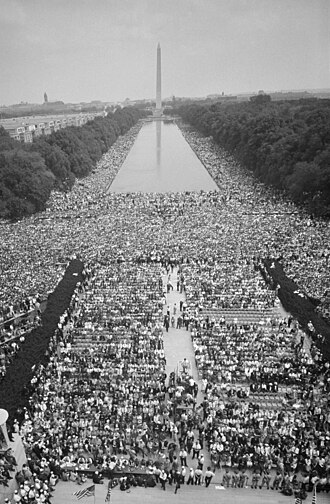
March on Washington for Jobs and Freedom (1963)

On August 28, 1963, over 250,000 people gathered in Washington, D.C. for the March on Washington, where Martin Luther King Jr. delivered his iconic 'I Have a Dream' speech[2]. The event helped galvanize public support for the Civil Rights Act of 1964 …

Washington, D.C., DC
Civil rights movement Voting rights
Read more about this entry
On August 28, 1963, over 250,000 people gathered in Washington, D.C. for the March on Washington, where Martin Luther King Jr. delivered his iconic 'I Have a Dream' speech[2]. The event helped galvanize public support for the Civil Rights Act of 1964 and the Voting Rights Act of 1965[5].
1961
1961
institutional cultural court case policy

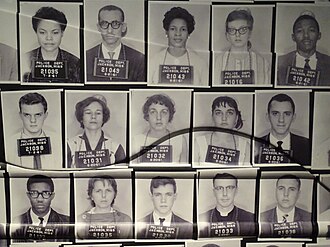
Freedom Rides

In 1961, the Student Nonviolent Coordinating Committee (SNCC) launched the Freedom Rides, where activists traveled by bus through the South to test Supreme Court rulings banning segregation in interstate travel[2][5]. The riders faced brutal violence, including bus bombings and mob attacks, particularly …

Washington, D.C. to New Orleans, DC
Civil rights movement Education & schools Jim Crow Racial violence
Read more about this entry
In 1961, the Student Nonviolent Coordinating Committee (SNCC) launched the Freedom Rides, where activists traveled by bus through the South to test Supreme Court rulings banning segregation in interstate travel[2][5]. The riders faced brutal violence, including bus bombings and mob attacks, particularly in Alabama and Mississippi, drawing national attention to the failure of federal enforcement[5].
1960
1960
institutional policy

Greensboro Sit-Ins

Beginning in February 1960, four Black college students sat at a segregated Woolworth lunch counter in Greensboro, sparking a sit-in movement that spread across the South [5]. The protests challenged segregation in public accommodations and became a pivotal moment in the Civil …

Greensboro, North Carolina, NC
African American Civil rights movement Education & schools Jim Crow
Read more about this entry
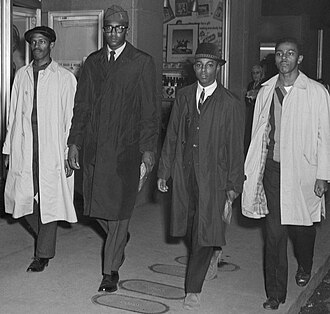
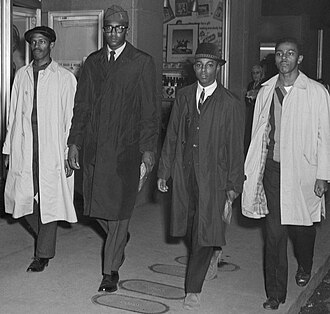
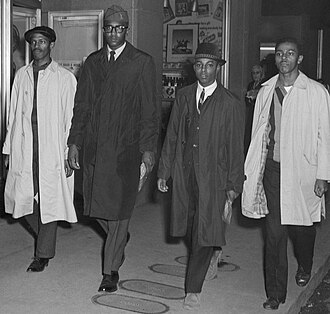
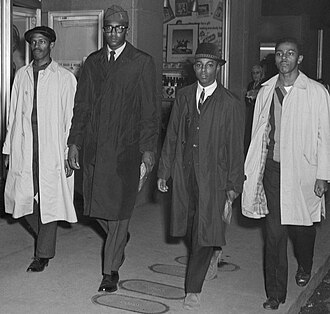
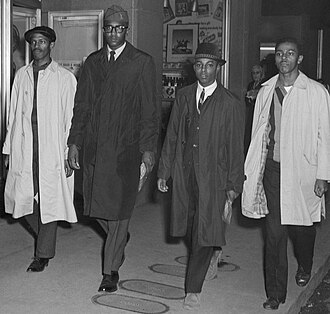
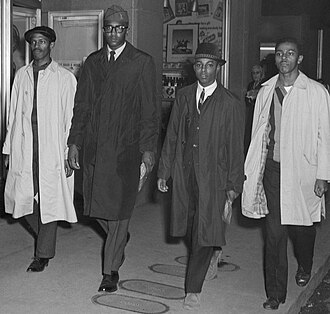
Beginning in February 1960, four Black college students sat at a segregated Woolworth lunch counter in Greensboro, sparking a sit-in movement that spread across the South [5]. The protests challenged segregation in public accommodations and became a pivotal moment in the Civil Rights Movement [5]. Their tactics inspired widespread nonviolent resistance against Jim Crow laws [5].
1960
institutional cultural policy

Greensboro Sit-Ins

In February 1960, the Greensboro Four (Ezell Blair Jr., David Richmond, Joseph McNeil, and Franklin McCain) began sit-ing at a segregated Woolworth's lunch counter[2]. Their protest sparked the sit-in movement across the South, with thousands of young people participating in similar demonstrations …

Greensboro, North Carolina, NC
Civil rights movement Jim Crow
Read more about this entry
In February 1960, the Greensboro Four (Ezell Blair Jr., David Richmond, Joseph McNeil, and Franklin McCain) began sit-ing at a segregated Woolworth's lunch counter[2]. Their protest sparked the sit-in movement across the South, with thousands of young people participating in similar demonstrations to challenge segregation in public accommodations[2].
1960
institutional policy

Greensboro Sit-In

Four Black college students from North Carolina A&T State University staged a sit-in at a segregated Woolworth's lunch counter in Greensboro, sparking a wave of similar protests across the South. The nonviolent protest lasted 38 days and ended when the store desegregated …

Greensboro, NC
African American Civil rights movement Education & schools Jim Crow Racial violence
Read more about this entry
Four Black college students from North Carolina A&T State University staged a sit-in at a segregated Woolworth's lunch counter in Greensboro, sparking a wave of similar protests across the South. The nonviolent protest lasted 38 days and ended when the store desegregated its lunch counters. It mobilized a new generation of young activists and led to the formation of the Student Nonviolent Coordinating Committee (SNCC)[6].
1960
institutional policy

Greensboro Sit-Ins

Four Black students from North Carolina Agricultural and Technical College staged a sit-in at a segregated Woolworth's lunch counter in Greensboro, North Carolina. Although refused service, they were allowed to stay at the counter, triggering many similar nonviolent protests throughout the South. …

Greensboro, North Carolina, NC
African American Civil rights movement Education & schools Jim Crow
Read more about this entry
Four Black students from North Carolina Agricultural and Technical College staged a sit-in at a segregated Woolworth's lunch counter in Greensboro, North Carolina. Although refused service, they were allowed to stay at the counter, triggering many similar nonviolent protests throughout the South. The event inspired the founding of the Student Nonviolent Coordinating Committee (SNCC), giving young Black people a more vital role in the civil rights movement.
1960
institutional policy

Greensboro Sit-Ins

Four black students from North Carolina Agricultural and Technical College staged a sit-in at a segregated Woolworth's lunch counter in Greensboro, North Carolina[9]. Although refused service, they were allowed to stay at the counter, sparking similar protests across the South[9]. This event …

Greensboro, North Carolina, NC
African American Civil rights movement Education & schools Jim Crow
Read more about this entry
Four black students from North Carolina Agricultural and Technical College staged a sit-in at a segregated Woolworth's lunch counter in Greensboro, North Carolina[9]. Although refused service, they were allowed to stay at the counter, sparking similar protests across the South[9]. This event initiated the sit-in movement that became a major tactic of the civil rights movement[9].
1960
institutional policy

Greensboro Sit-Ins (1960)

Four Black college students from North Carolina A&T staged sit-ins at a Woolworth’s lunch counter, refusing to leave until served. Their peaceful protest sparked a wave of similar demonstrations across the South and helped catalyze the Civil Rights Movement[2]. The event is …

Greensboro, North Carolina, NC
African American Civil rights movement Education & schools Jim Crow
Read more about this entry
Four Black college students from North Carolina A&T staged sit-ins at a Woolworth’s lunch counter, refusing to leave until served. Their peaceful protest sparked a wave of similar demonstrations across the South and helped catalyze the Civil Rights Movement[2]. The event is widely recognized as a pivotal moment in the struggle against segregation in public spaces.
1955
1955
institutional policy

Montgomery Bus Boycott Begins

After Rosa Parks was arrested for refusing to give up her seat, Black residents of Montgomery organized a 381-day boycott of the segregated city buses, a foundational campaign of the modern civil rights movement.

Montgomery, Alabama, AL
African American Civil rights movement Jim Crow
Read more about this entry
After Rosa Parks was arrested for refusing to give up her seat, Black residents of Montgomery organized a 381-day boycott of the segregated city buses, a foundational campaign of the modern civil rights movement.
1954
1954
institutional cultural policy

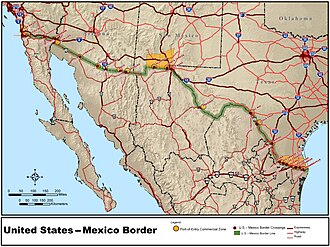
Operation Wetback

Operation Wetback was a derogatory initiative that resulted in the deportation of at least one million Mexican people from the United States. The operation targeted Mexican Americans and Mexican immigrants, often without proper documentation or legal process. This policy represented systematic racial …

Southwest U.S., US
Latino
Read more about this entry
Operation Wetback was a derogatory initiative that resulted in the deportation of at least one million Mexican people from the United States. The operation targeted Mexican Americans and Mexican immigrants, often without proper documentation or legal process. This policy represented systematic racial discrimination against Latino communities and resulted in widespread family separations and community destruction.
1945
1945
institutional cultural policy

Japanese American Wartime Incarceration Ends

The last Japanese American incarceration camp closed on November 30, 1945, marking the official end of the four-year program that stripped over 120,000 people of freedom and property [2]. While the Roosevelt administration declared the period of 'military necessity' over in December …

Pacific Coast, US, US
Incarceration & camps Japanese American
Read more about this entry
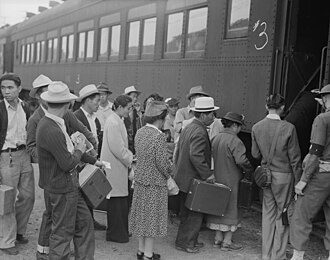
The last Japanese American incarceration camp closed on November 30, 1945, marking the official end of the four-year program that stripped over 120,000 people of freedom and property [2]. While the Roosevelt administration declared the period of 'military necessity' over in December 1944 allowing returns to the Pacific Coast, the full process of returning to communities took years, and many faced continued resistance [2][13]. President Harry S. Truman signed Executive Order 9742 on June 25, 1946, ordering the liquidation of the War Relocation Authority [14].
1944
1944
institutional policy

Exclusion Orders Rescinded

On December 17, 1944, the Roosevelt administration rescinded the exclusion orders that had mandated Japanese American removal from the West Coast. Nine of the ten incarceration camps were shut down by the end of 1945. This marked the official end of the …

Washington, DC, DC
Incarceration & camps Japanese American Land & treaties
Read more about this entry
On December 17, 1944, the Roosevelt administration rescinded the exclusion orders that had mandated Japanese American removal from the West Coast. Nine of the ten incarceration camps were shut down by the end of 1945. This marked the official end of the forced removal policy, though many Japanese Americans faced barriers returning to their homes.
1942
1942
institutional policy

Bracero Program Initiation

The Bracero Program was initiated in 1942 through agreements between the U.S. and Mexican governments to allow temporary laborers from Mexico to work legally in the United States during World War II[4]. The program guaranteed workers minimum wages, housing, and protection from …

Washington, DC, DC
Housing & redlining
Read more about this entry
The Bracero Program was initiated in 1942 through agreements between the U.S. and Mexican governments to allow temporary laborers from Mexico to work legally in the United States during World War II[4]. The program guaranteed workers minimum wages, housing, and protection from discrimination, though many faced wage theft, racial discrimination, and abuse by agricultural corporations[2][5]. Over its 22-year duration, more than 4.5 million Mexican workers arrived, primarily for agricultural and railroad work in Texas and California[1][4].
1913
1913
institutional policy

Woodrow Wilson Institutionalizes Federal Segregation

President Woodrow Wilson institutionalized segregation in the federal civil service, reversing earlier Reconstruction-era efforts to integrate federal workplaces. By the end of World War I, the District of Columbia was thoroughly segregated, including federal buildings and services. This policy marked a significant …

Washington, DC, DC
African American Jim Crow
Read more about this entry
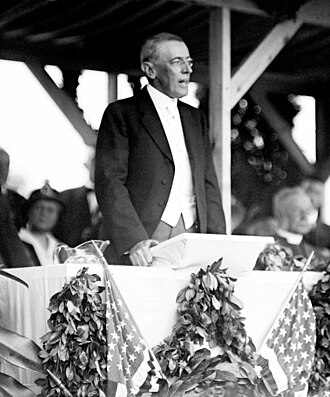
President Woodrow Wilson institutionalized segregation in the federal civil service, reversing earlier Reconstruction-era efforts to integrate federal workplaces. By the end of World War I, the District of Columbia was thoroughly segregated, including federal buildings and services. This policy marked a significant federal endorsement of racial discrimination and undermined Black civil servants' rights.
1909
1909
institutional policy

NAACP Founded at National Negro Conference

The National Negro Conference met in New York City and founded the National Association for the Advancement of Colored People (NAACP), a major civil rights organization dedicated to fighting racial discrimination and violence. The organization emerged in response to rising lynching rates, …

New York City, New York, NY
African American Civil rights movement Jim Crow Racial violence Voting rights
Read more about this entry
The National Negro Conference met in New York City and founded the National Association for the Advancement of Colored People (NAACP), a major civil rights organization dedicated to fighting racial discrimination and violence. The organization emerged in response to rising lynching rates, segregation laws, and disenfranchisement of Black voters. The NAACP became a leading force in legal challenges to Jim Crow and racial violence.
1893
1893
institutional policy

Overthrow of the Hawaiian Kingdom

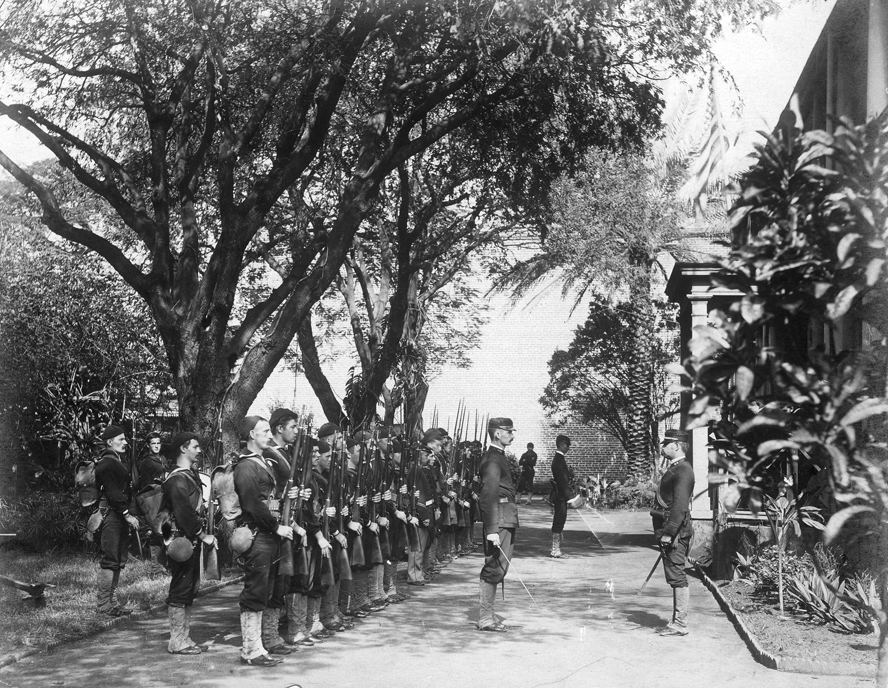
American businessmen and U.S. Marines overthrew Queen Liliʻuokalani, paving the way for annexation; the United States later apologized for the illegal overthrow in the 1993 Apology Resolution.

Honolulu, Hawaiʻi, HI
Indigenous
Read more about this entry
American businessmen and U.S. Marines overthrew Queen Liliʻuokalani, paving the way for annexation; the United States later apologized for the illegal overthrow in the 1993 Apology Resolution.
1887
1887
institutional policy

Indian Appropriations Act and Allotment Policy Initiation

The Dawes Act (Indian Appropriations Act of 1887) authorized the federal government to divide Native American tribal lands into individual allotments, breaking up communal land ownership. This policy aimed to assimilate Indigenous peoples by forcing them into private farming and undermining tribal …

Washington, D.C., DC
Indigenous Land & treaties
Read more about this entry
The Dawes Act (Indian Appropriations Act of 1887) authorized the federal government to divide Native American tribal lands into individual allotments, breaking up communal land ownership. This policy aimed to assimilate Indigenous peoples by forcing them into private farming and undermining tribal sovereignty. Millions of acres of Native land were subsequently sold to non-Native settlers.
1887
institutional policy

Allotment of Native Lands under the Dawes Act Implementation

The Dawes Act (1887) authorized the breakup of tribal lands into individual allotments, leading to the loss of over 90 million acres of Native land by 1934 [7]. By the 1890s, the policy was actively enforced, dismantling communal land ownership and forcing …

Washington, DC, DC
Indigenous Land & treaties
Read more about this entry
The Dawes Act (1887) authorized the breakup of tribal lands into individual allotments, leading to the loss of over 90 million acres of Native land by 1934 [7]. By the 1890s, the policy was actively enforced, dismantling communal land ownership and forcing assimilation [7].
1882
1882
institutional policy

Chinese Exclusion Act

Federal law barred most Chinese immigration and denied naturalization to Chinese residents—the first major U.S. law restricting immigration by nationality. Repealed in stages; remains a landmark of race-based immigration policy.

Washington D.C. (federal law), DC
Asian American
1879
1879
institutional cultural policy

Pyramid Lake Paiute Land and Water Struggles

Paiute communities at Pyramid Lake faced repeated encroachment and water diversion that undermined fisheries and treaty lands, part of a longer fight for Indigenous water rights in the arid West.

Pyramid Lake, Nevada, NV
Indigenous Land & treaties
Read more about this entry
Paiute communities at Pyramid Lake faced repeated encroachment and water diversion that undermined fisheries and treaty lands, part of a longer fight for Indigenous water rights in the arid West.
1877
1877
institutional policy

Compromise of 1877 and End of Reconstruction

Following the disputed 1876 presidential election, a political bargain known as the Compromise of 1877 awarded the presidency to Rutherford B. Hayes in exchange for withdrawing all remaining federal troops from the South. This ended military enforcement of Reconstruction policies and allowed …

Washington, DC, DC
African American Civil rights movement Jim Crow
Read more about this entry
Following the disputed 1876 presidential election, a political bargain known as the Compromise of 1877 awarded the presidency to Rutherford B. Hayes in exchange for withdrawing all remaining federal troops from the South. This ended military enforcement of Reconstruction policies and allowed Southern states to establish Jim Crow laws without federal interference. The withdrawal marked the effective end of federal protection for Black civil rights.
1876
1876
institutional policy

Jim Crow Laws

Between 1876 and 1965, state and local laws in Southern and border states mandated 'separate but equal' status for Black Americans, enforcing racial segregation in public facilities, education, and transportation. These laws, collectively known as Jim Crow, systematically discriminated against Black people …

Southern and border states, US
African American Jim Crow
Read more about this entry
Between 1876 and 1965, state and local laws in Southern and border states mandated 'separate but equal' status for Black Americans, enforcing racial segregation in public facilities, education, and transportation. These laws, collectively known as Jim Crow, systematically discriminated against Black people and reinforced racial inequality.
1871
1871
institutional cultural policy

Congress Investigates Klan Violence

The Senate passed a resolution creating the Select Committee to Investigate Alleged Outrages in the Southern States to document Ku Klux Klan atrocities. Supported by President Ulysses S. Grant, this investigation compiled critical evidence of Klan violence and helped justify new laws …

Washington, DC, DC
Civil rights movement
Read more about this entry
The Senate passed a resolution creating the Select Committee to Investigate Alleged Outrages in the Southern States to document Ku Klux Klan atrocities.
Supported by President Ulysses S. Grant, this investigation compiled critical evidence of Klan violence and helped justify new laws to protect American rights.
The inquiry prompted the formation of the U.S. Department of Justice and spurred mass prosecutions of individual KKK members.
1865
1865
institutional policy

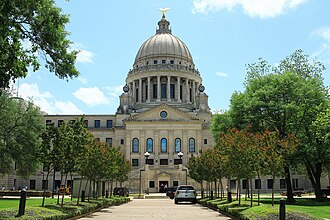
Mississippi Black Code Passage

Mississippi passed the first Black Codes after the 13th Amendment abolished slavery, restricting the rights of freedmen through laws requiring labor contracts, prohibiting property ownership, and enforcing vagrancy penalties. These laws were quickly adopted by other Southern states to maintain racial control[10].

Jackson, Mississippi, MS
African American Labor Slavery & emancipation
Read more about this entry
Mississippi passed the first Black Codes after the 13th Amendment abolished slavery, restricting the rights of freedmen through laws requiring labor contracts, prohibiting property ownership, and enforcing vagrancy penalties. These laws were quickly adopted by other Southern states to maintain racial control[10].