S.T.O.R.I.E.S.

Historical Timeline

Sequential Timeline of Racist Incidents, Events, and Sites

Place Philadelphia, Pennsylvania Clear place All places
2026
2026
institutional cultural court case legislation

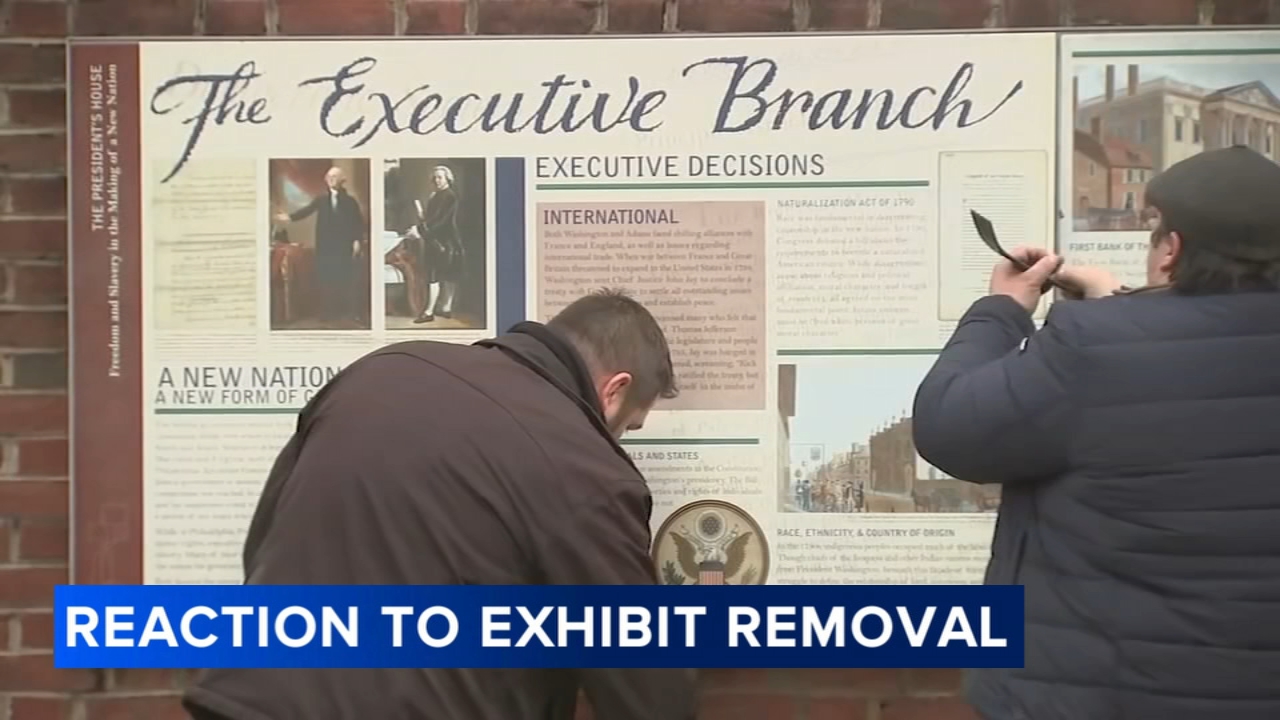
Philadelphia Lawsuit Over President's House Exhibit Removal

Philadelphia officials filed suit over the dismantling of slavery-related exhibits at the President's House site, citing a 2006 city–federal agreement; AP News and local outlets covered the dispute and judicial review.

Philadelphia, Pennsylvania, PA
Land & treaties Museums & memory Slavery & emancipation
1833
1833
institutional discrimination

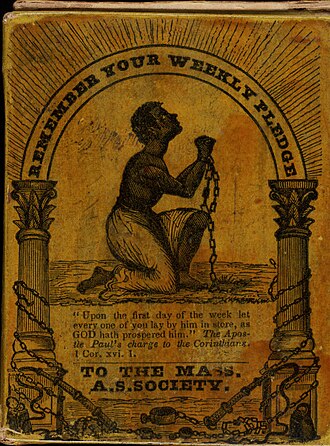
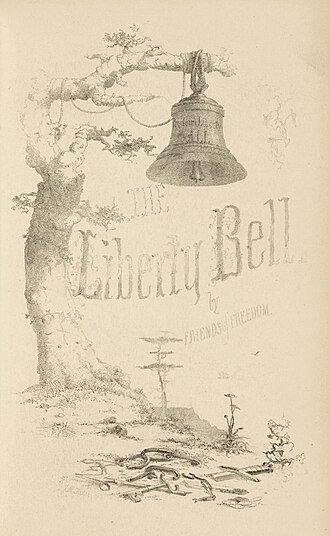
American Anti-Slavery Society Founded

The American Anti-Slavery Society was established in Philadelphia, becoming the first national organization dedicated to the immediate abolition of slavery. It mobilized thousands of members across the North to promote emancipation through petitions, lectures, and publications. The society played a central role …

Philadelphia, Pennsylvania, PA
Jim Crow Racial violence Slavery & emancipation
Read more about this entry
The American Anti-Slavery Society was established in Philadelphia, becoming the first national organization dedicated to the immediate abolition of slavery. It mobilized thousands of members across the North to promote emancipation through petitions, lectures, and publications. The society played a central role in coordinating abolitionist resistance to racial discrimination.
1789
1789
institutional cultural legislation

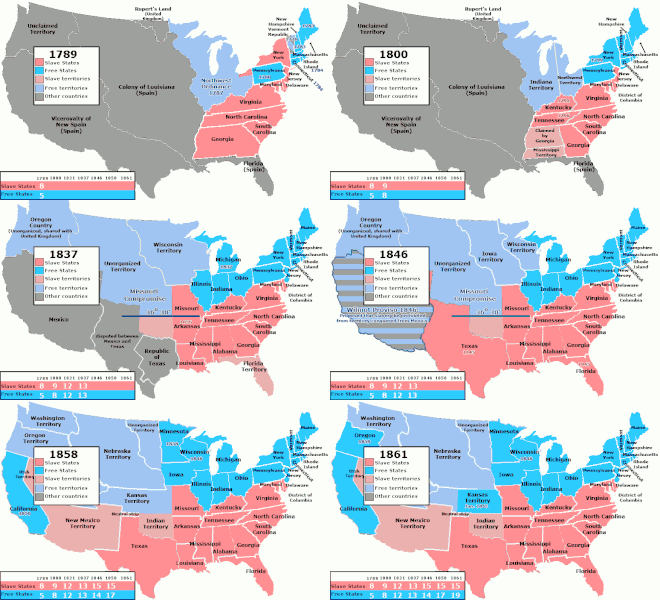
Three-Fifths Clause Adopted in U.S. Constitution

The U.S. Constitution, ratified in 1789, included the Three-Fifths Clause (Article I, Section 2), counting enslaved persons as three-fifths of a person for congressional representation and taxation. This provision amplified the political power of slaveholding states while denying enslaved Black people any …

Philadelphia, Pennsylvania, PA
African American Slavery & emancipation Voting rights
Read more about this entry
The U.S. Constitution, ratified in 1789, included the Three-Fifths Clause (Article I, Section 2), counting enslaved persons as three-fifths of a person for congressional representation and taxation. This provision amplified the political power of slaveholding states while denying enslaved Black people any legal personhood or voting rights. The clause entrenched racial hierarchy in the nation's founding legal framework and remained until the 14th Amendment (1868) superseded it.
1776
1776
institutional discrimination

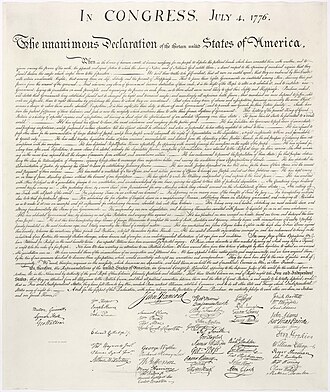
Removal of Anti-Slavery Passage from Declaration of Independence

A passage in the Declaration of Independence authored by Thomas Jefferson that condemned the slave trade was removed due to pressure from southern colonies [6]. The controversial passage criticized the British crown for allowing slavery while denying freedom to colonists [6]. This …

Philadelphia, Pennsylvania, PA
Jim Crow Land & treaties Slavery & emancipation
Read more about this entry
A passage in the Declaration of Independence authored by Thomas Jefferson that condemned the slave trade was removed due to pressure from southern colonies [6]. The controversial passage criticized the British crown for allowing slavery while denying freedom to colonists [6]. This removal demonstrated the political compromise that prioritized southern economic interests over anti-slavery principles.
1775
1775
institutional discrimination

First Abolitionist Meeting in North America

The Society for the Relief of Free Negroes Unlawfully held in Bondage held its first meeting on April 14, 1775 in Philadelphia [6]. This organization became the first abolitionist meeting in North America and later evolved into the Pennsylvania Abolition Society in …

Philadelphia, Pennsylvania, PA
African American Jim Crow Slavery & emancipation
Read more about this entry
The Society for the Relief of Free Negroes Unlawfully held in Bondage held its first meeting on April 14, 1775 in Philadelphia [6]. This organization became the first abolitionist meeting in North America and later evolved into the Pennsylvania Abolition Society in 1784 [6]. The meeting marks the beginning of organized resistance to slavery in the American colonies.
1775
institutional discrimination

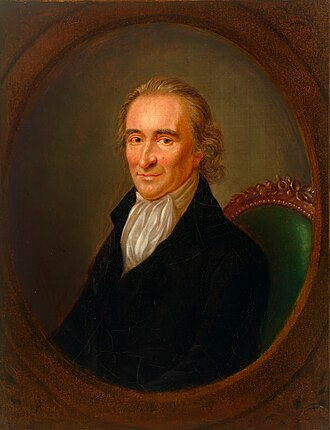
Thomas Paine Publishes 'African Slavery in America'

Thomas Paine published 'African Slavery in America,' one of the earliest and most influential anti-slavery essays in the United States. The pamphlet argued that slavery was morally wrong and incompatible with American ideals of liberty, influencing early abolitionist thought.

Philadelphia, Pennsylvania, PA
Jim Crow Slavery & emancipation
Read more about this entry
Thomas Paine published 'African Slavery in America,' one of the earliest and most influential anti-slavery essays in the United States. The pamphlet argued that slavery was morally wrong and incompatible with American ideals of liberty, influencing early abolitionist thought.
1775
institutional discrimination

Pennsylvania Abolition Society Established

The Pennsylvania Abolition Society became the first organized anti-slavery group in the United States, working to end slavery through legal action and advocacy. The society assisted enslaved people seeking freedom and challenged the institution of slavery in court and public discourse.

Philadelphia, Pennsylvania, PA
Jim Crow Slavery & emancipation
Read more about this entry
The Pennsylvania Abolition Society became the first organized anti-slavery group in the United States, working to end slavery through legal action and advocacy. The society assisted enslaved people seeking freedom and challenged the institution of slavery in court and public discourse.