Real estate agents and banks in New York City systematically enforced racially restrictive housing covenants that barred Black residents from buying homes in white neighborhoods. These practices laid the foundation for modern redlining, where federal and private lenders denied mortgages in minority …
📍New York City, New York, NY
👤African AmericanHousing & redliningJim Crow
Read more about this entry
Real estate agents and banks in New York City systematically enforced racially restrictive housing covenants that barred Black residents from buying homes in white neighborhoods. These practices laid the foundation for modern redlining, where federal and private lenders denied mortgages in minority areas based on race. The covenants were legally upheld until Shelley v. Kraemer in 1948, which ruled them unenforceable under the 14th Amendment.
The National Negro Conference met in New York City and founded the National Association for the Advancement of Colored People (NAACP), a major civil rights organization dedicated to fighting racial discrimination and violence. The organization emerged in response to rising lynching rates, …
📍New York City, New York, NY
👤African AmericanCivil rights movementJim CrowRacial violenceVoting rights
Read more about this entry
The National Negro Conference met in New York City and founded the National Association for the Advancement of Colored People (NAACP), a major civil rights organization dedicated to fighting racial discrimination and violence. The organization emerged in response to rising lynching rates, segregation laws, and disenfranchisement of Black voters. The NAACP became a leading force in legal challenges to Jim Crow and racial violence.
In 1834, an anti-abolitionist riot occurred in New York City, representing early organized resistance to the abolition of slavery. The riot was part of a broader pattern of racial and political violence in the decades leading up to the Civil War. This …
📍New York City, New York, NY
👤Racial violenceSlavery & emancipation
Read more about this entry
In 1834, an anti-abolitionist riot occurred in New York City, representing early organized resistance to the abolition of slavery. The riot was part of a broader pattern of racial and political violence in the decades leading up to the Civil War. This event demonstrates the deep divisions over slavery and racial equality in the early 19th century.
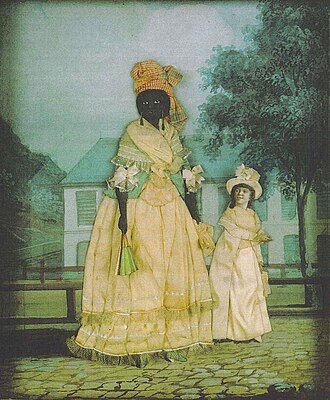
Following gradual abolition laws in New York, the first significant free Black community emerged in New York City, establishing churches, schools, and social organizations. Despite legal freedom, Black residents faced severe discrimination, including exclusion from public institutions and limited economic opportunities.
Following gradual abolition laws in New York, the first significant free Black community emerged in New York City, establishing churches, schools, and social organizations. Despite legal freedom, Black residents faced severe discrimination, including exclusion from public institutions and limited economic opportunities.
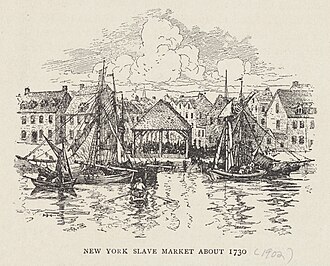
In 1712, enslaved Africans in New York City attempted a revolt, which was quickly suppressed by colonial authorities [2]. The revolt led to harsher slave codes and increased restrictions on enslaved people's movements and gatherings [2]. This event highlights early resistance to …
In 1712, enslaved Africans in New York City attempted a revolt, which was quickly suppressed by colonial authorities [2]. The revolt led to harsher slave codes and increased restrictions on enslaved people's movements and gatherings [2]. This event highlights early resistance to slavery and the colonial response to Black uprising.