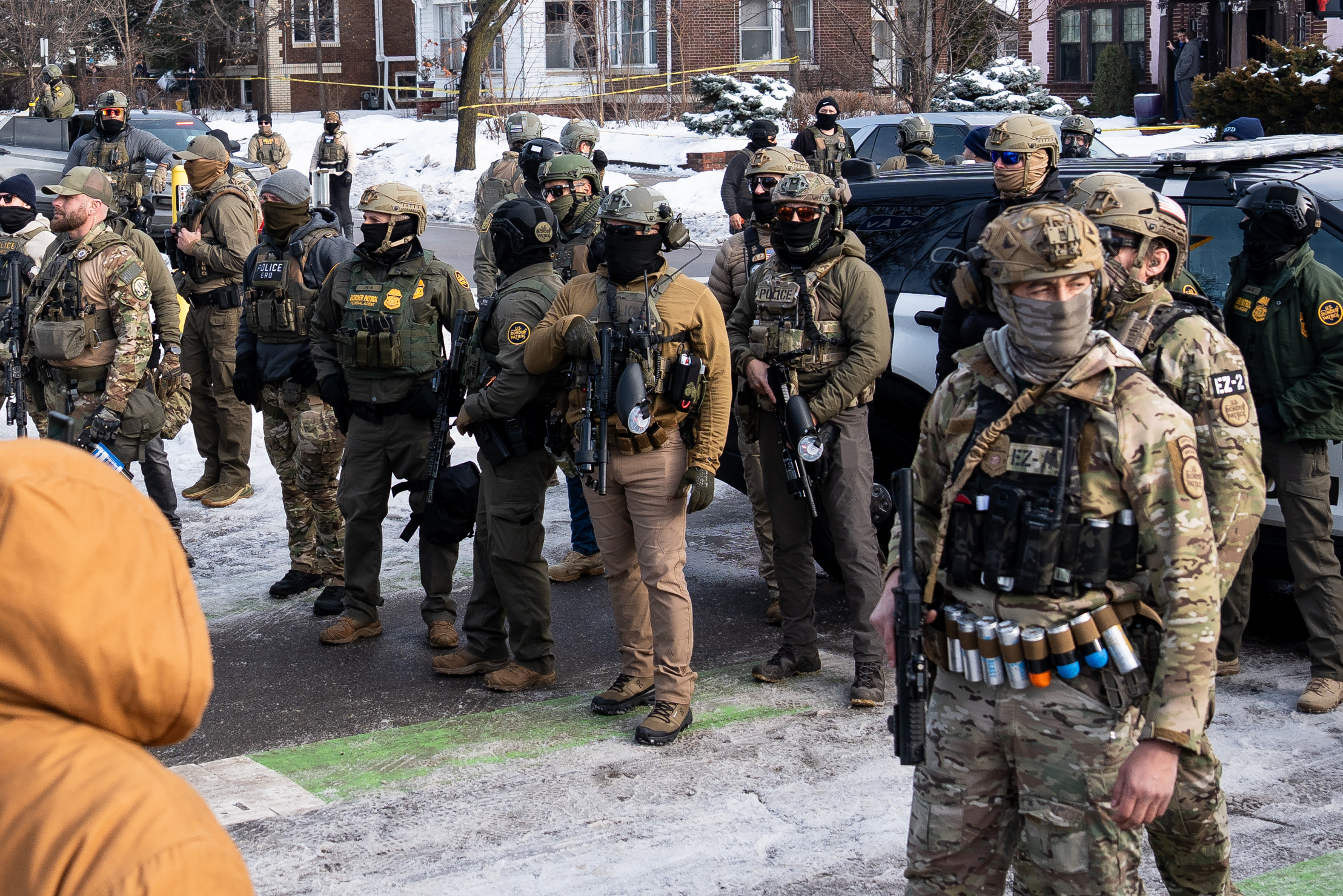
Community organizations reported a significant increase in ICE activity in Chicago Latino neighborhoods including Back of the Yards, Gage Park, and Brighton Park over the past two weeks. The Illinois Latino Agenda co-chair stated at least 36 people were taken into ICE …
📍Chicago, Illinois, IL
👤Jim CrowLatino
Read more about this entry
Community organizations reported a significant increase in ICE activity in Chicago Latino neighborhoods including Back of the Yards, Gage Park, and Brighton Park over the past two weeks. The Illinois Latino Agenda co-chair stated at least 36 people were taken into ICE custody during this period, prompting advocates to ramp up outreach.
Jesse Jackson led Operation Breadbasket under the banner of requiring grocery store chains to buy and display products from Black-owned small businesses. This campaign was part of the broader Black Power movement's push for economic justice and community control beyond legal equality[9]. …
📍Chicago, Illinois, IL
👤African AmericanJim Crow
Read more about this entry
Jesse Jackson led Operation Breadbasket under the banner of requiring grocery store chains to buy and display products from Black-owned small businesses. This campaign was part of the broader Black Power movement's push for economic justice and community control beyond legal equality[9]. It targeted systemic economic discrimination in Chicago's retail sector[9].
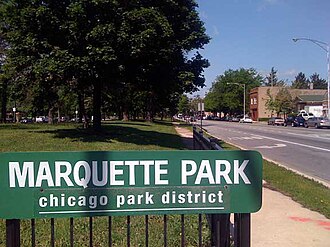
In August 1966, the Chicago Open Housing Movement included marches through Marquette Park, where white mobs violently attacked nonviolent Black protesters and civil rights leaders. The attacks involved rocks, bottles, and racial epithets, marking a significant instance of white-on-Black racial disturbance during …
📍Chicago, Illinois, IL
👤African AmericanCivil rights movementHousing & redliningRacial violence
Read more about this entry
In August 1966, the Chicago Open Housing Movement included marches through Marquette Park, where white mobs violently attacked nonviolent Black protesters and civil rights leaders. The attacks involved rocks, bottles, and racial epithets, marking a significant instance of white-on-Black racial disturbance during the civil rights era[1][10]. The violence underscored the fierce resistance to open housing in Northern cities[1].
Martin Luther King Jr. led mass marches and rallies demanding open housing policies from Mayor Richard J. Daley and the city of Chicago. White mobs attacked nonviolent protesters, resulting in significant tension and violence during the campaign. The movement concluded with a …
📍Chicago, Illinois, IL
👤Civil rights movementHousing & redliningRacial violence
Read more about this entry
Martin Luther King Jr. led mass marches and rallies demanding open housing policies from Mayor Richard J. Daley and the city of Chicago. White mobs attacked nonviolent protesters, resulting in significant tension and violence during the campaign. The movement concluded with a Summit Conference that produced the Summit Agreement, committing real estate agents to ensure minority access to housing[1][9].
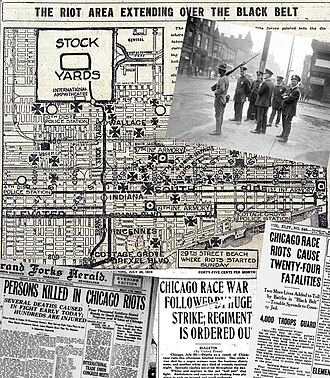
The Chicago Race Riot lasted 13 days, beginning when a Black youth was killed by a white man at a beach on South Side. It resulted in 38 deaths (23 Black, 15 white), over 500 injuries, and the destruction of 1,000 Black …
The Chicago Race Riot lasted 13 days, beginning when a Black youth was killed by a white man at a beach on South Side. It resulted in 38 deaths (23 Black, 15 white), over 500 injuries, and the destruction of 1,000 Black homes, primarily in the Bronzeville neighborhood[2]. The riot was fueled by tensions over housing, employment, and racial boundary violations in a rapidly growing industrial city.