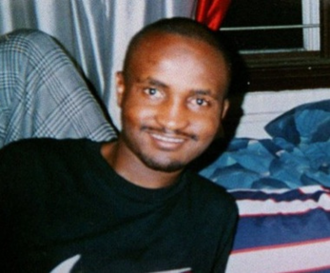
Amadou Diallo, an unarmed Black man from Guinea, was shot 41 times by four NYPD officers who mistakenly believed he was reaching for a gun. The officers were initially charged with murder but acquitted in 2000, sparking massive protests and accusations of …
📍New York, NY, NY
👤African AmericanPolicingRacial violence
Read more about this entry
Amadou Diallo, an unarmed Black man from Guinea, was shot 41 times by four NYPD officers who mistakenly believed he was reaching for a gun. The officers were initially charged with murder but acquitted in 2000, sparking massive protests and accusations of racial bias in the justice system. The case became a symbol of police brutality and the need for reform in New York City's policing practices.
Over 100,000 people gathered in New York City to protest police brutality after the killing of Amadou Diallo, an unarmed Black man shot 41 times by NYPD officers. The march, organized by community groups and civil rights organizations, demanded accountability for police …
📍New York, NY, NY
👤African AmericanCivil rights movementPolicing
Read more about this entry
Over 100,000 people gathered in New York City to protest police brutality after the killing of Amadou Diallo, an unarmed Black man shot 41 times by NYPD officers. The march, organized by community groups and civil rights organizations, demanded accountability for police violence and racial justice. It became one of the largest anti-police brutality demonstrations in U.S. history before the George Floyd protests.
A comprehensive NYPD survey revealed that Black and Latino men were stopped, questioned, and frisked at rates 5 to 10 times higher than white men, despite similar crime rates. The data showed that 87% of those stopped were Black or Latino, while …
📍New York, NY, NY
👤African AmericanJim CrowLatinoPolicing
Read more about this entry
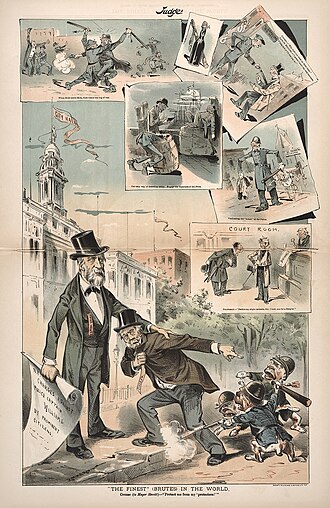
A comprehensive NYPD survey revealed that Black and Latino men were stopped, questioned, and frisked at rates 5 to 10 times higher than white men, despite similar crime rates. The data showed that 87% of those stopped were Black or Latino, while only 13% were white. The findings exposed systemic racial bias in police stop-and-frisk practices, fueling demands for reform and accountability.