Alicia Garza, Patrisse Cullors, and Opal Tometi founded the #BlackLivesMatter movement online following the acquittal of George Zimmerman. The movement organized national protests against police brutality and systemic racism.
📍New York, New York, NY
👤African AmericanJim CrowPolicing
Read more about this entry
Alicia Garza, Patrisse Cullors, and Opal Tometi founded the #BlackLivesMatter movement online following the acquittal of George Zimmerman. The movement organized national protests against police brutality and systemic racism.
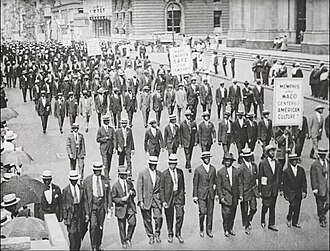
Nearly 10,000 African Americans and supporters marched silently down Fifth Avenue on July 28, organized by the NAACP to protest lynching, race riots, and rights denial [6]. It was the first major public protest by Black Americans in New York City [6].
📍New York, New York, NY
👤African AmericanCivil rights movementRacial violence
Read more about this entry
Nearly 10,000 African Americans and supporters marched silently down Fifth Avenue on July 28, organized by the NAACP to protest lynching, race riots, and rights denial [6]. It was the first major public protest by Black Americans in New York City [6].
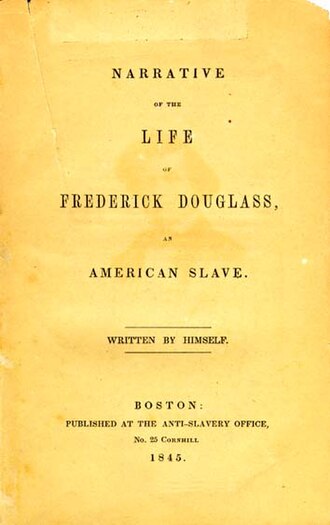
Frederick Douglass published his autobiography, Narrative of the Life of Frederick Douglass, an American Slave, one of the most influential works of the abolition movement. The book exposed the brutal realities of slavery and Douglass's journey to freedom, galvanizing public opposition to …
📍New York, New York, NY
👤Jim CrowSlavery & emancipation
Read more about this entry
Frederick Douglass published his autobiography, Narrative of the Life of Frederick Douglass, an American Slave, one of the most influential works of the abolition movement. The book exposed the brutal realities of slavery and Douglass's journey to freedom, galvanizing public opposition to racial discrimination. It became a best-known work that helped reshape national discourse on slavery.