S.T.O.R.I.E.S.

Historical Timeline

Sequential Timeline of Racist Incidents, Events, and Sites

Place Greensboro, North Carolina Clear place All places
1969
1969
institutional cultural violence

Greensboro Uprising

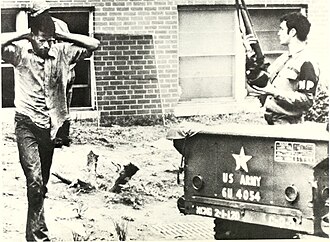
The 1969 Greensboro uprising was a white-on-Black racial disturbance occurring during protests against police brutality and segregation in the city. It represented a distinct pattern of white resistance to civil rights demonstrations, contrasting with the African American ghetto riots of the mid-1960s[10]. …

Greensboro, North Carolina, NC
African American Civil rights movement Jim Crow Policing Racial violence
Read more about this entry
The 1969 Greensboro uprising was a white-on-Black racial disturbance occurring during protests against police brutality and segregation in the city. It represented a distinct pattern of white resistance to civil rights demonstrations, contrasting with the African American ghetto riots of the mid-1960s[10]. The event highlighted ongoing racial tensions in the South despite federal civil rights legislation[10].
1960
1960
institutional policy

Greensboro Sit-Ins

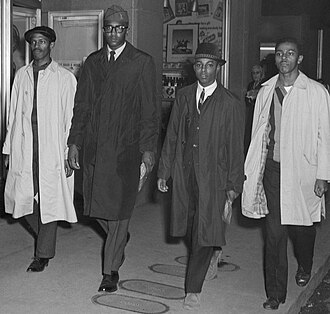
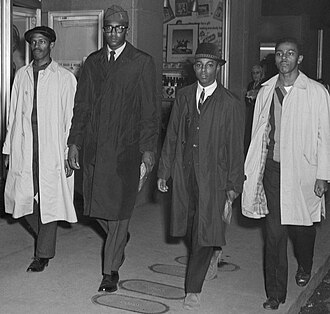
Beginning in February 1960, four Black college students sat at a segregated Woolworth lunch counter in Greensboro, sparking a sit-in movement that spread across the South [5]. The protests challenged segregation in public accommodations and became a pivotal moment in the Civil …

Greensboro, North Carolina, NC
African American Civil rights movement Education & schools Jim Crow
Read more about this entry
Beginning in February 1960, four Black college students sat at a segregated Woolworth lunch counter in Greensboro, sparking a sit-in movement that spread across the South [5]. The protests challenged segregation in public accommodations and became a pivotal moment in the Civil Rights Movement [5]. Their tactics inspired widespread nonviolent resistance against Jim Crow laws [5].
1960
institutional cultural policy

Greensboro Sit-Ins

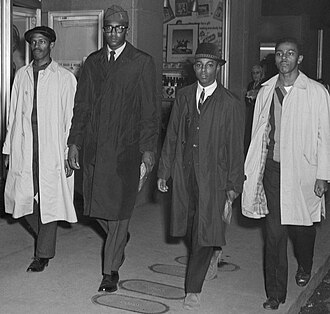
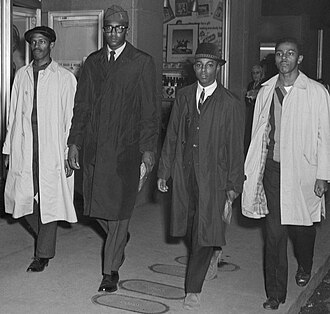
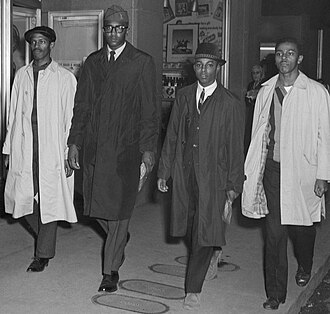
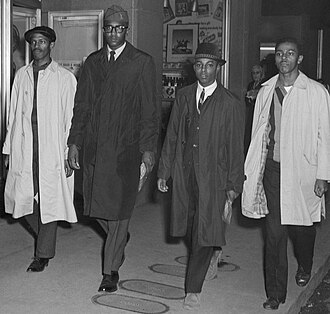
In February 1960, the Greensboro Four (Ezell Blair Jr., David Richmond, Joseph McNeil, and Franklin McCain) began sit-ing at a segregated Woolworth's lunch counter[2]. Their protest sparked the sit-in movement across the South, with thousands of young people participating in similar demonstrations …

Greensboro, North Carolina, NC
Civil rights movement Jim Crow
Read more about this entry
In February 1960, the Greensboro Four (Ezell Blair Jr., David Richmond, Joseph McNeil, and Franklin McCain) began sit-ing at a segregated Woolworth's lunch counter[2]. Their protest sparked the sit-in movement across the South, with thousands of young people participating in similar demonstrations to challenge segregation in public accommodations[2].
1960
institutional policy

Greensboro Sit-Ins

Four Black students from North Carolina Agricultural and Technical College staged a sit-in at a segregated Woolworth's lunch counter in Greensboro, North Carolina. Although refused service, they were allowed to stay at the counter, triggering many similar nonviolent protests throughout the South. …

Greensboro, North Carolina, NC
African American Civil rights movement Education & schools Jim Crow
Read more about this entry
Four Black students from North Carolina Agricultural and Technical College staged a sit-in at a segregated Woolworth's lunch counter in Greensboro, North Carolina. Although refused service, they were allowed to stay at the counter, triggering many similar nonviolent protests throughout the South. The event inspired the founding of the Student Nonviolent Coordinating Committee (SNCC), giving young Black people a more vital role in the civil rights movement.
1960
institutional discrimination

Greensboro Sit-Ins

Four Black college students staged a sit-in at a segregated Woolworth's lunch counter, refusing to leave after being denied service. Their peaceful protest sparked a nationwide wave of sit-ins and became a catalyst for the Student Nonviolent Coordinating Committee (SNCC). The event …

Greensboro, North Carolina, NC
African American Civil rights movement Education & schools Jim Crow
Read more about this entry
Four Black college students staged a sit-in at a segregated Woolworth's lunch counter, refusing to leave after being denied service. Their peaceful protest sparked a nationwide wave of sit-ins and became a catalyst for the Student Nonviolent Coordinating Committee (SNCC). The event marked a new phase of youth-led civil rights activism.
1960
institutional policy

Greensboro Sit-Ins

Four black students from North Carolina Agricultural and Technical College staged a sit-in at a segregated Woolworth's lunch counter in Greensboro, North Carolina[9]. Although refused service, they were allowed to stay at the counter, sparking similar protests across the South[9]. This event …

Greensboro, North Carolina, NC
African American Civil rights movement Education & schools Jim Crow
Read more about this entry
Four black students from North Carolina Agricultural and Technical College staged a sit-in at a segregated Woolworth's lunch counter in Greensboro, North Carolina[9]. Although refused service, they were allowed to stay at the counter, sparking similar protests across the South[9]. This event initiated the sit-in movement that became a major tactic of the civil rights movement[9].
1960
institutional policy

Greensboro Sit-Ins (1960)

Four Black college students from North Carolina A&T staged sit-ins at a Woolworth’s lunch counter, refusing to leave until served. Their peaceful protest sparked a wave of similar demonstrations across the South and helped catalyze the Civil Rights Movement[2]. The event is …

Greensboro, North Carolina, NC
African American Civil rights movement Education & schools Jim Crow
Read more about this entry
Four Black college students from North Carolina A&T staged sit-ins at a Woolworth’s lunch counter, refusing to leave until served. Their peaceful protest sparked a wave of similar demonstrations across the South and helped catalyze the Civil Rights Movement[2]. The event is widely recognized as a pivotal moment in the struggle against segregation in public spaces.