National Museum of American History: Impeachment Exhibit Revised
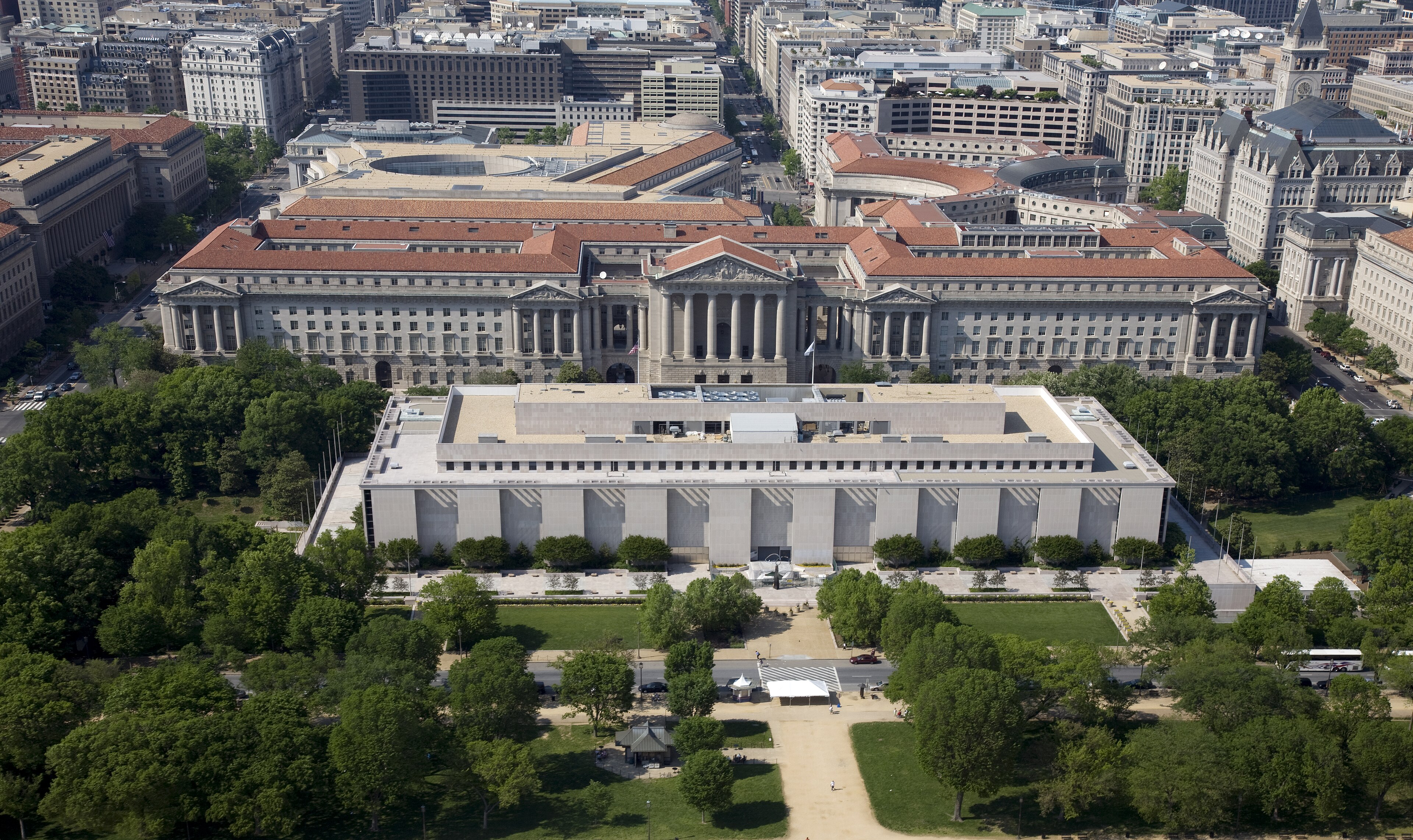
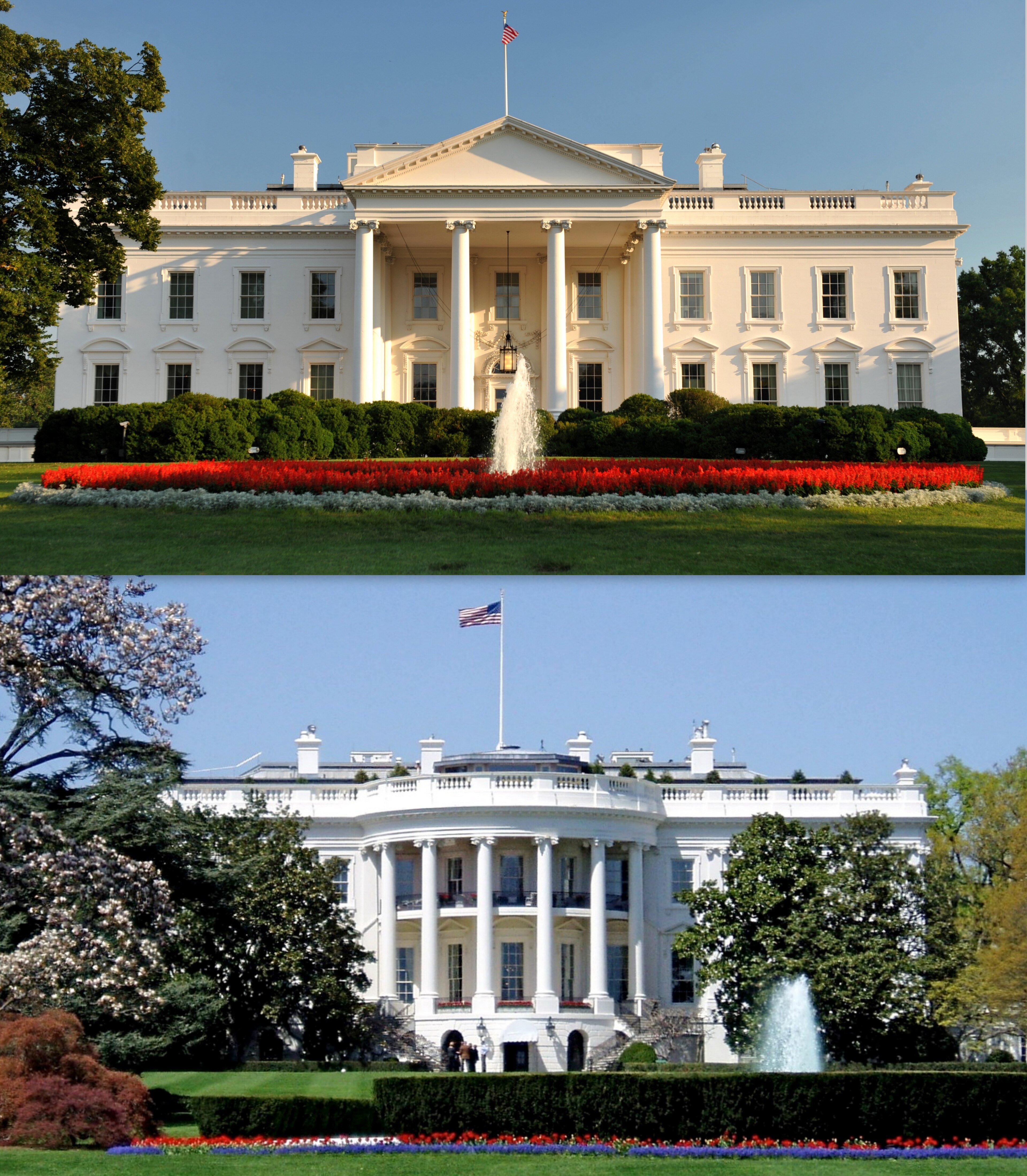
Reuters reported the National Museum of American History removed Donald Trump's name from an exhibit on presidential impeachment, restoring an earlier version of the display.
S.T.O.R.I.E.S.
Sequential Timeline of Racist Incidents, Events, and Sites
Reuters reported the National Museum of American History removed Donald Trump's name from an exhibit on presidential impeachment, restoring an earlier version of the display.
NBC News and other outlets reported dozens of objects tied to slavery and civil rights were no longer on public view at the National Museum of African American History and Culture, including items linked to Harriet Tubman and Frederick Douglass, following an …
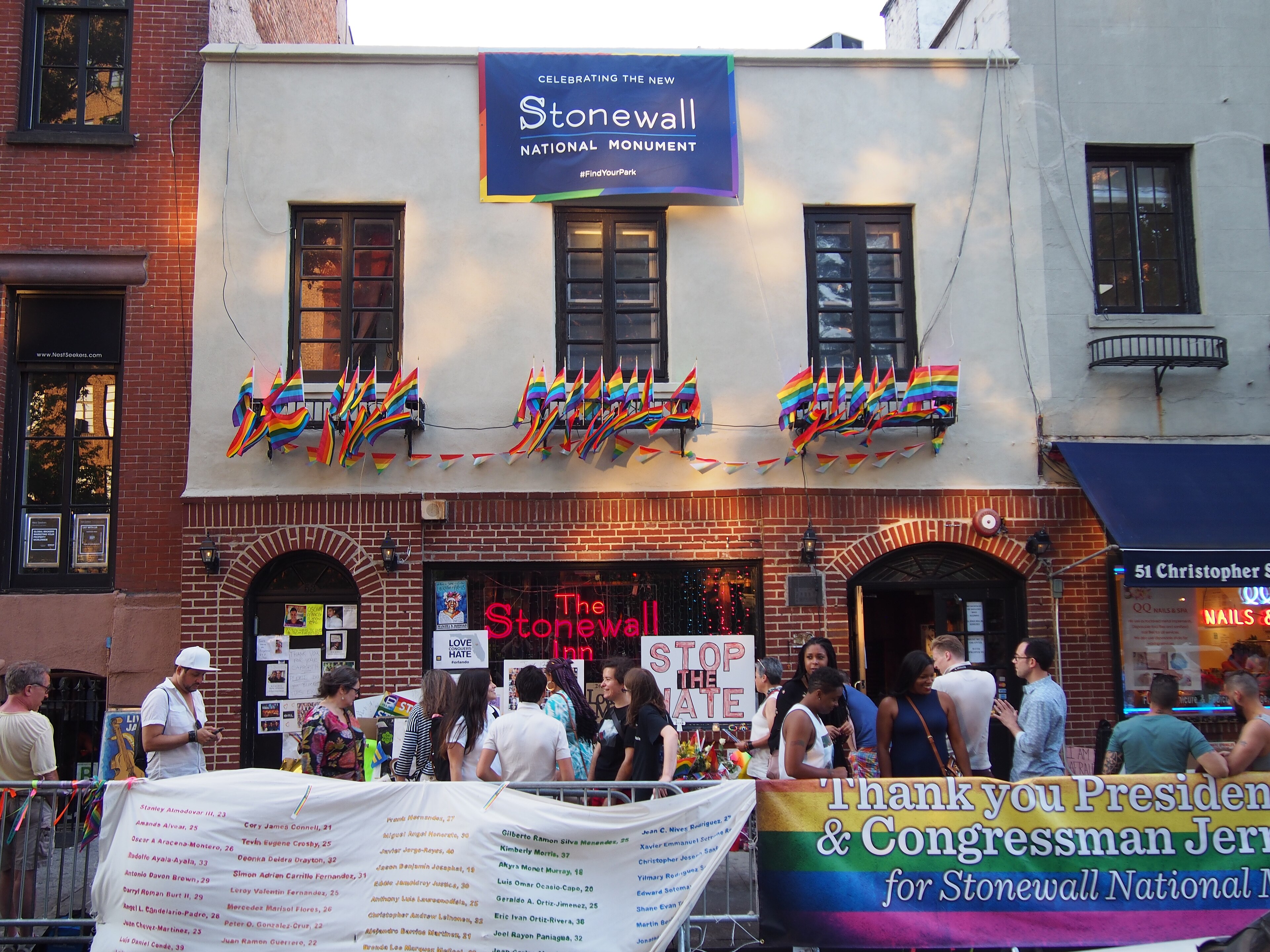
Trump administration removed and altered references to transgender and queer people at Stonewall National Monument — the birthplace of the modern LGBTQ+ rights movement.
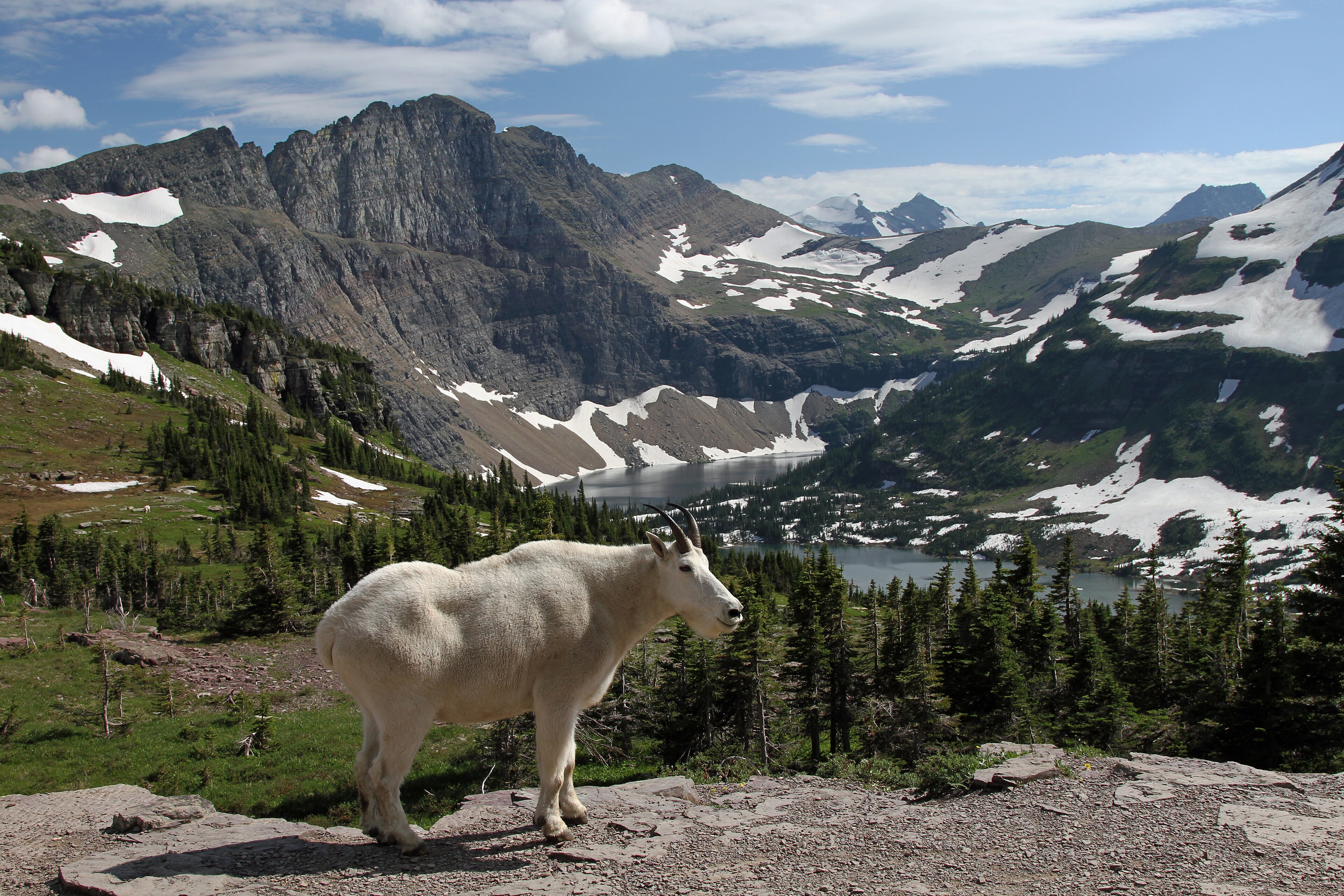
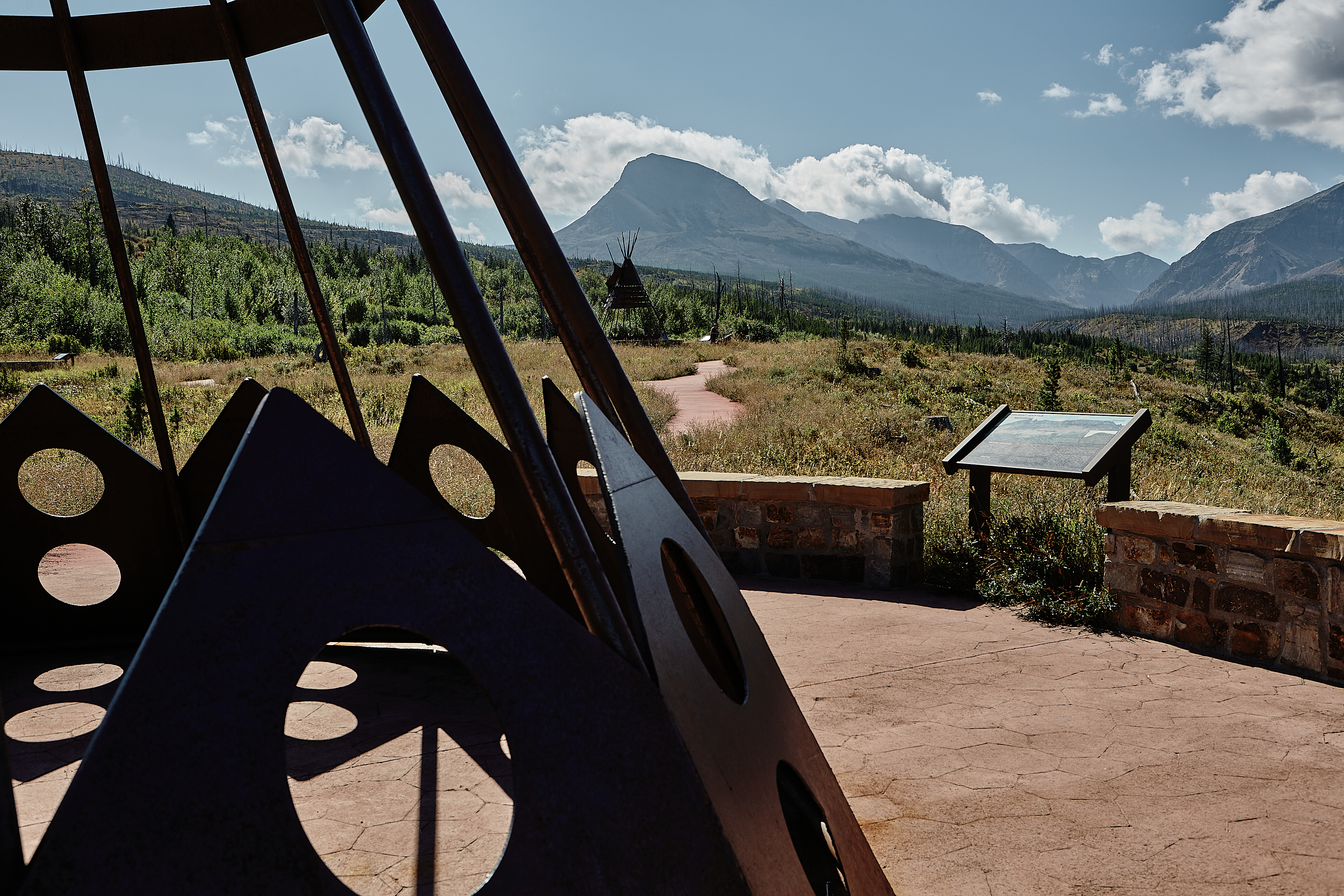
Officials removed descriptions and educational materials explaining how climate change is contributing to glacial loss at Glacier National Park.
National Park Service removed signs and exhibits referencing the forced displacement of Native Americans from Grand Canyon region when the National Park was created.
President Trump signed Executive Order 14253 directing the Department of the Interior and National Park Service to remove exhibits about slavery, Indigenous genocide, civil rights, and climate science from national parks and federal lands.
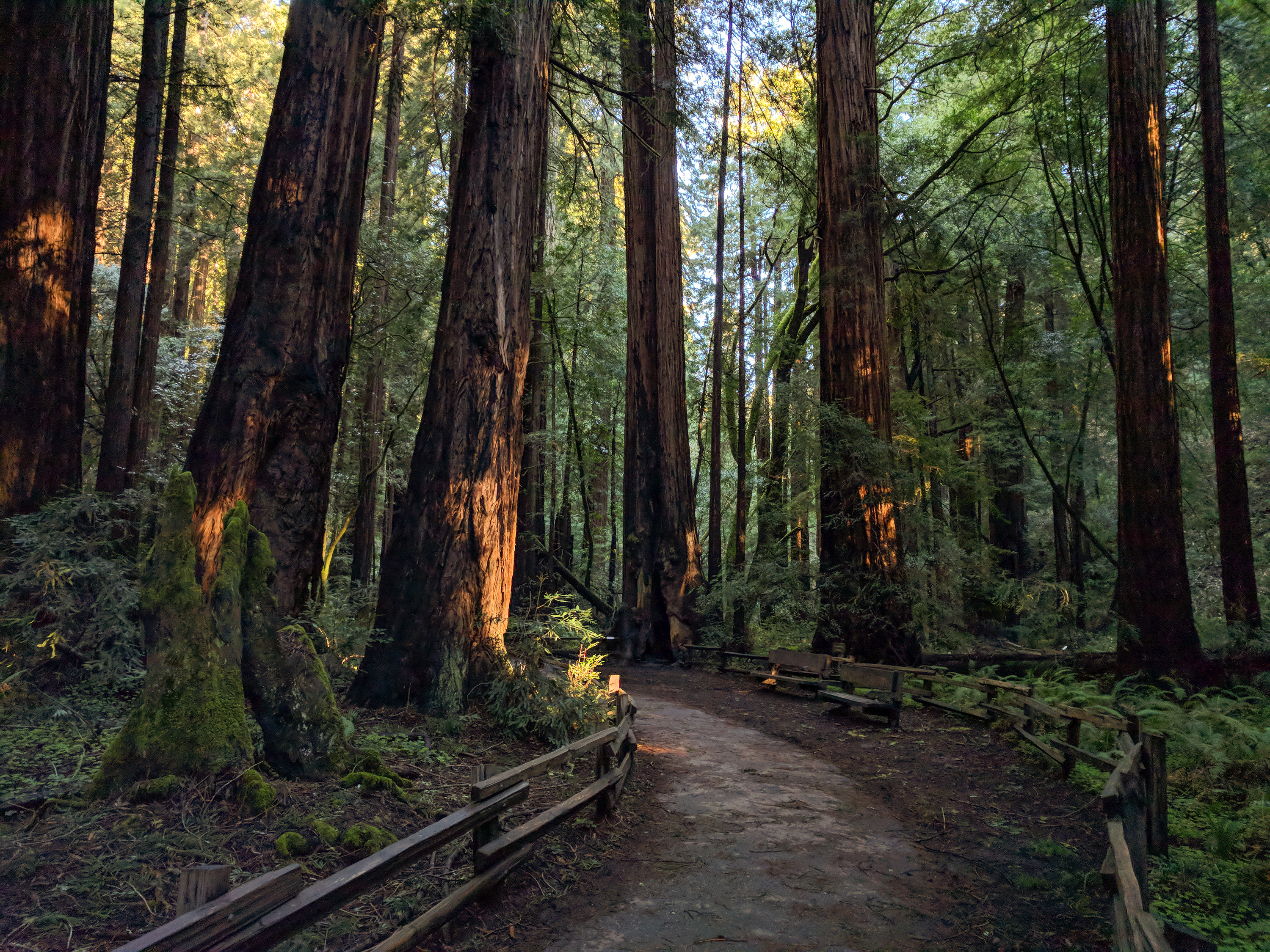
Trump administration removed 'History Under Construction' exhibit acknowledging Coast Miwok Indigenous history and the racist roots of conservation movements at Muir Woods National Monument.
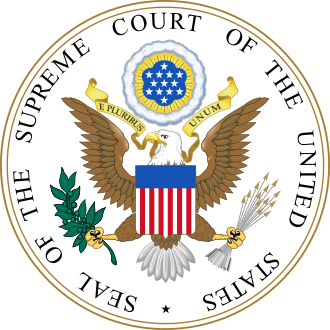
The U.S. Supreme Court allowed law enforcement to use ethnicity and perceived national origin as factors to justify detaining individuals to determine immigration status. This decision weakened protections against racial profiling in immigration enforcement.
The Supreme Court held that universities may no longer use racial preferences in admissions[2]. The 6-3 decision overturned precedent from Bakke and Grutter, ruling that race-based admissions programs violate the Equal Protection Clause[2]. This landmark ruling effectively ended affirmative action in college …
A study published in PubMed Central found that over the study period, 43% of participants reported experiencing stop-and-frisk, with higher rates among Black (47%) and Hispanic/Latinx (45%) participants compared to White participants (38%) [4]. The findings indicate that being Black or Latino …
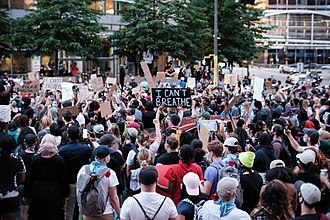
On May 25, 2020, George Floyd, a 46-year-old Black man, was murdered by Minneapolis police officer Derek Chauvin, who pinned his neck with a knee for over 8 minutes while Floyd pleaded for his life. The incident, captured on video, sparked unprecedented …
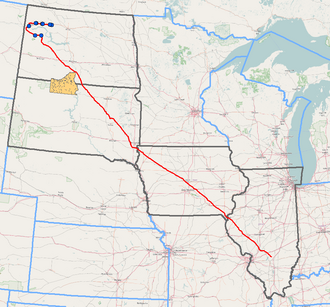
The Standing Rock Sioux Tribe and allies protested the Dakota Access Pipeline as a threat to water and treaty rights, drawing global attention to Indigenous sovereignty and environmental justice.
Dylann Roof, a white supremacist, murdered nine Black people at the Emanuel African Methodist Episcopal Church. The attack targeted the Black community and was motivated by racial hatred, becoming a symbol of domestic terror.
Alicia Garza, Patrisse Cullors, and Opal Tometi founded the #BlackLivesMatter movement online following the acquittal of George Zimmerman. The movement organized national protests against police brutality and systemic racism.
The U.S. Supreme Court struck down the coverage formula of the Voting Rights Act of 1965 in Shelby County v. Holder, effectively removing the 'preclearance' requirement for states with histories of voting discrimination. The Court ruled that the formula was outdated and …
A Columbia University statistical analysis of NYPD stop-and-frisk data found that when comparing stops to DCJS arrests, Blacks were stopped 23% more often than Whites and Hispanics were stopped 39% more often than Whites [2]. The ratio of stops to arrests was …
The New York City Police Department released 2006 stop-and-frisk data showing that Black and Latino residents comprised more than 80% of all individuals searched [1]. The data revealed that while Blacks and Latinos made up 52% and 31% of the population respectively, …
The Supreme Court held that universities may use racial preferences in admissions to achieve 'the educational benefits that flow from a diverse student body'[2]. The Court upheld the University of Michigan Law School's admissions policy, which considered race as a 'plus factor' …
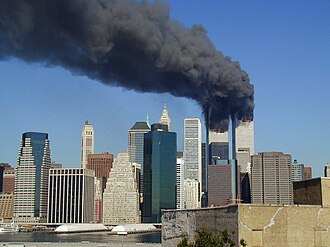
Following the September 11 attacks, the U.S. government implemented aggressive racial profiling targeting Muslim, Arab, and South Asian communities. Policies like the No-Fly List and enhanced surveillance led to widespread discrimination and civil rights violations.
From 1981 to 1997, the USDA discriminated against tens of thousands of Black American farmers by denying loans provided to white farmers in similar circumstances [3]. This systemic discrimination was the subject of the *Pigford v. Glickman* lawsuit, which resulted in a …
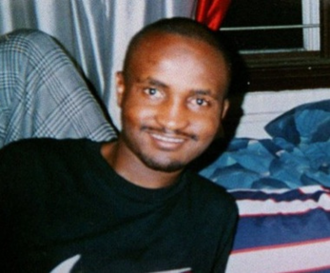
Amadou Diallo, an unarmed Black man from Guinea, was shot 41 times by four NYPD officers who mistakenly believed he was reaching for a gun. The officers were initially charged with murder but acquitted in 2000, sparking massive protests and accusations of …
Over 100,000 people gathered in New York City to protest police brutality after the killing of Amadou Diallo, an unarmed Black man shot 41 times by NYPD officers. The march, organized by community groups and civil rights organizations, demanded accountability for police …
A comprehensive NYPD survey revealed that Black and Latino men were stopped, questioned, and frisked at rates 5 to 10 times higher than white men, despite similar crime rates. The data showed that 87% of those stopped were Black or Latino, while …
California voters approved Proposition 209 in 1996, amending the state constitution to ban all forms of affirmative action in public employment, education, and contracting [6]. The measure declared that the state shall not discriminate against or grant preferential treatment to any individual …