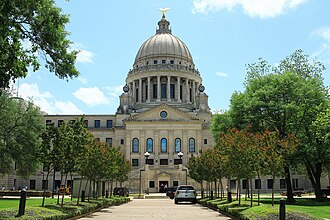
Mississippi passed the first Black Codes after the 13th Amendment abolished slavery, restricting the rights of freedmen through laws requiring labor contracts, prohibiting property ownership, and enforcing vagrancy penalties. These laws were quickly adopted by other Southern states to maintain racial control[10].
📍Jackson, Mississippi, MS
👤African AmericanLaborSlavery & emancipation
Read more about this entry
Mississippi passed the first Black Codes after the 13th Amendment abolished slavery, restricting the rights of freedmen through laws requiring labor contracts, prohibiting property ownership, and enforcing vagrancy penalties. These laws were quickly adopted by other Southern states to maintain racial control[10].
President Andrew Johnson issued executive orders in late 1865 that reversed Sherman’s Field Order No. 15, returning most confiscated land to former Confederate owners despite promises to freedpeople. This policy decision undermined economic justice for Black Americans and signaled federal abandonment of …
📍Washington, DC, DC
👤African AmericanLand & treaties
Read more about this entry
President Andrew Johnson issued executive orders in late 1865 that reversed Sherman’s Field Order No. 15, returning most confiscated land to former Confederate owners despite promises to freedpeople. This policy decision undermined economic justice for Black Americans and signaled federal abandonment of Reconstruction ideals. Johnson’s actions aligned with Southern elites and accelerated the rise of Black Codes.
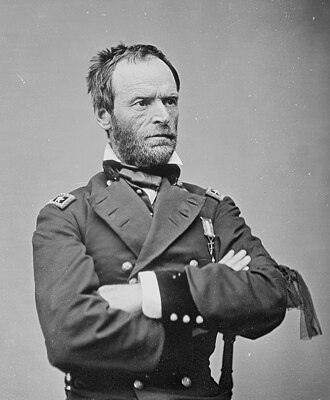
General William Tecumseh Sherman issued Field Order No. 15 on January 16, 1865, redistributing approximately 400,000 acres of confiscated Confederate land to freed Black families in 40-acre plots. The Freedmen’s Bureau later granted legal title to many of these plots, marking the …
General William Tecumseh Sherman issued Field Order No. 15 on January 16, 1865, redistributing approximately 400,000 acres of confiscated Confederate land to freed Black families in 40-acre plots. The Freedmen’s Bureau later granted legal title to many of these plots, marking the first major federal attempt at land redistribution to formerly enslaved people. The policy was reversed by President Andrew Johnson later in 1865, returning most land to its previous owners.
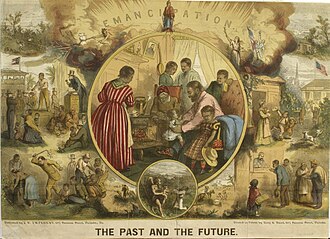
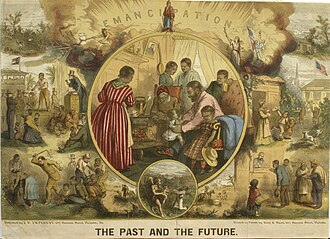
President Abraham Lincoln issued the Emancipation Proclamation on January 1, 1863, declaring that all enslaved people in Confederate states 'henceforth shall be free.' The proclamation fundamentally altered the Civil War's purpose by linking Union victory to emancipation and enabled Black men to …
📍Washington, DC, DC
👤African AmericanLaborSlavery & emancipation
Read more about this entry
President Abraham Lincoln issued the Emancipation Proclamation on January 1, 1863, declaring that all enslaved people in Confederate states 'henceforth shall be free.' The proclamation fundamentally altered the Civil War's purpose by linking Union victory to emancipation and enabled Black men to join the U.S. military.
President Abraham Lincoln signed the Emancipation Proclamation on January 1, 1863, declaring that all enslaved people in Confederate states 'henceforth shall be free.' This executive order shifted the Civil War's purpose to include ending slavery and paved the way for the 13th …
📍Washington, D.C., DC
👤Slavery & emancipation
Read more about this entry
President Abraham Lincoln signed the Emancipation Proclamation on January 1, 1863, declaring that all enslaved people in Confederate states 'henceforth shall be free.' This executive order shifted the Civil War's purpose to include ending slavery and paved the way for the 13th Amendment.
President Abraham Lincoln issued the Emancipation Proclamation on January 1, 1863, declaring all enslaved people in Confederate states to be free. This executive order transformed the Civil War into a fight against slavery and paved the way for the 13th Amendment. It …
📍Washington, DC, DC
👤Slavery & emancipation
Read more about this entry
President Abraham Lincoln issued the Emancipation Proclamation on January 1, 1863, declaring all enslaved people in Confederate states to be free. This executive order transformed the Civil War into a fight against slavery and paved the way for the 13th Amendment. It marked the first major federal policy shift toward racial equality in the United States.
President Abraham Lincoln signed the Emancipation Proclamation on January 1, 1863, declaring that enslaved people in Confederate states 'henceforth shall be free.' This executive order shifted the Civil War's purpose to include the abolition of slavery and authorized the recruitment of Black …
📍Washington, DC, DC
👤African AmericanLaborSlavery & emancipation
Read more about this entry
President Abraham Lincoln signed the Emancipation Proclamation on January 1, 1863, declaring that enslaved people in Confederate states 'henceforth shall be free.' This executive order shifted the Civil War's purpose to include the abolition of slavery and authorized the recruitment of Black soldiers into the Union Army. It did not immediately free all enslaved people but set the legal and moral framework for total emancipation.
President Abraham Lincoln issued the Emancipation Proclamation on January 1, 1863, declaring all enslaved people in Confederate states to be free. This executive order transformed the Civil War into a fight against slavery and authorized the recruitment of Black soldiers into the …
📍Washington, DC, DC
👤African AmericanLaborSlavery & emancipation
Read more about this entry
President Abraham Lincoln issued the Emancipation Proclamation on January 1, 1863, declaring all enslaved people in Confederate states to be free. This executive order transformed the Civil War into a fight against slavery and authorized the recruitment of Black soldiers into the Union Army. It applied to approximately 3 million enslaved people in rebelling territories, though it did not immediately free those in Union-held areas.
President Abraham Lincoln issued the Emancipation Proclamation on January 1, 1863, declaring all enslaved people in Confederate states to be free. This executive order transformed the Civil War into a fight against slavery and authorized the recruitment of Black soldiers into the …
📍Washington, DC, DC
👤African AmericanLaborSlavery & emancipation
Read more about this entry
President Abraham Lincoln issued the Emancipation Proclamation on January 1, 1863, declaring all enslaved people in Confederate states to be free. This executive order transformed the Civil War into a fight against slavery and authorized the recruitment of Black soldiers into the Union Army. It did not immediately free all enslaved people but was a decisive moral and legal step toward total emancipation.
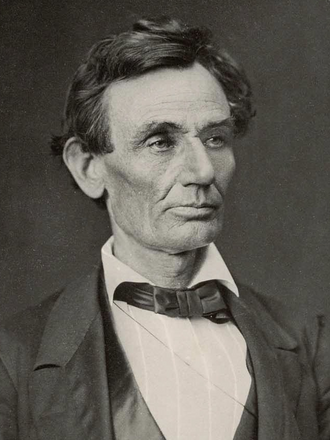
Abraham Lincoln won the 1860 election on a platform of halting the expansion of slavery, which prompted immediate Southern responses[6]. Shortly after the election, slave states began seceding to form the Confederacy, with South Carolina being the first to secede in December …
📍Charleston, South Carolina, SC
👤Slavery & emancipation
Read more about this entry
Abraham Lincoln won the 1860 election on a platform of halting the expansion of slavery, which prompted immediate Southern responses[6]. Shortly after the election, slave states began seceding to form the Confederacy, with South Carolina being the first to secede in December 1860[6]. This chain of events directly led to the Civil War beginning when Confederate forces attacked Fort Sumter, marking the culmination of decades of conflict over slavery expansion.
Abraham Lincoln won the 1860 presidential election on a platform of halting the expansion of slavery, which directly triggered slave states to secede from the Union. The election result demonstrated growing Northern opposition to slavery expansion and convinced Southern states that their …
📍Washington, DC, US
👤LaborSlavery & emancipation
Read more about this entry
Abraham Lincoln won the 1860 presidential election on a platform of halting the expansion of slavery, which directly triggered slave states to secede from the Union. The election result demonstrated growing Northern opposition to slavery expansion and convinced Southern states that their political power was threatened. Shortly after Lincoln's election, Confederate forces attacked U.S. forces, beginning the Civil War.
Following Lincoln's election, seven Southern slave states seceded to form the Confederate States of America, dedicated to preserving slavery and racial hierarchy. The Confederacy established its constitution and government in Montgomery, Alabama, explicitly protecting slavery as a cornerstone of its economy and …
📍Montgomery, Alabama, AL
👤Slavery & emancipation
Read more about this entry
Following Lincoln's election, seven Southern slave states seceded to form the Confederate States of America, dedicated to preserving slavery and racial hierarchy. The Confederacy established its constitution and government in Montgomery, Alabama, explicitly protecting slavery as a cornerstone of its economy and society. This act of secession directly led to the Civil War's outbreak.
Abraham Lincoln won the 1860 presidential election on a platform of halting the expansion of slavery into new territories. His victory prompted slave states to secede from the Union, forming the Confederacy. The election marked a decisive turning point in the national …
📍Washington, D.C., DC
👤LaborSlavery & emancipation
Read more about this entry
Abraham Lincoln won the 1860 presidential election on a platform of halting the expansion of slavery into new territories. His victory prompted slave states to secede from the Union, forming the Confederacy. The election marked a decisive turning point in the national conflict over slavery, leading directly to the Civil War's outbreak.