The 13th Amendment to the U.S. Constitution, ratified December 6, 1865, abolished slavery and involuntary servitude, except as punishment for a crime. It overturned the Dred Scott decision and the Three-Fifths Clause, granting formal legal freedom to over 4 million enslaved Black …
The 13th Amendment to the U.S. Constitution, ratified December 6, 1865, abolished slavery and involuntary servitude, except as punishment for a crime. It overturned the Dred Scott decision and the Three-Fifths Clause, granting formal legal freedom to over 4 million enslaved Black people. The 'except... punishment' clause later enabled convict leasing and prison labor systems that disproportionately targeted Black Americans.
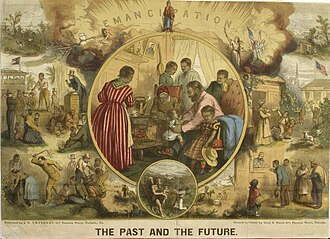
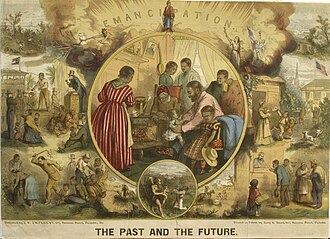
President Abraham Lincoln signed the Emancipation Proclamation on January 1, 1863, declaring that all enslaved people in Confederate states 'henceforth shall be free.' This executive order shifted the Civil War's purpose to include ending slavery and paved the way for the 13th …
📍Washington, D.C., DC
👤Slavery & emancipation
Read more about this entry
President Abraham Lincoln signed the Emancipation Proclamation on January 1, 1863, declaring that all enslaved people in Confederate states 'henceforth shall be free.' This executive order shifted the Civil War's purpose to include ending slavery and paved the way for the 13th Amendment.
President Abraham Lincoln issued the Emancipation Proclamation, proclaiming freedom for enslaved African Americans in Confederate states. While it did not end slavery nationwide, it transformed the Civil War into a fight against slavery and paved the way for the 13th Amendment[4]. The …
📍Washington, D.C., DC
👤African AmericanSlavery & emancipation
Read more about this entry
President Abraham Lincoln issued the Emancipation Proclamation, proclaiming freedom for enslaved African Americans in Confederate states. While it did not end slavery nationwide, it transformed the Civil War into a fight against slavery and paved the way for the 13th Amendment[4]. The proclamation marked a pivotal shift in federal policy toward racial equality.
Abraham Lincoln won the 1860 presidential election on a platform of halting the expansion of slavery into new territories. His victory prompted slave states to secede from the Union, forming the Confederacy. The election marked a decisive turning point in the national …
📍Washington, D.C., DC
👤LaborSlavery & emancipation
Read more about this entry
Abraham Lincoln won the 1860 presidential election on a platform of halting the expansion of slavery into new territories. His victory prompted slave states to secede from the Union, forming the Confederacy. The election marked a decisive turning point in the national conflict over slavery, leading directly to the Civil War's outbreak.