1836
Congressional Gag Rule
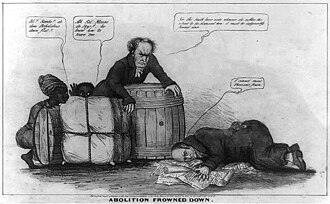
In 1836, the U.S. Congress adopted the 'gag rule,' which automatically tabled all petitions regarding slavery, preventing their discussion or debate in the House of Representatives[1]. This policy effectively silenced abolitionist efforts in Congress and protected the institution of slavery from legislative …
Washington, DC, DC
Slavery & emancipation
Read more about this entry
In 1836, the U.S. Congress adopted the 'gag rule,' which automatically tabled all petitions regarding slavery, preventing their discussion or debate in the House of Representatives[1]. This policy effectively silenced abolitionist efforts in Congress and protected the institution of slavery from legislative challenge[1]. The gag rule remained in place until 1844, when it was repealed following years of resistance by abolitionists like John Quincy Adams.