Ratified on July 9, 1868, the Fourteenth Amendment extended U.S. citizenship to all natural-born residents, including formerly enslaved African Americans, and guaranteed due process and equal protection under the law. It temporarily barred former Confederates from holding public office and became the …
📍Washington, DC, DC
👤African AmericanCivil rights movementSlavery & emancipation
Read more about this entry
Ratified on July 9, 1868, the Fourteenth Amendment extended U.S. citizenship to all natural-born residents, including formerly enslaved African Americans, and guaranteed due process and equal protection under the law. It temporarily barred former Confederates from holding public office and became the basis for countless civil rights rulings. The amendment remains the primary constitutional tool for challenging racial discrimination.
Congress passed the Reconstruction Acts of 1867 over President Johnson's veto, dividing the South into five military districts and requiring states to ratify the Fourteenth Amendment and grant Black male suffrage for readmission to the Union. These acts imposed federal military rule …
📍Washington, DC, DC
👤African AmericanLaborVoting rights
Read more about this entry
Congress passed the Reconstruction Acts of 1867 over President Johnson's veto, dividing the South into five military districts and requiring states to ratify the Fourteenth Amendment and grant Black male suffrage for readmission to the Union. These acts imposed federal military rule to protect Black rights and enforce new state constitutions. They marked a shift toward Radical Reconstruction and federal intervention in Southern governance.
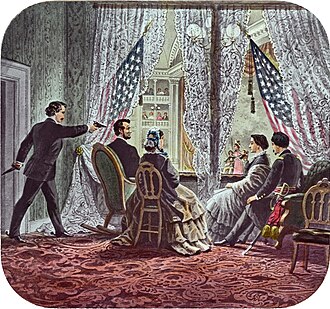
President Abraham Lincoln was assassinated on April 14, 1865, by John Wilkes Booth just days after the Civil War ended.[2][8] His death removed a leader committed to a more moderate Reconstruction plan and allowed more radical segregationist policies to gain traction under …
📍Washington, DC, DC
👤Jim CrowRacial violence
Read more about this entry
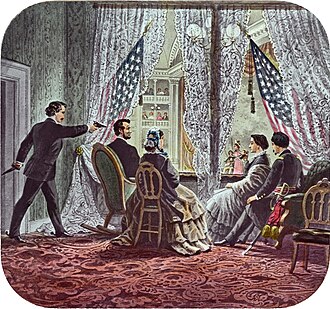
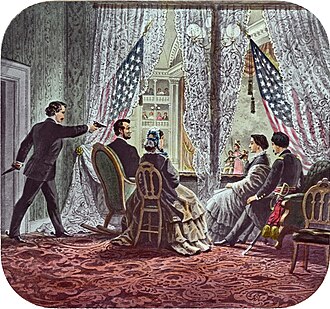
President Abraham Lincoln was assassinated on April 14, 1865, by John Wilkes Booth just days after the Civil War ended.[2][8] His death removed a leader committed to a more moderate Reconstruction plan and allowed more radical segregationist policies to gain traction under Acting President Andrew Johnson.[2]
The 13th Amendment, ratified on December 6, 1865, abolished slavery and involuntary servitude in the United States, except as punishment for a crime. It was the first of the Reconstruction Amendments and legally ended chattel slavery nationwide. This landmark legislation fulfilled a …
📍Washington, DC, DC
👤Slavery & emancipation
Read more about this entry
The 13th Amendment, ratified on December 6, 1865, abolished slavery and involuntary servitude in the United States, except as punishment for a crime. It was the first of the Reconstruction Amendments and legally ended chattel slavery nationwide. This landmark legislation fulfilled a central goal of the abolition movement.
The Thirteenth Amendment to the U.S. Constitution was passed by Congress, outlawing slavery and involuntary servitude except as punishment for crime [9]. This amendment formally ended the legal institution of chattel slavery that had defined American racial hierarchy for centuries [1]. It …
📍Washington, DC, DC
👤African AmericanSlavery & emancipation
Read more about this entry
The Thirteenth Amendment to the U.S. Constitution was passed by Congress, outlawing slavery and involuntary servitude except as punishment for crime [9]. This amendment formally ended the legal institution of chattel slavery that had defined American racial hierarchy for centuries [1]. It was the first of the Reconstruction Amendments, establishing the constitutional foundation for Black freedom and citizenship rights.
President Abraham Lincoln was assassinated on April 14, 1865, by John Wilkes Booth at Ford's Theatre, dying the following day. His death removed a leader who had advocated for gradual reconciliation and potentially moderate Reconstruction policies, leading to the more radical and …
📍Washington, DC, DC
👤African AmericanCivil rights movementRacial violence
Read more about this entry
President Abraham Lincoln was assassinated on April 14, 1865, by John Wilkes Booth at Ford's Theatre, dying the following day. His death removed a leader who had advocated for gradual reconciliation and potentially moderate Reconstruction policies, leading to the more radical and ultimately unsustainable policies under Andrew Johnson. This event profoundly altered the trajectory of Reconstruction and Black civil rights.
President Andrew Johnson issued executive orders in late 1865 that reversed Sherman’s Field Order No. 15, returning most confiscated land to former Confederate owners despite promises to freedpeople. This policy decision undermined economic justice for Black Americans and signaled federal abandonment of …
📍Washington, DC, DC
👤African AmericanLand & treaties
Read more about this entry
President Andrew Johnson issued executive orders in late 1865 that reversed Sherman’s Field Order No. 15, returning most confiscated land to former Confederate owners despite promises to freedpeople. This policy decision undermined economic justice for Black Americans and signaled federal abandonment of Reconstruction ideals. Johnson’s actions aligned with Southern elites and accelerated the rise of Black Codes.
President Abraham Lincoln was assassinated by John Wilkes Booth on April 14, 1865, at Ford’s Theater in Washington, DC, just six days after General Lee’s surrender. His death removed a leader who had advocated for gradual Reconstruction with some protections for freedpeople, …
📍Washington, DC, DC
👤Racial violence
Read more about this entry
President Abraham Lincoln was assassinated by John Wilkes Booth on April 14, 1865, at Ford’s Theater in Washington, DC, just six days after General Lee’s surrender. His death removed a leader who had advocated for gradual Reconstruction with some protections for freedpeople, and his successor Andrew Johnson pursued a more lenient policy toward the South. The assassination intensified racial and political tensions during the early Reconstruction period.
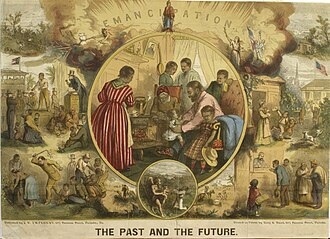
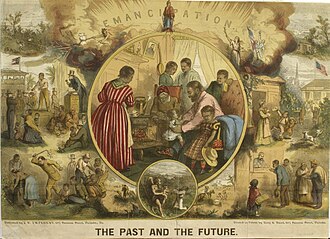
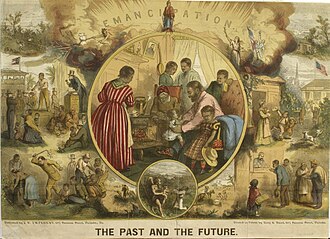
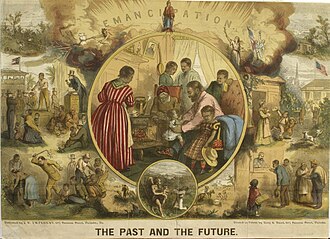
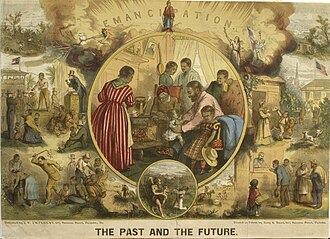
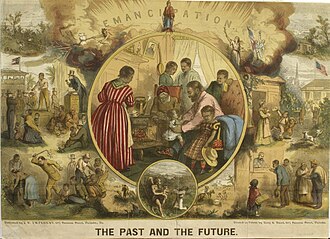
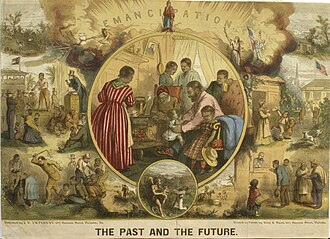
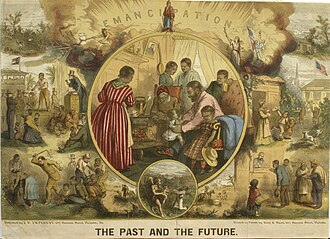
President Abraham Lincoln signs the Emancipation Proclamation on January 1, 1863, declaring that all enslaved people in Confederate states 'henceforth shall be free.' The order applies to approximately 3.5 million enslaved Africans in rebelling territories, though it does not immediately free those …
📍Washington, DC, US
👤LaborSlavery & emancipation
Read more about this entry
President Abraham Lincoln signs the Emancipation Proclamation on January 1, 1863, declaring that all enslaved people in Confederate states 'henceforth shall be free.' The order applies to approximately 3.5 million enslaved Africans in rebelling territories, though it does not immediately free those in Union-held areas or states that had not joined the Confederacy[6][7].
President Abraham Lincoln issued the Emancipation Proclamation, declaring all enslaved people in Confederate states to be free as Union armies advanced. This executive order transformed the Civil War into a fight against slavery and paved the way for the Thirteenth Amendment. It …
📍Washington, DC, DC
👤LaborSlavery & emancipation
Read more about this entry
President Abraham Lincoln issued the Emancipation Proclamation, declaring all enslaved people in Confederate states to be free as Union armies advanced. This executive order transformed the Civil War into a fight against slavery and paved the way for the Thirteenth Amendment. It marked the first major federal action toward ending chattel slavery in the United States.
President Abraham Lincoln issued the Emancipation Proclamation, declaring that all enslaved persons in Confederate states 'shall be then, thenceforward, and forever free.' While it did not end slavery everywhere immediately, it transformed the Civil War into a fight against slavery and paved …
📍Washington, DC, DC
👤African AmericanLaborSlavery & emancipation
Read more about this entry
President Abraham Lincoln issued the Emancipation Proclamation, declaring that all enslaved persons in Confederate states 'shall be then, thenceforward, and forever free.' While it did not end slavery everywhere immediately, it transformed the Civil War into a fight against slavery and paved the way for the 13th Amendment. Over 200,000 Black men later joined the Union Army and Navy.
President Abraham Lincoln issued the Emancipation Proclamation on January 1, 1863, declaring that all enslaved people in Confederate states 'henceforth shall be free.' The proclamation fundamentally altered the Civil War's purpose by linking Union victory to emancipation and enabled Black men to …
📍Washington, DC, DC
👤African AmericanLaborSlavery & emancipation
Read more about this entry
President Abraham Lincoln issued the Emancipation Proclamation on January 1, 1863, declaring that all enslaved people in Confederate states 'henceforth shall be free.' The proclamation fundamentally altered the Civil War's purpose by linking Union victory to emancipation and enabled Black men to join the U.S. military.
President Abraham Lincoln signed the Emancipation Proclamation on January 1, 1863, declaring that all enslaved people in Confederate states 'henceforth shall be free.' The proclamation authorized the enlistment of Black troops and shifted the Civil War's focus to include the abolition of …
📍Washington, DC, DC
👤African AmericanLaborSlavery & emancipation
Read more about this entry
President Abraham Lincoln signed the Emancipation Proclamation on January 1, 1863, declaring that all enslaved people in Confederate states 'henceforth shall be free.' The proclamation authorized the enlistment of Black troops and shifted the Civil War's focus to include the abolition of slavery. It freed slaves only in states in rebellion, not in Union-held territories or states.
President Abraham Lincoln issued the Emancipation Proclamation on January 1, 1863, declaring all enslaved people in Confederate states to be free. This executive order transformed the Civil War into a fight against slavery and paved the way for the 13th Amendment. It …
📍Washington, DC, DC
👤Slavery & emancipation
Read more about this entry
President Abraham Lincoln issued the Emancipation Proclamation on January 1, 1863, declaring all enslaved people in Confederate states to be free. This executive order transformed the Civil War into a fight against slavery and paved the way for the 13th Amendment. It marked the first major federal policy shift toward racial equality in the United States.
President Abraham Lincoln signed the Emancipation Proclamation on January 1, 1863, declaring that enslaved people in Confederate states 'henceforth shall be free.' This executive order shifted the Civil War's purpose to include the abolition of slavery and authorized the recruitment of Black …
📍Washington, DC, DC
👤African AmericanLaborSlavery & emancipation
Read more about this entry
President Abraham Lincoln signed the Emancipation Proclamation on January 1, 1863, declaring that enslaved people in Confederate states 'henceforth shall be free.' This executive order shifted the Civil War's purpose to include the abolition of slavery and authorized the recruitment of Black soldiers into the Union Army. It did not immediately free all enslaved people but set the legal and moral framework for total emancipation.
President Abraham Lincoln issued the Emancipation Proclamation on January 1, 1863, declaring all enslaved people in Confederate states to be free. This executive order transformed the Civil War into a fight against slavery and authorized the recruitment of Black soldiers into the …
📍Washington, DC, DC
👤African AmericanLaborSlavery & emancipation
Read more about this entry
President Abraham Lincoln issued the Emancipation Proclamation on January 1, 1863, declaring all enslaved people in Confederate states to be free. This executive order transformed the Civil War into a fight against slavery and authorized the recruitment of Black soldiers into the Union Army. It applied to approximately 3 million enslaved people in rebelling territories, though it did not immediately free those in Union-held areas.
President Abraham Lincoln issued the Emancipation Proclamation on January 1, 1863, declaring all enslaved people in Confederate-held territory to be free. While it did not immediately end slavery everywhere, it transformed the Civil War into a fight against slavery and enabled 178,000 …
📍Washington, DC, DC
👤African AmericanLaborSlavery & emancipation
Read more about this entry
President Abraham Lincoln issued the Emancipation Proclamation on January 1, 1863, declaring all enslaved people in Confederate-held territory to be free. While it did not immediately end slavery everywhere, it transformed the Civil War into a fight against slavery and enabled 178,000 African Americans to serve in the Union Army[9]. The proclamation was a landmark policy victory that shifted federal stance on racial equality during wartime[9].
President Abraham Lincoln issued the Emancipation Proclamation on January 1, 1863, declaring all enslaved people in Confederate states to be free. This executive order transformed the Civil War into a fight against slavery and authorized the recruitment of Black soldiers into the …
📍Washington, DC, DC
👤African AmericanLaborSlavery & emancipation
Read more about this entry
President Abraham Lincoln issued the Emancipation Proclamation on January 1, 1863, declaring all enslaved people in Confederate states to be free. This executive order transformed the Civil War into a fight against slavery and authorized the recruitment of Black soldiers into the Union Army. It did not immediately free all enslaved people but was a decisive moral and legal step toward total emancipation.
Abraham Lincoln won the 1860 presidential election on a platform of halting the expansion of slavery, which directly triggered slave states to secede from the Union. The election result demonstrated growing Northern opposition to slavery expansion and convinced Southern states that their …
📍Washington, DC, US
👤LaborSlavery & emancipation
Read more about this entry
Abraham Lincoln won the 1860 presidential election on a platform of halting the expansion of slavery, which directly triggered slave states to secede from the Union. The election result demonstrated growing Northern opposition to slavery expansion and convinced Southern states that their political power was threatened. Shortly after Lincoln's election, Confederate forces attacked U.S. forces, beginning the Civil War.