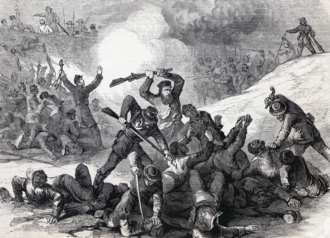
On April 12, 1864, during the American Civil War, Confederate soldiers slaughtered surrendering African American Federal troops stationed at Fort Pillow, Tennessee. The massacre was a direct result of racial hatred and the Confederate policy of treating Black soldiers as criminals rather …
📍Fort Pillow, Tennessee, TN
👤African AmericanRacial violence
Read more about this entry
On April 12, 1864, during the American Civil War, Confederate soldiers slaughtered surrendering African American Federal troops stationed at Fort Pillow, Tennessee. The massacre was a direct result of racial hatred and the Confederate policy of treating Black soldiers as criminals rather than legitimate combatants. This event stands as one of the most notorious incidents of racial violence during the Civil War.
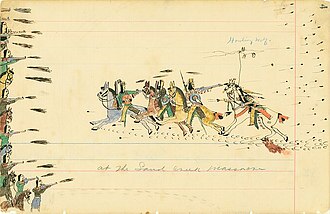
On November 29, 1864, the Third Colorado Cavalry of the U.S. Army attacked a camp of Cheyenne and Arapaho people seeking Army protection, killing and mutilating as many as 600 Native Americans. About two-thirds of the victims were women and children. The …
📍Southeastern Colorado Territory, CO
👤IndigenousRacial violence
Read more about this entry
On November 29, 1864, the Third Colorado Cavalry of the U.S. Army attacked a camp of Cheyenne and Arapaho people seeking Army protection, killing and mutilating as many as 600 Native Americans. About two-thirds of the victims were women and children. The massacre is also known as the Chivington massacre or the Battle of Sand Creek.
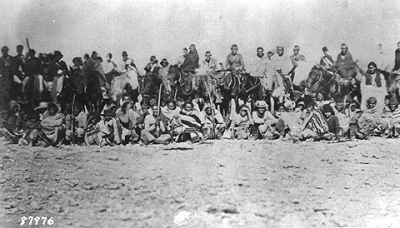
U.S. forces forcibly marched Navajo (Diné) people hundreds of miles to Bosque Redondo internment, causing immense death and suffering before survivors returned under the 1868 treaty.
U.S. forces forcibly marched Navajo (Diné) people hundreds of miles to Bosque Redondo internment, causing immense death and suffering before survivors returned under the 1868 treaty.
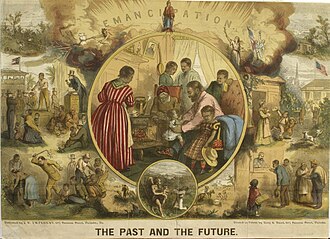
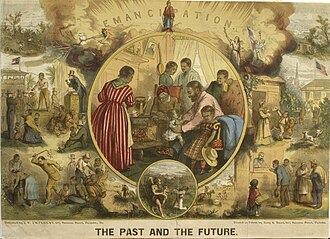
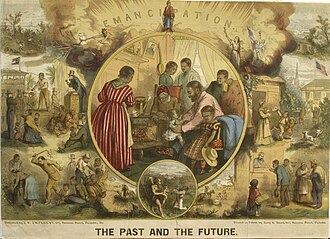
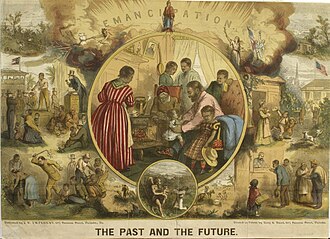
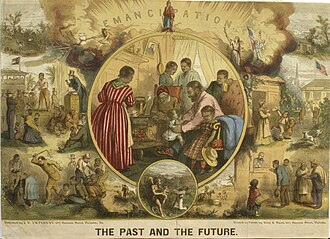
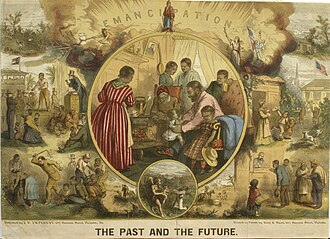
President Abraham Lincoln signs the Emancipation Proclamation on January 1, 1863, declaring that all enslaved people in Confederate states 'henceforth shall be free.' The order applies to approximately 3.5 million enslaved Africans in rebelling territories, though it does not immediately free those …
📍Washington, DC, US
👤LaborSlavery & emancipation
Read more about this entry
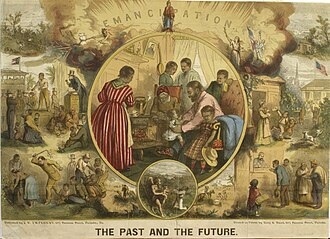
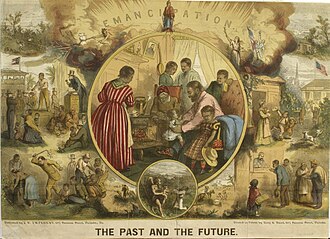
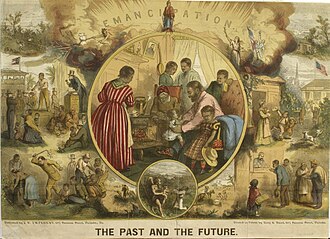
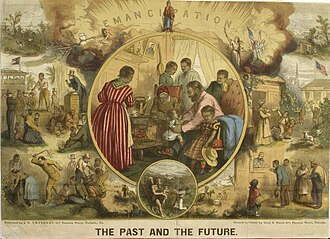
President Abraham Lincoln signs the Emancipation Proclamation on January 1, 1863, declaring that all enslaved people in Confederate states 'henceforth shall be free.' The order applies to approximately 3.5 million enslaved Africans in rebelling territories, though it does not immediately free those in Union-held areas or states that had not joined the Confederacy[6][7].
President Abraham Lincoln issued the Emancipation Proclamation, declaring all enslaved people in Confederate states to be free as Union armies advanced. This executive order transformed the Civil War into a fight against slavery and paved the way for the Thirteenth Amendment. It …
📍Washington, DC, DC
👤LaborSlavery & emancipation
Read more about this entry
President Abraham Lincoln issued the Emancipation Proclamation, declaring all enslaved people in Confederate states to be free as Union armies advanced. This executive order transformed the Civil War into a fight against slavery and paved the way for the Thirteenth Amendment. It marked the first major federal action toward ending chattel slavery in the United States.
President Abraham Lincoln issued the Emancipation Proclamation, declaring that all enslaved persons in Confederate states 'shall be then, thenceforward, and forever free.' While it did not end slavery everywhere immediately, it transformed the Civil War into a fight against slavery and paved …
📍Washington, DC, DC
👤African AmericanLaborSlavery & emancipation
Read more about this entry
President Abraham Lincoln issued the Emancipation Proclamation, declaring that all enslaved persons in Confederate states 'shall be then, thenceforward, and forever free.' While it did not end slavery everywhere immediately, it transformed the Civil War into a fight against slavery and paved the way for the 13th Amendment. Over 200,000 Black men later joined the Union Army and Navy.
President Abraham Lincoln issued the Emancipation Proclamation on January 1, 1863, declaring that all enslaved people in Confederate states 'henceforth shall be free.' The proclamation fundamentally altered the Civil War's purpose by linking Union victory to emancipation and enabled Black men to …
📍Washington, DC, DC
👤African AmericanLaborSlavery & emancipation
Read more about this entry
President Abraham Lincoln issued the Emancipation Proclamation on January 1, 1863, declaring that all enslaved people in Confederate states 'henceforth shall be free.' The proclamation fundamentally altered the Civil War's purpose by linking Union victory to emancipation and enabled Black men to join the U.S. military.
President Abraham Lincoln signed the Emancipation Proclamation on January 1, 1863, declaring that all enslaved people in Confederate states 'henceforth shall be free.' The proclamation authorized the enlistment of Black troops and shifted the Civil War's focus to include the abolition of …
📍Washington, DC, DC
👤African AmericanLaborSlavery & emancipation
Read more about this entry
President Abraham Lincoln signed the Emancipation Proclamation on January 1, 1863, declaring that all enslaved people in Confederate states 'henceforth shall be free.' The proclamation authorized the enlistment of Black troops and shifted the Civil War's focus to include the abolition of slavery. It freed slaves only in states in rebellion, not in Union-held territories or states.
President Abraham Lincoln signed the Emancipation Proclamation on January 1, 1863, declaring that all enslaved people in Confederate states 'henceforth shall be free.' This executive order shifted the Civil War's purpose to include ending slavery and paved the way for the 13th …
📍Washington, D.C., DC
👤Slavery & emancipation
Read more about this entry
President Abraham Lincoln signed the Emancipation Proclamation on January 1, 1863, declaring that all enslaved people in Confederate states 'henceforth shall be free.' This executive order shifted the Civil War's purpose to include ending slavery and paved the way for the 13th Amendment.
President Abraham Lincoln issued the Emancipation Proclamation on January 1, 1863, declaring all enslaved people in Confederate states to be free. This executive order transformed the Civil War into a fight against slavery and paved the way for the 13th Amendment. It …
📍Washington, DC, DC
👤Slavery & emancipation
Read more about this entry
President Abraham Lincoln issued the Emancipation Proclamation on January 1, 1863, declaring all enslaved people in Confederate states to be free. This executive order transformed the Civil War into a fight against slavery and paved the way for the 13th Amendment. It marked the first major federal policy shift toward racial equality in the United States.
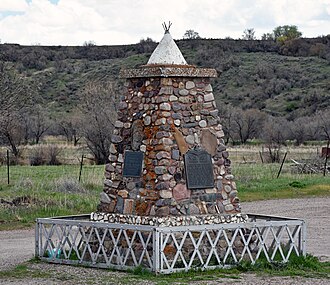
On January 29, 1863, the U.S. Army attacked a Shoshone encampment following years of violent clashes, killing over 200 Indigenous Americans. The attack occurred near Preston in what is now Idaho. This massacre was one of the largest killings of Native Americans …
📍Near Preston, Idaho, ID
👤IndigenousRacial violence
Read more about this entry
On January 29, 1863, the U.S. Army attacked a Shoshone encampment following years of violent clashes, killing over 200 Indigenous Americans. The attack occurred near Preston in what is now Idaho. This massacre was one of the largest killings of Native Americans by the U.S. military in the 19th century.
President Abraham Lincoln signed the Emancipation Proclamation on January 1, 1863, declaring that enslaved people in Confederate states 'henceforth shall be free.' This executive order shifted the Civil War's purpose to include the abolition of slavery and authorized the recruitment of Black …
📍Washington, DC, DC
👤African AmericanLaborSlavery & emancipation
Read more about this entry
President Abraham Lincoln signed the Emancipation Proclamation on January 1, 1863, declaring that enslaved people in Confederate states 'henceforth shall be free.' This executive order shifted the Civil War's purpose to include the abolition of slavery and authorized the recruitment of Black soldiers into the Union Army. It did not immediately free all enslaved people but set the legal and moral framework for total emancipation.
President Abraham Lincoln issued the Emancipation Proclamation, proclaiming freedom for enslaved African Americans in Confederate states. While it did not end slavery nationwide, it transformed the Civil War into a fight against slavery and paved the way for the 13th Amendment[4]. The …
📍Washington, D.C., DC
👤African AmericanSlavery & emancipation
Read more about this entry
President Abraham Lincoln issued the Emancipation Proclamation, proclaiming freedom for enslaved African Americans in Confederate states. While it did not end slavery nationwide, it transformed the Civil War into a fight against slavery and paved the way for the 13th Amendment[4]. The proclamation marked a pivotal shift in federal policy toward racial equality.
President Abraham Lincoln issued the Emancipation Proclamation on January 1, 1863, declaring all enslaved people in Confederate states to be free. This executive order transformed the Civil War into a fight against slavery and authorized the recruitment of Black soldiers into the …
📍Washington, DC, DC
👤African AmericanLaborSlavery & emancipation
Read more about this entry
President Abraham Lincoln issued the Emancipation Proclamation on January 1, 1863, declaring all enslaved people in Confederate states to be free. This executive order transformed the Civil War into a fight against slavery and authorized the recruitment of Black soldiers into the Union Army. It applied to approximately 3 million enslaved people in rebelling territories, though it did not immediately free those in Union-held areas.
President Abraham Lincoln issued the Emancipation Proclamation on January 1, 1863, declaring all enslaved people in Confederate-held territory to be free. While it did not immediately end slavery everywhere, it transformed the Civil War into a fight against slavery and enabled 178,000 …
📍Washington, DC, DC
👤African AmericanLaborSlavery & emancipation
Read more about this entry
President Abraham Lincoln issued the Emancipation Proclamation on January 1, 1863, declaring all enslaved people in Confederate-held territory to be free. While it did not immediately end slavery everywhere, it transformed the Civil War into a fight against slavery and enabled 178,000 African Americans to serve in the Union Army[9]. The proclamation was a landmark policy victory that shifted federal stance on racial equality during wartime[9].
President Abraham Lincoln issued the Emancipation Proclamation on January 1, 1863, declaring all enslaved people in Confederate states to be free. This executive order transformed the Civil War into a fight against slavery and authorized the recruitment of Black soldiers into the …
📍Washington, DC, DC
👤African AmericanLaborSlavery & emancipation
Read more about this entry
President Abraham Lincoln issued the Emancipation Proclamation on January 1, 1863, declaring all enslaved people in Confederate states to be free. This executive order transformed the Civil War into a fight against slavery and authorized the recruitment of Black soldiers into the Union Army. It did not immediately free all enslaved people but was a decisive moral and legal step toward total emancipation.
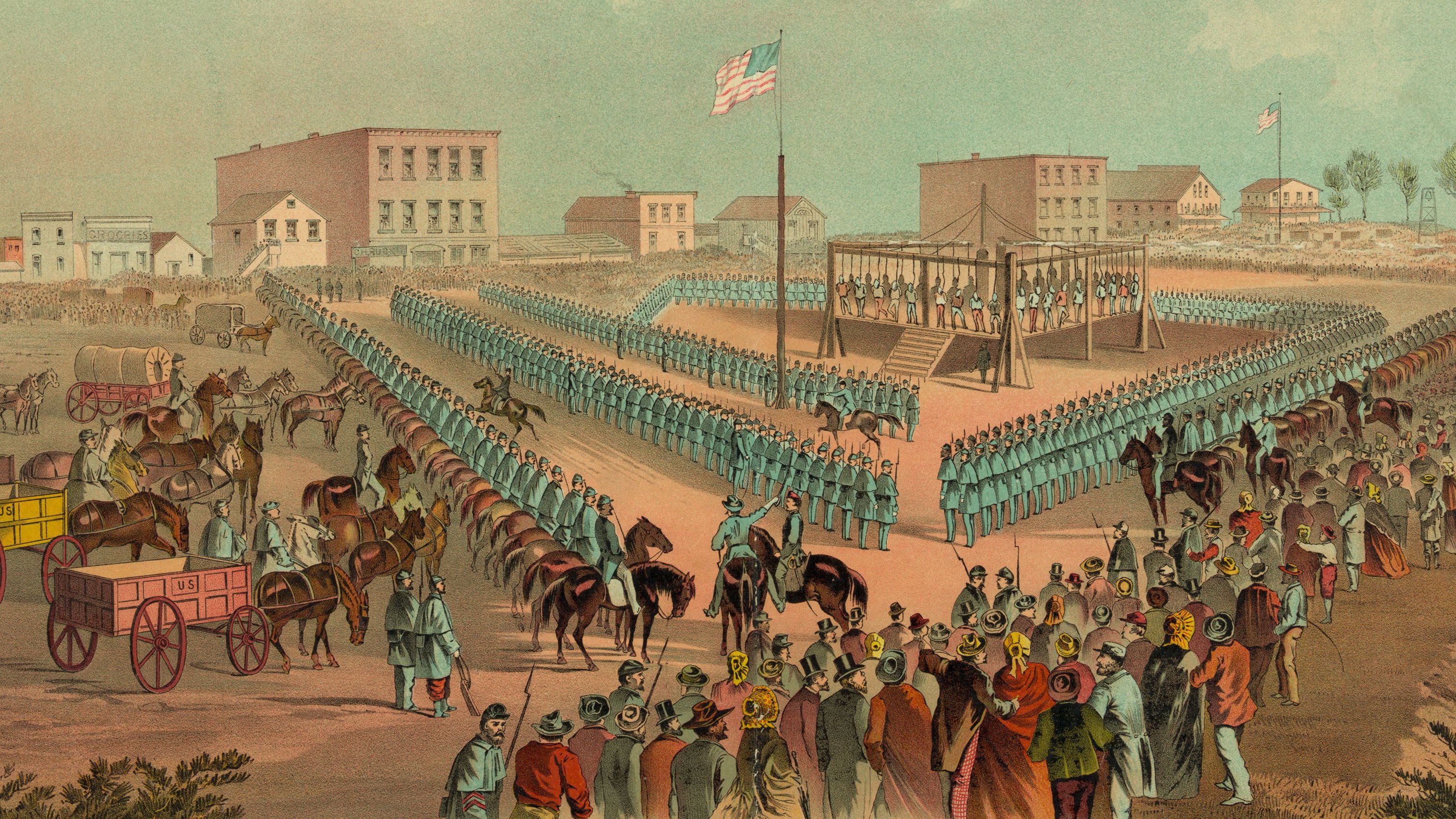
On December 26, 1862, 38 Dakota men were hanged in Mankato, Minnesota, following the U.S.-Dakota War. Authorized by President Abraham Lincoln, this event remains the single largest mass execution in U.S. history. Today, the site is commemorated by the Reconciliation Park in …
📍209 N Riverfront Dr Mankato MN, MN
👤IndigenousRacial violence
Read more about this entry
On December 26, 1862, 38 Dakota men were hanged in Mankato, Minnesota, following the U.S.-Dakota War. Authorized by President Abraham Lincoln, this event remains the single largest mass execution in U.S. history. Today, the site is commemorated by the Reconciliation Park in downtown Mankato.
Abraham Lincoln won the 1860 election on a platform of halting the expansion of slavery, which prompted immediate Southern responses[6]. Shortly after the election, slave states began seceding to form the Confederacy, with South Carolina being the first to secede in December …
📍Charleston, South Carolina, SC
👤Slavery & emancipation
Read more about this entry
Abraham Lincoln won the 1860 election on a platform of halting the expansion of slavery, which prompted immediate Southern responses[6]. Shortly after the election, slave states began seceding to form the Confederacy, with South Carolina being the first to secede in December 1860[6]. This chain of events directly led to the Civil War beginning when Confederate forces attacked Fort Sumter, marking the culmination of decades of conflict over slavery expansion.
Abraham Lincoln won the 1860 presidential election on a platform of halting the expansion of slavery, which directly triggered slave states to secede from the Union. The election result demonstrated growing Northern opposition to slavery expansion and convinced Southern states that their …
📍Washington, DC, US
👤LaborSlavery & emancipation
Read more about this entry
Abraham Lincoln won the 1860 presidential election on a platform of halting the expansion of slavery, which directly triggered slave states to secede from the Union. The election result demonstrated growing Northern opposition to slavery expansion and convinced Southern states that their political power was threatened. Shortly after Lincoln's election, Confederate forces attacked U.S. forces, beginning the Civil War.
Following Lincoln's election, seven Southern slave states seceded to form the Confederate States of America, dedicated to preserving slavery and racial hierarchy. The Confederacy established its constitution and government in Montgomery, Alabama, explicitly protecting slavery as a cornerstone of its economy and …
📍Montgomery, Alabama, AL
👤Slavery & emancipation
Read more about this entry
Following Lincoln's election, seven Southern slave states seceded to form the Confederate States of America, dedicated to preserving slavery and racial hierarchy. The Confederacy established its constitution and government in Montgomery, Alabama, explicitly protecting slavery as a cornerstone of its economy and society. This act of secession directly led to the Civil War's outbreak.
Abraham Lincoln won the 1860 presidential election on a platform of halting the expansion of slavery into new territories. His victory prompted slave states to secede from the Union, forming the Confederacy. The election marked a decisive turning point in the national …
📍Washington, D.C., DC
👤LaborSlavery & emancipation
Read more about this entry
Abraham Lincoln won the 1860 presidential election on a platform of halting the expansion of slavery into new territories. His victory prompted slave states to secede from the Union, forming the Confederacy. The election marked a decisive turning point in the national conflict over slavery, leading directly to the Civil War's outbreak.